Life & Lab · a seasonal scenius · 1888 – 2000
Marine Biological
LaboratoryWoods Hole, Massachusetts
A summer marine lab where biologists from everywhere gather at the bench and the shore — a seasonal scenius of American biology.
IThe station
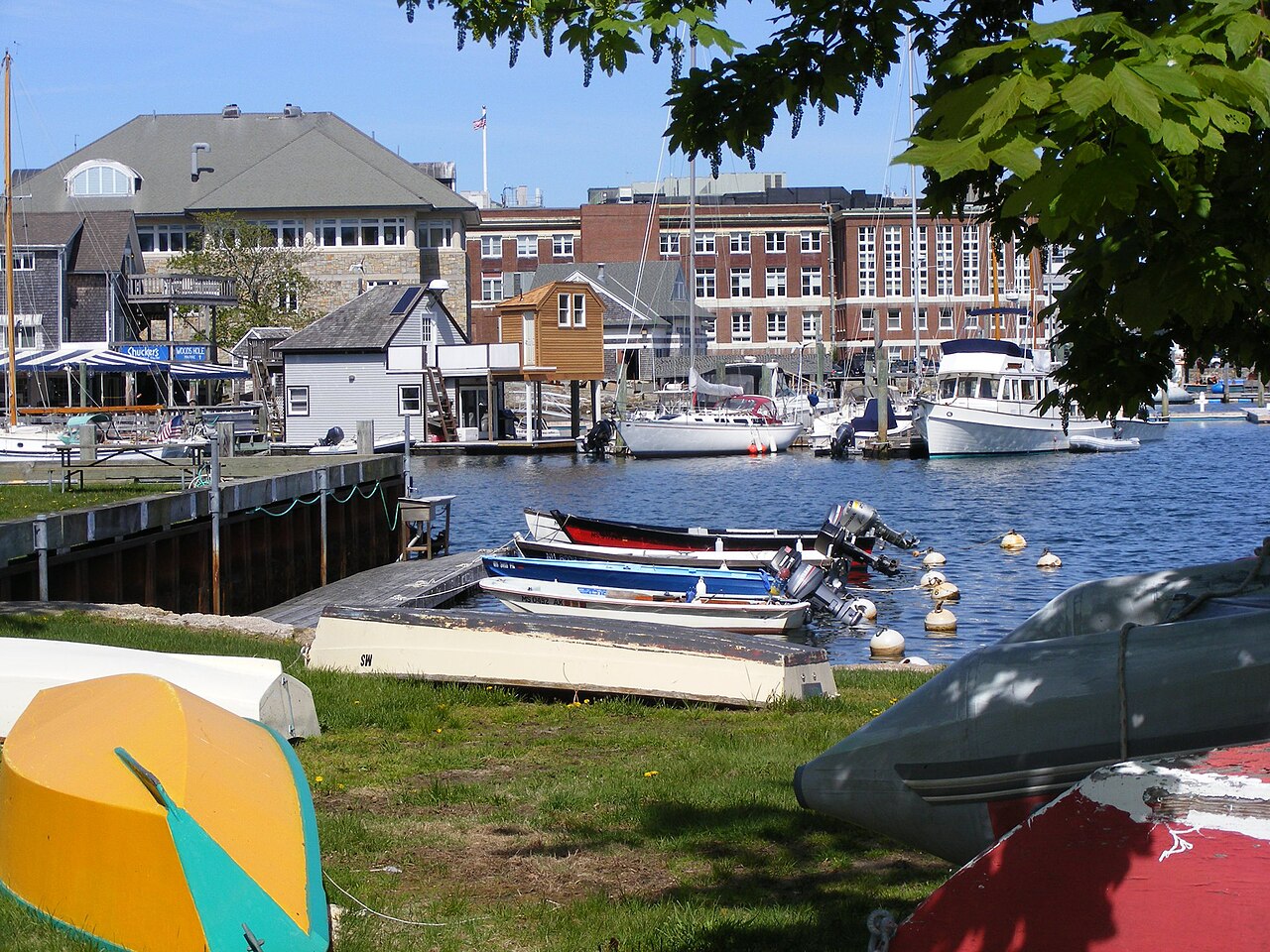
The Marine Biological Laboratory at Woods Hole, founded on Cape Cod in 1888, is a summer gathering place that has functioned as a seasonal scenius of American biology for well over a century.
Each summer, investigators and students from everywhere converge to do research at shared benches, collect from the same shore, and take legendary intensive courses (Physiology, Embryology, Neurobiology) that have trained a huge share of the field's leaders. Marine organisms studied there — the squid giant axon, sea-urchin eggs — underpinned discoveries across neuroscience and cell biology, and dozens of Nobel laureates passed through. Woods Hole shows how a place and a rhythm, not just a permanent staff, can concentrate scientific genius.
- (summer investigators)
- Frank Lillie
- Albert Szent-Györgyi

IIMotifs of the season
- the summer at the shore
- the collecting trip and the model organism
- the shared bench across institutions
- the squid axon and the sea urchin
- open, seasonal community
Mediums
- the summer course
- the collecting trip
- the shared bench
Archetypal layers
- The Laboratory
- The Colony / Commune
IIITwo organisms, drawn from the water
Fig. 1 — the squid giant axon: nerve conduction made big enough to measure.
Fig. 2 — the sea-urchin egg: cell division watched in transparent, abundant material.
IVMemetic forces
- A summer where biologists from everywhere converge at one bench dissolves institutional walls and sparks collaboration.
- Proximity to the sea's model organisms (squid, urchin) made it a unique natural laboratory.
- The seasonal, informal community bred lifelong networks and mentorships.
VUnifying principle
Biology advances fastest when investigators from many institutions gather seasonally at the shore, sharing organisms, benches, and ideas in an open community.
A seasonal, cross-institutional commons rather than a fixed lab; its power is the annual reshuffling that puts strangers at adjacent benches.
VITide table of the engines
Flood — convergent
the annual summer season and courses
proximity to marine model organisms
the shared bench and informal mixing
Ebb — divergent
seasonal impermanence limiting sustained programs
competition from year-round funded institutes
the shift of biology from the shore to the sequencer
VIIThe year, as the station keeps it
Fig. 3 — the rhythm, not the roster: a place that fills and empties each year.
VIIIImpact & signature
Society impact
A century-long crucible of American biology — nerve conduction, cell division, development — and a model of the open, seasonal research community; a string of Nobel work passed through.
Scenius signature
A summer shore-community where the annual mixing of investigators at one bench became an engine of discovery.
Fate
Ongoing and revered, now part of the modern institutional landscape; still a seasonal crossroads of the life sciences.