


.jpg)
Mediums
the electronic studio
the score
the oscillator
Studio für elektronische Musik · Realisationspartitur · Sinuston / Serie / Band
The Cologne studio that built music from pure electronic tones — serialism meets the oscillator, the rival pole to Paris's concrète.
Essence · Studio für elektronische Musik, WDR Köln
The West German Radio (WDR) Studio for Electronic Music, opened in Cologne in 1951, was the rival pole to Paris's musique concrète — building music from pure, synthesized electronic tones rather than recorded sound.
Under Herbert Eimert and then Karlheinz Stockhausen, it married the rigorous serialism of the postwar avant-garde to the oscillator and the tape machine, producing landmarks like Stockhausen's Gesang der Jünglinge that fused electronic and vocal sound.
The Cologne studio's disciplined, laboratory approach shaped how electronic music was composed and understood for a generation, trained an international roster of composers, and stands with the GRM as one of the two founding workshops of all electronic music.
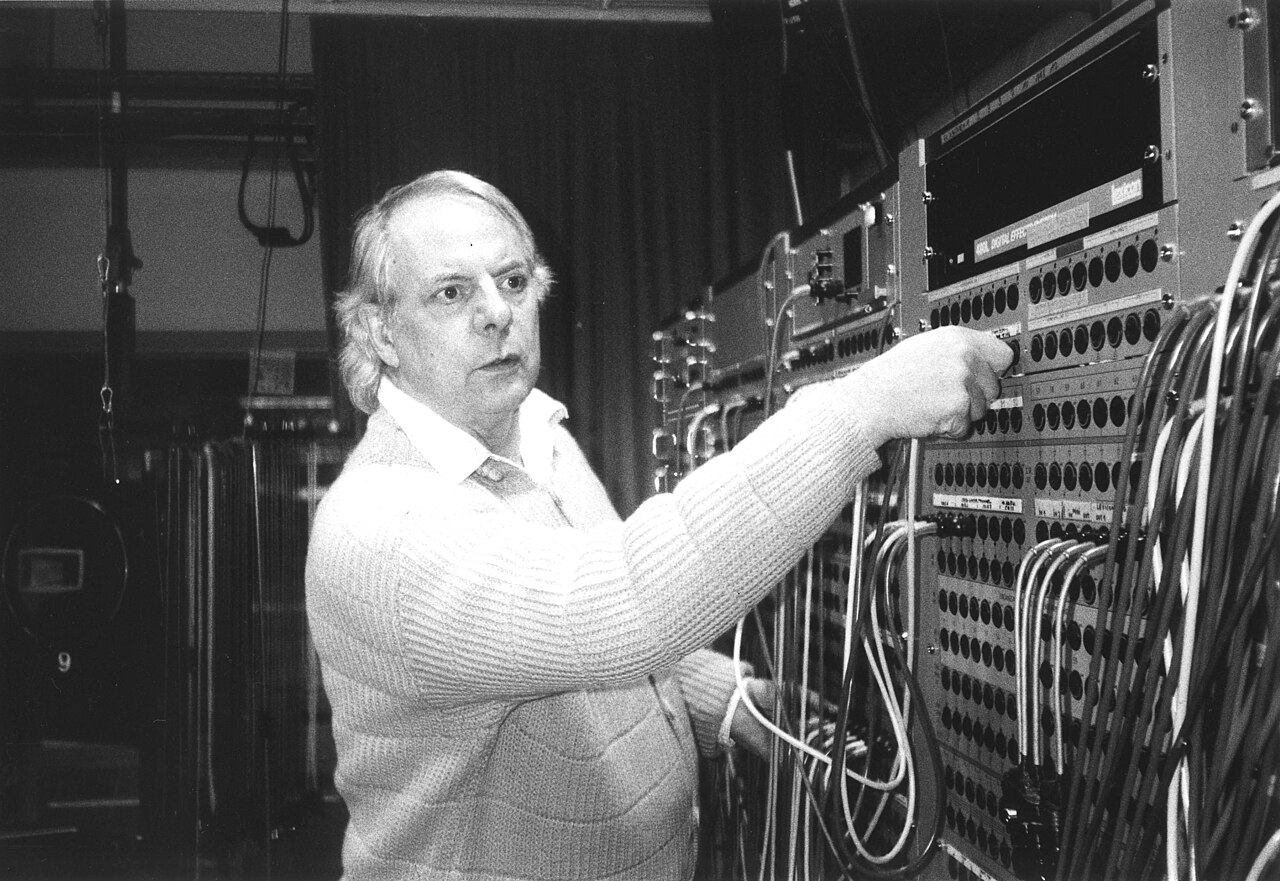

New music should be synthesized from pure electronic elements under total serial control, building sound and structure rationally from the ground up rather than manipulating recordings.
Building sound from first principles (the sine wave up) appealed to a postwar hunger for a clean, rational new start.
Radio-institution funding and Stockhausen's charisma made Cologne a magnet.
The rivalry with Paris framed a heroic quest for the ‘purer’ electronic music.
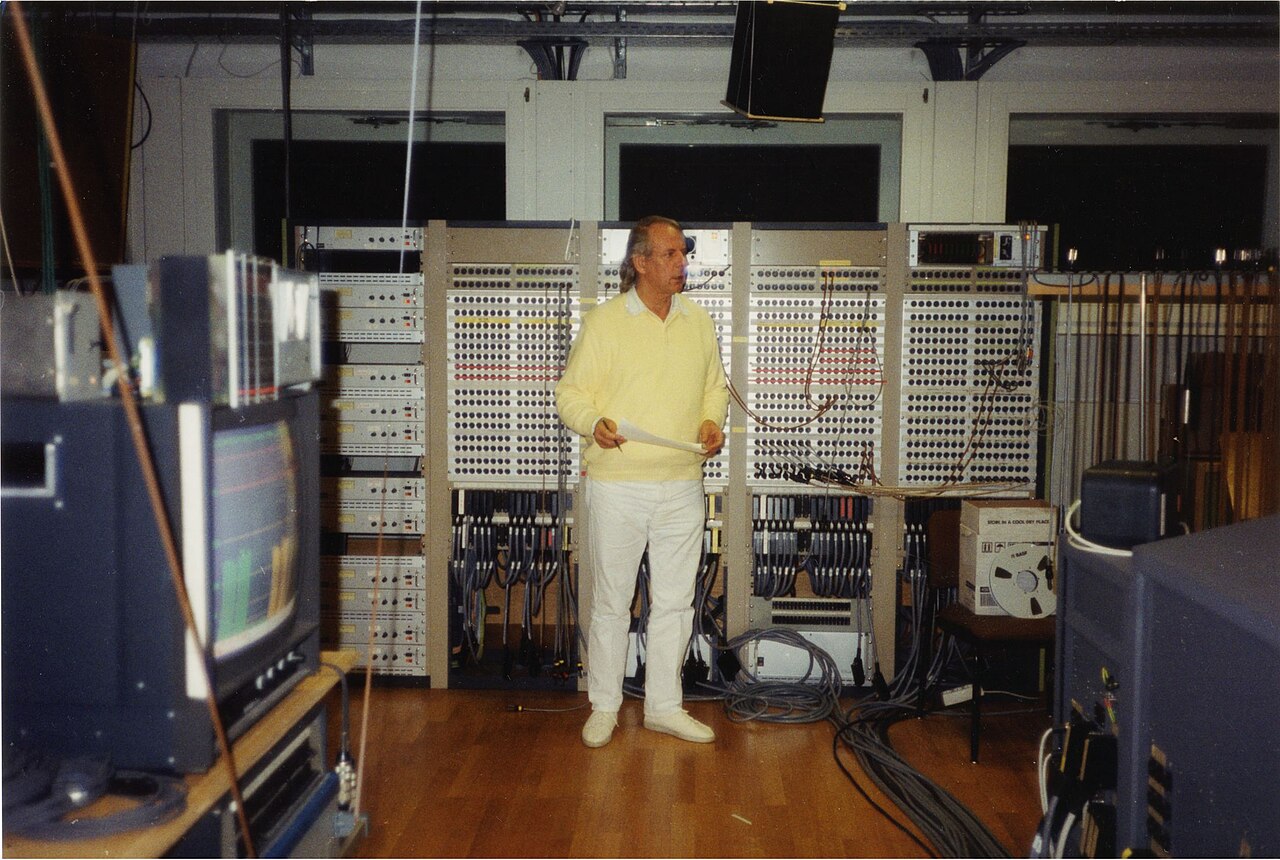
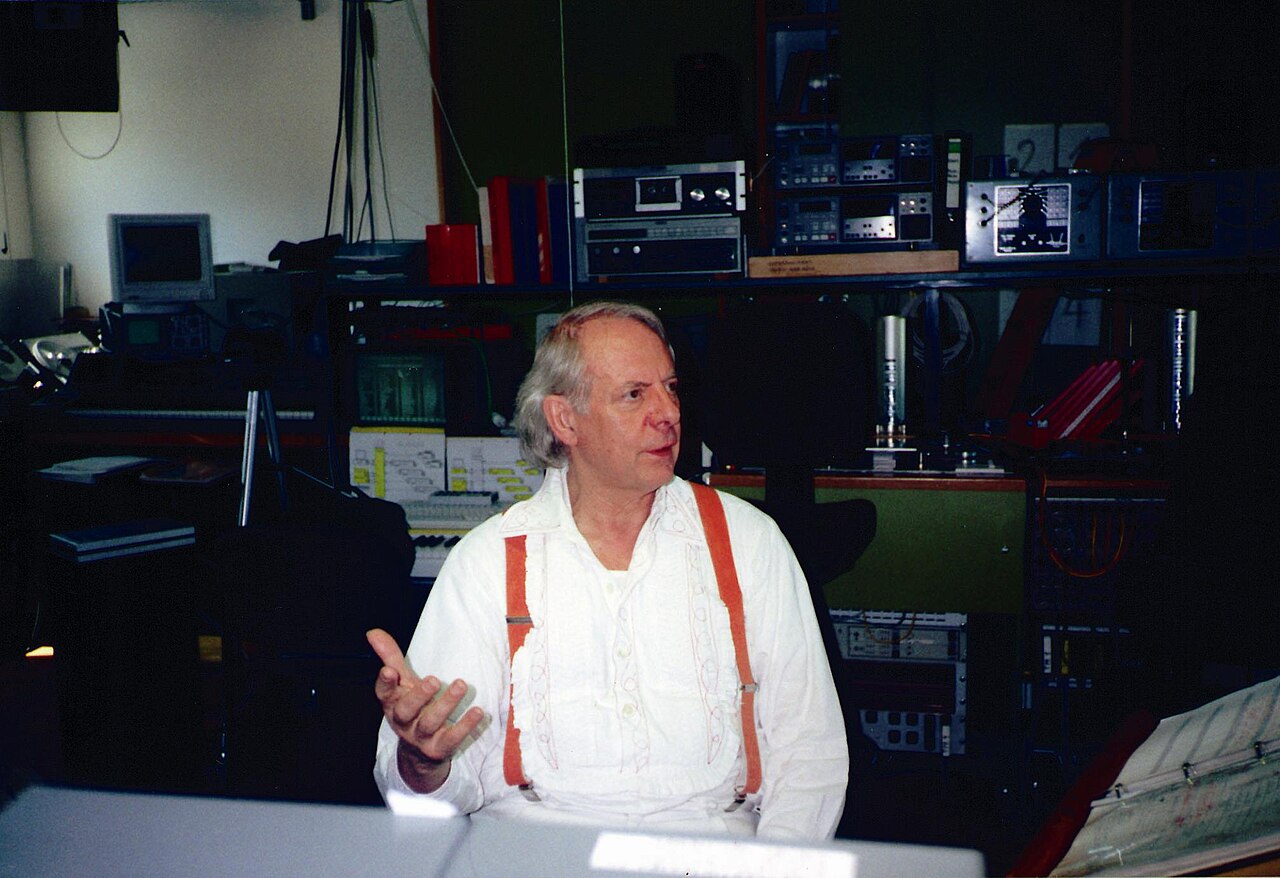
| № | Figure | Function in the studio |
|---|---|---|
| 01 | Herbert Eimert | founder; first director from 1951 |
| 02 | Karlheinz Stockhausen | serial doctrine; direction after Eimert |
| 03 | Gottfried Michael Koenig | studio composer and technical collaborator |
An institutional studio dominated by Stockhausen's vision and serial ideology; disciplined, hierarchical, and defined against the Paris rival.
Founded electronic (as opposed to concrète) music; its synthesis techniques and Stockhausen's influence run straight into Kraftwerk, synth-pop, and the whole electronic tradition.
A studio that tried to build music rationally from the sine wave up, and gave electronic sound its serialist grammar.
Its pure/recorded dogma collapsed into general electronic practice; the studio's methods became the common inheritance of synth music.

Representative, not exhaustive; not independently re-verified against each edition.
