Preamble
Build heaven deliberately, now, in one place
The nineteenth-century American utopian communes were a wave of experimental communities that treated the young republic as a laboratory for redesigning work, property, sex, and family from first principles. Robert Owen's secular New Harmony, the Fourier-inspired phalanxes and Transcendentalist Brook Farm, and John Humphrey Noyes's Oneida Community — with its "complex marriage" and communal industry — each tried to build heaven deliberately, now, in one place.
Most were short-lived, undone by economics, schism, or scandal, yet several pioneered cooperative enterprise, gender experiments, and communal childrearing decades ahead of their time. They form the deep root system that the 1960s New Communalism unknowingly regrew, and the ancestor of today's intentional-communities and cooperative movements.
Three model communities
A menu of engineered futures
Competing blueprints — Owenite, Fourierist, perfectionist — each offering joiners a total, all-or-nothing conversion to a designed way of life.
New Harmony
Owen's village of cooperation
Robert Owen bought an entire Indiana town to prove that character is formed by circumstance — reorganize the circumstances, and cooperation replaces competition. A secular experiment in shared property and rational education.
Indiana · from 1825Brook Farm
The Transcendentalist phalanx
New England's literary reformers joined plain labor to high thought, later reorganizing along Fourier's lines — the phalanx and its doctrine of passionate attraction, where work is arranged to follow desire rather than duty.
Massachusetts · 1841Oneida
Perfectionism & complex marriage
John Humphrey Noyes preached that perfection was attainable now. Oneida practiced "complex marriage," communal childrearing, and a thriving communal industry — the theology faded, but the trap-and-silverware works endured.
New York · 1848Plate I. — Plan of a community of cooperation
Dwelling-ranges frame a central court of public halls; workshops and gardens flank the whole — the model community offered as an argument in bricks and lines.
The one conviction
Unifying principle
Society can be redesigned from first principles by building small model communities that reorganize labor, property, and intimate life to release human cooperation and happiness.
Recurring motifs
Figures of the argument
- ❦The model community as argument
- ❦Redesigning work, property, sex, and family
- ❦Fourier's phalanx and passionate attraction
- ❦Owen's villages of cooperation
- ❦Perfectionism and complex marriage (Oneida)
Memetic forces
Why the idea caught
America's cheap land and open society made "just build the new world now" concretely possible — a frontier where a blueprint could be purchased and paced out.
Each commune was a total, all-or-nothing conversion that bonded members intensely — you did not visit the new world, you moved into it entire.
Rival systems — Owenite, Fourierist, perfectionist — gave joiners a menu of engineered futures, each with its own doctrine, covenant, and promise.
The mechanism
What built them & what broke them
A total institution runs on a founder's blueprint and members' conversion — and founders on the same frictions that first drew them together.
✦Convergent engines — what gathered them
- A founding blueprint — Owen's, Fourier's, Noyes's — a total design for living
- Communal property and shared labor, held against the competitive world
- A charismatic founder and a covenant binding members to the plan
✶Divergent engines — what scattered them
- The friction of actually sharing property, work, and sex
- Founder dependence and the succession crises it invited
- Economic failure and the hostility of the surrounding society
Internal dynamics
Total institutions run on a founder's blueprint and members' conversion; most foundered on the sheer difficulty of communal economics and governance — though Oneida's industry outlasted its theology.
Impact on the world
America's laboratory of alternative living — prototyping cooperatives, feminism, birth control, and communal design; the direct ancestor of 1960s New Communalism.
Scenius signature
Small societies built as living arguments, each betting that redesigning daily life could redesign the world.
The architects
Founders & influences
- I.Robert OwenWelsh industrialist turned reformer; bought New Harmony to prove that better circumstances make better people.
- II.John Humphrey NoyesPerfectionist theologian; founded Oneida, its complex marriage, communal childrearing, and enduring industry.
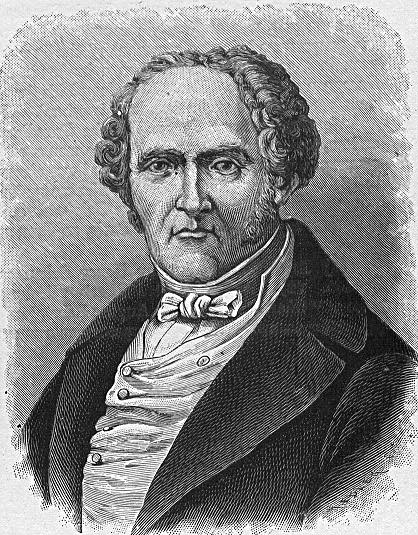
- III.Charles FourierFrench visionary of the phalanx and passionate attraction — the influence behind America's Fourierist phalanxes.
Plate II. — The phalanx theorist
.jpg)
Mediums of the movement
Archetypal layers
Fate
The impulse re-germinates
Nearly all dissolved within a generation — Oneida became a silverware company. Yet the impulse re-germinated a century later in the counterculture commune wave, and the names outlive the settlements.
Plate III. — The name endures
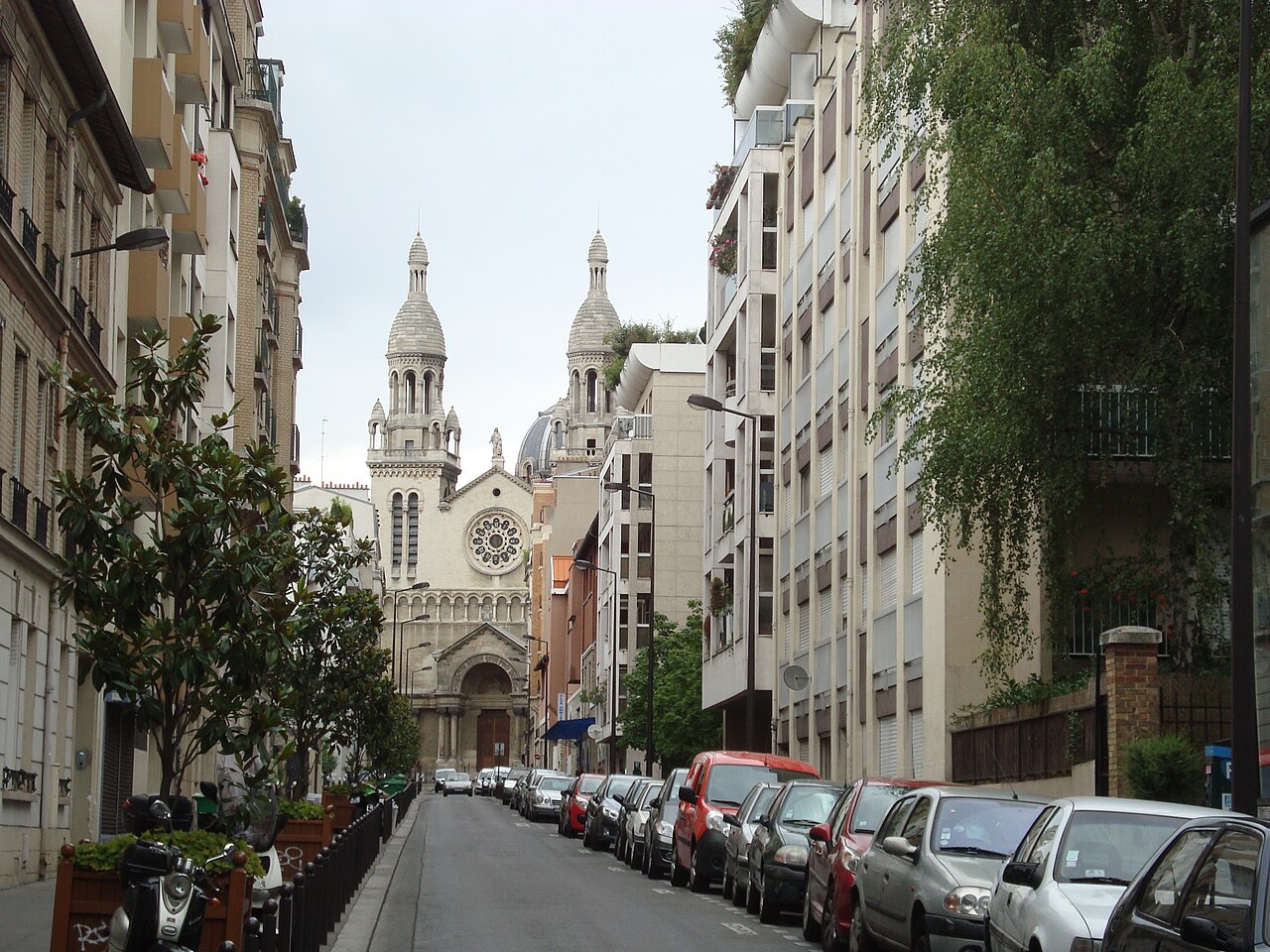

The settlements failed; the argument did not. A century on, the same conviction — that you can redesign the world by first redesigning a single shared life — regrew on new land, under new names.
Keyed to the literature
Representative published sources — not exhaustive, not independently re-verified against each edition.
- Mark Holloway, Heavens on Earth: Utopian Communities in America 1680–1880 (1951).
- Carl J. Guarneri, The Utopian Alternative: Fourierism in Nineteenth-Century America (1991).
- Lawrence Foster, Religion and Sexuality: The Shakers, the Mormons, and the Oneida Community (1981).