Portraits from Life
Taken by the Daguerreotype
❦
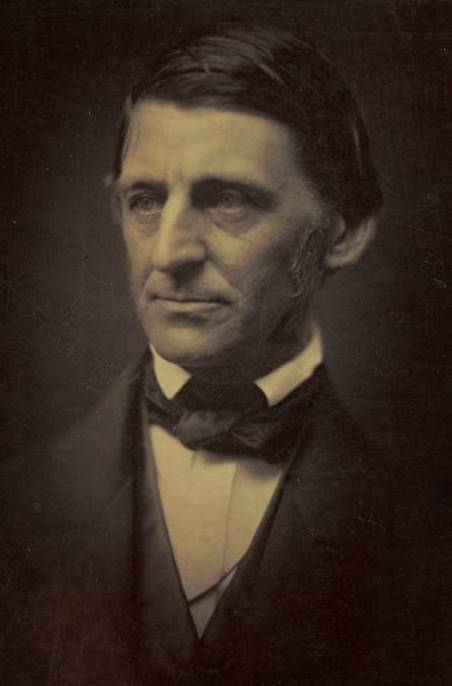

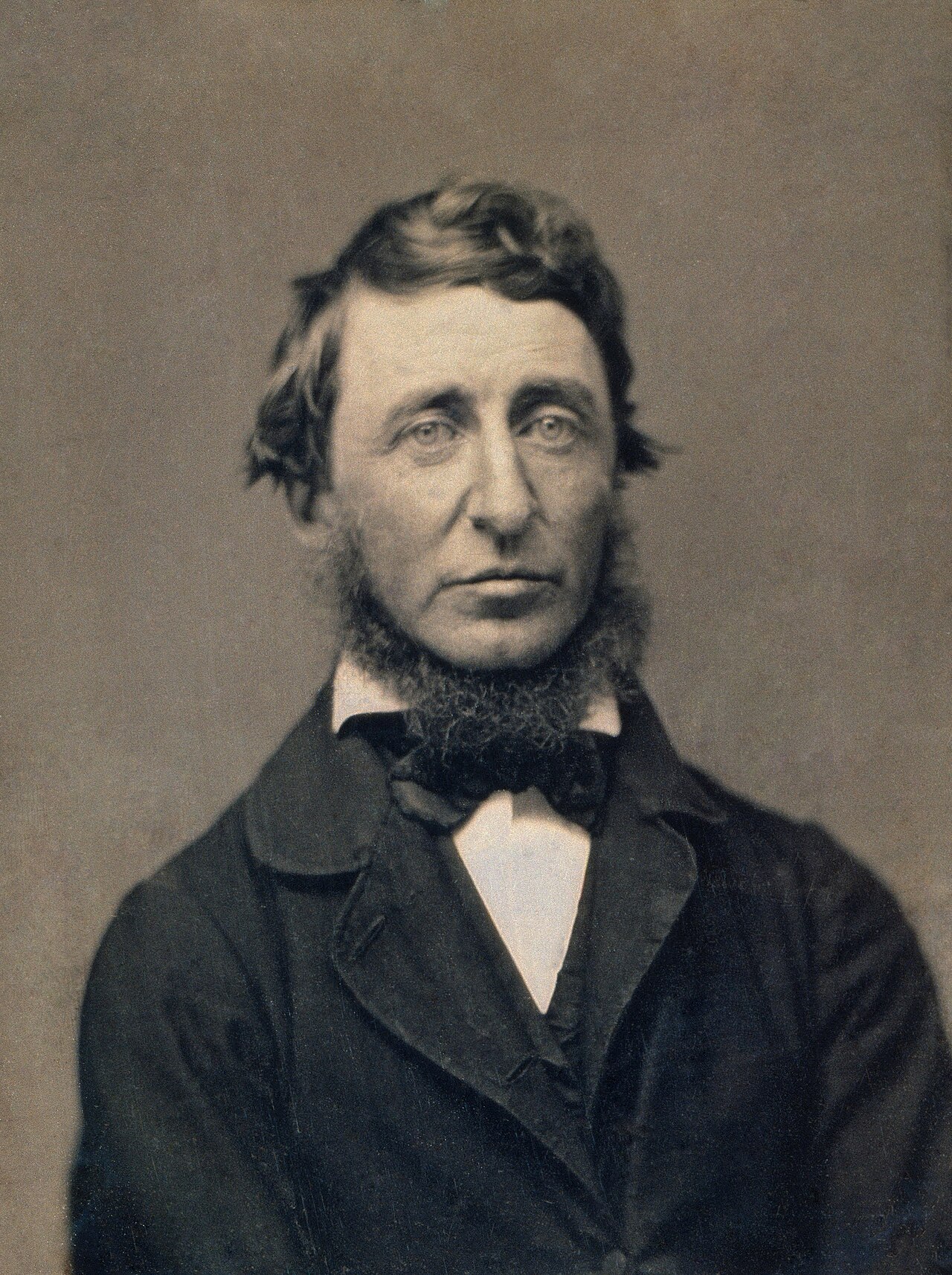

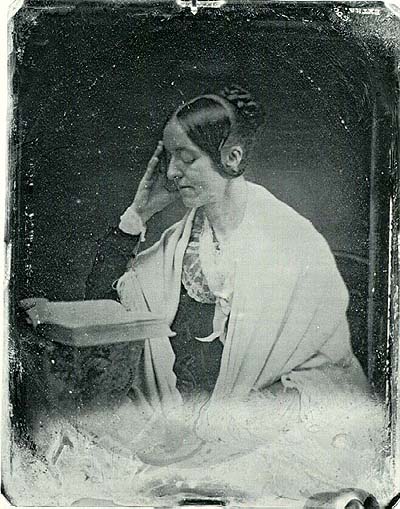

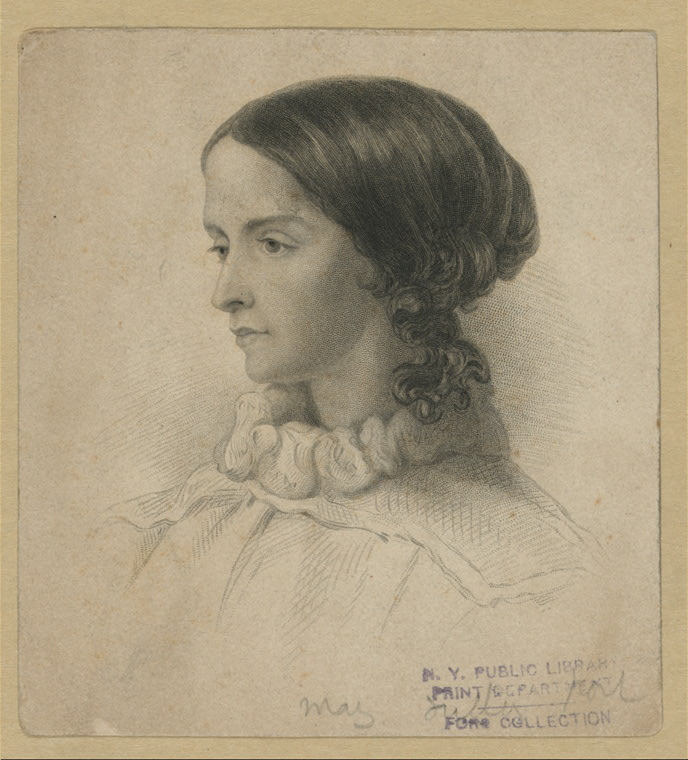

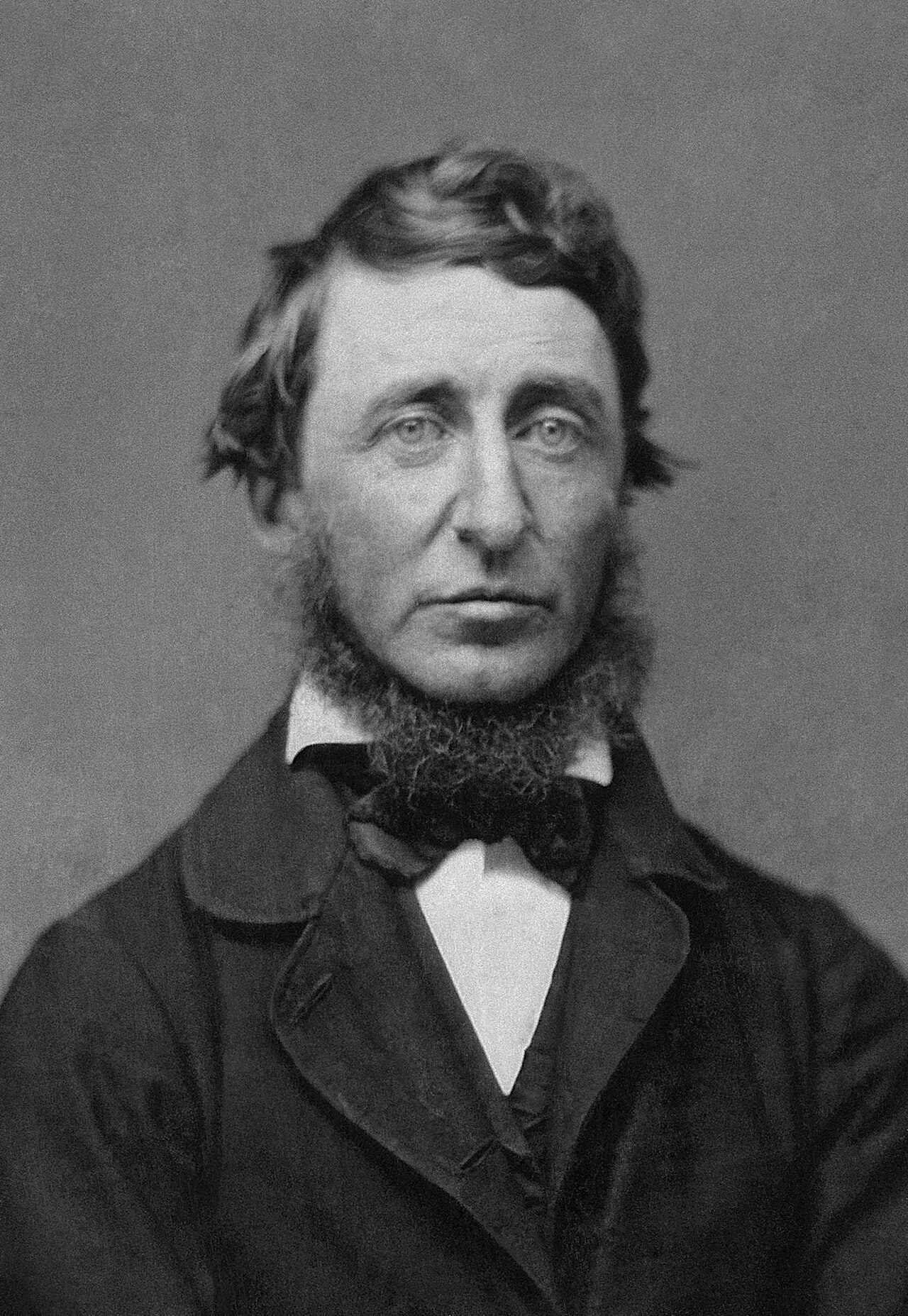
Being a circle of Concord ❧
Concord, Massachusetts
MDCCCXXXVI — MDCCCLX · 1836 – 1860
An American circle that made self-reliance, nature, and intuition into a native spirituality — and launched the commune and civil disobedience.
Emerson✦ Thoreau✦ Fuller✦ Alcott
The Argument
he Transcendentalists were a circle of writers and reformers around Ralph Waldo Emerson in Concord, Massachusetts, in the 1830s–50s, who forged a distinctly American spirituality out of Romanticism, liberal Christianity, and newly available Hindu and Buddhist scripture. Emerson's essays (“Self-Reliance,” “Nature”), Thoreau's Walden and “Civil Disobedience,” and Margaret Fuller's pioneering feminism preached the divinity of nature, the authority of individual intuition over inherited dogma, and life as an experiment.
Gathered loosely around the journal The Dial and the utopian Brook Farm, they launched threads that run through American culture ever since: environmentalism and the wilderness ethic, nonviolent civil disobedience (via Gandhi and King), the commune movement, and the long American tradition of spiritual self-invention.
Portraits from Life
Articles of the Faith
The Unifying Principle
Divinity is immanent in nature and the self; truth comes through individual intuition, not institutions, and each person must live deliberately by their own conscience. — the common creed of Concord
Why It Caught
What Gathered Them & What Scattered Them
☞ The Gathering
☜ The Scattering
Internal Dynamics
A friendship-circle and lecture-network, not an institution; its cult of self-reliance actively resisted cohering into a movement, radiating instead through essays and example.
Into the World
Founded a distinctly American spirituality and letters; and from that single hearth, whole traditions were struck.
The Scenius Signature
A hearth of friends who made intuition and nature into an American scripture, then insisted each person walk alone. The Concord signature
The Fate
Dispersed by its own individualism and the Civil War; composted into environmentalism, nonviolent resistance, and the American counterculture's deep roots.
Colophon
Sources & Plates
All portrait plates are in the public domain, reproduced from Wikimedia Commons and credited beside each image (Southworth & Hawes; Benjamin D. Maxham; John Plumbe; and an unknown engraver). Keyed to the standard published literature on this scene — representative, not exhaustive.
