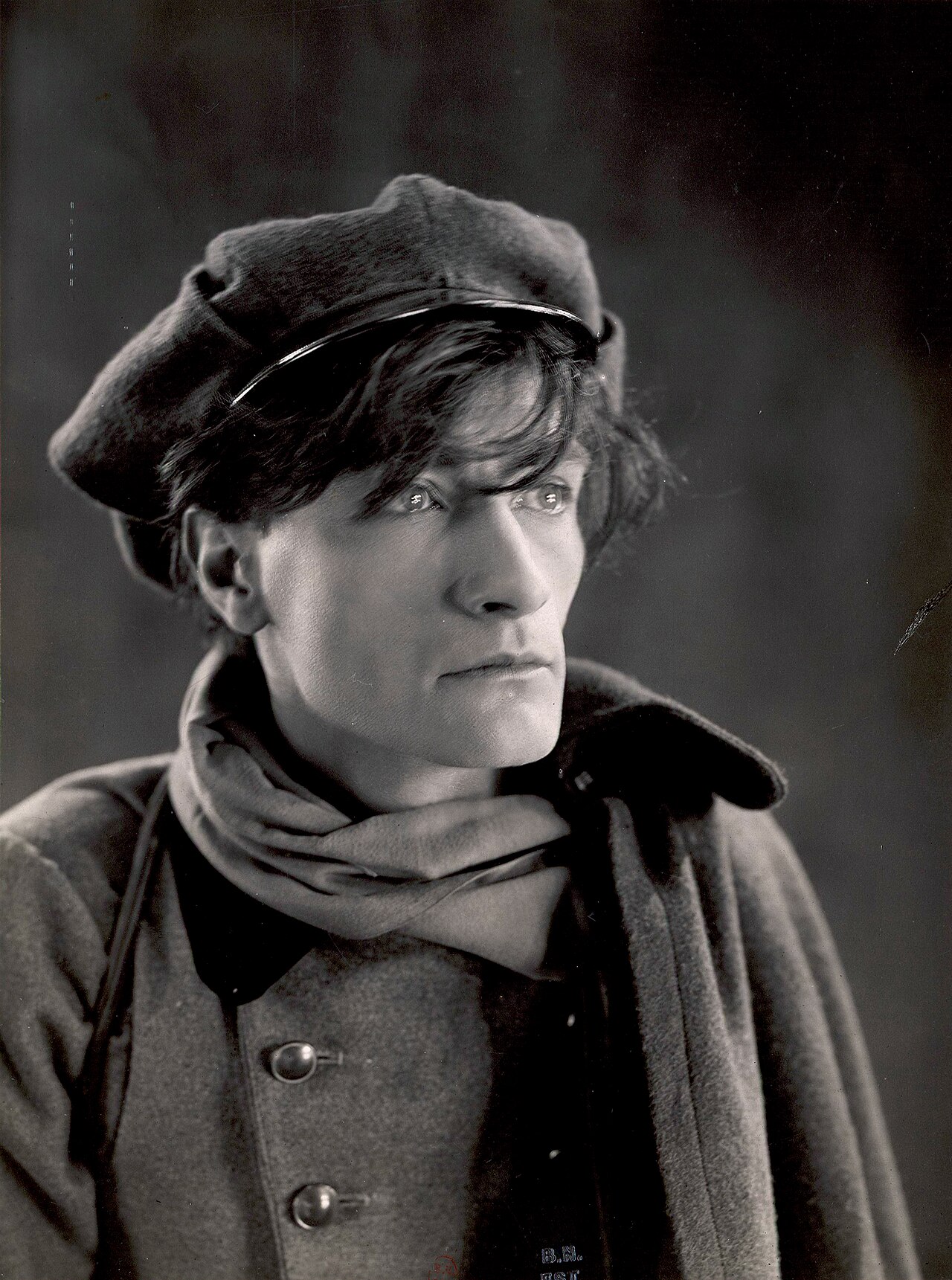
Paris · 1931–1948 · a doctrine authored by one mind
Antonin Artaud's visionary program to make theatre a total, ritual assault on the senses that heals by shock.
descend ↓
Theatre of Cruelty is less a scene than a single mind's doctrine: Antonin Artaud's attempt, articulated almost entirely in manifestos and essays between 1931 and 1938, to reinvent theatre as an assault on the senses that would bypass language and "liberate" the spectator's subconscious through what he called a "magic exorcism."
It had no company, no ongoing venue, and almost no institutional body — its one full staging, The Cenci at the Folies-Wagram in 1935, was a commercial failure — yet it became one of the most consequential single-author theoretical projects in twentieth-century performance, carried forward not by disciples working alongside Artaud but by a book, The Theatre and Its Double, that outlived and outgrew him.
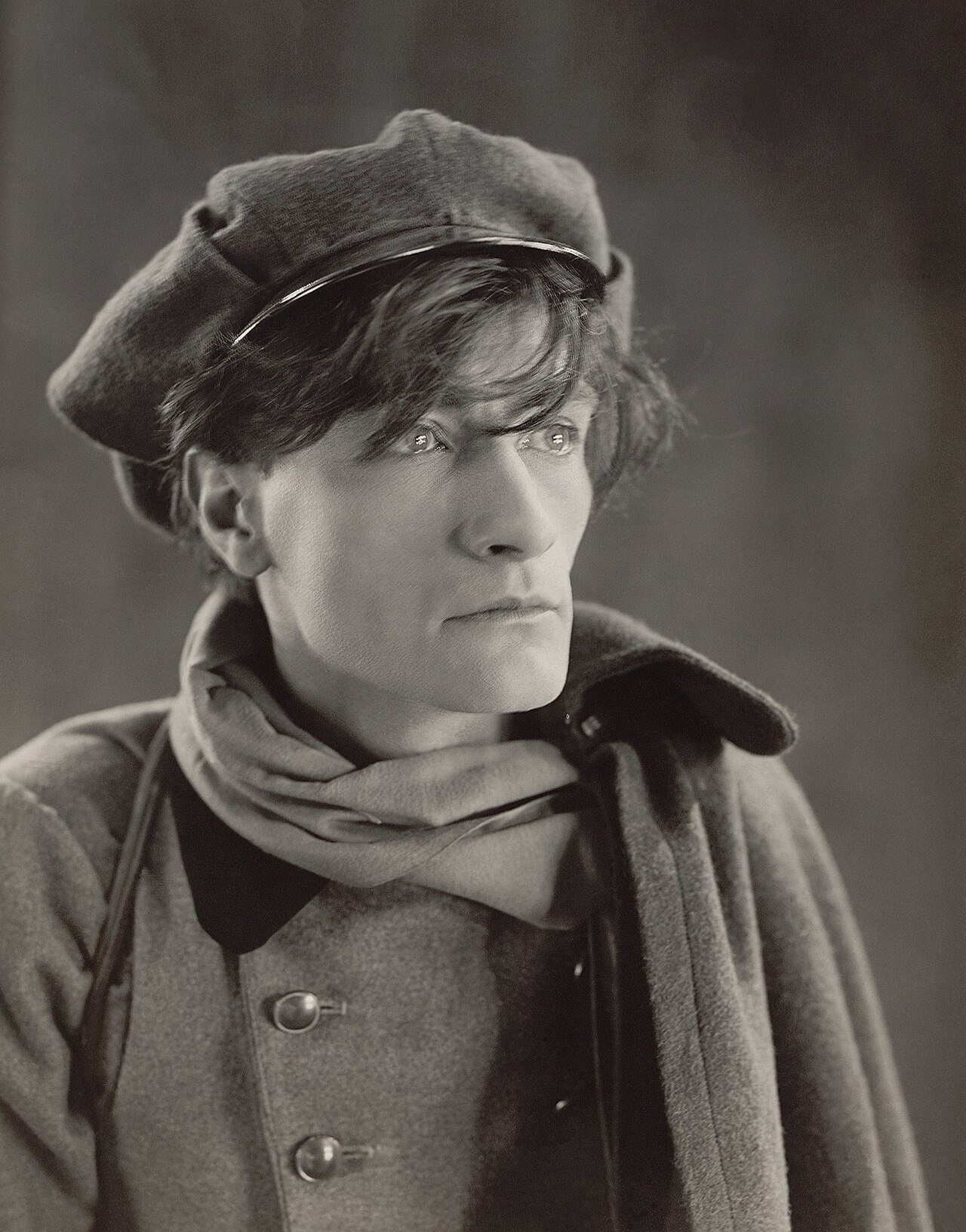
Theatre should abandon psychological realism and the primacy of the script to become a total, ritual, physical experience that assaults the spectator's senses and shocks the culture into transformation.
Theatre as plague, ritual, and total assault on the senses.
Breaking the tyranny of the text and the word.
The body, the scream, and gesture over psychology.
Theatre that heals by shock, like an exorcism.
A man who wrote the theatre he could not stage — and whose intensity made the unrealized doctrine a permanent magnet.


Artaud's visionary, near-prophetic intensity made the idea a magnet decades after his failed productions.
The promise of a theatre that could transform rather than merely entertain answered a deep hunger in postwar performance.
Its very unrealizability made it an inexhaustible provocation.
Less a group than a vision authored almost single-handedly by Artaud, whose failed productions and incandescent writings left a program others would try to enact.
A one-man mythos so potent it functioned like a scene — an unrealized program that generated decades of collective experiment.
It re-centered twentieth-century theatre on the body, ritual, and total sensory experience.
Cruelty
Artaud died without realizing it, but "cruelty" became a permanent horizon that experimental theatre has pursued ever since.