06 The Record
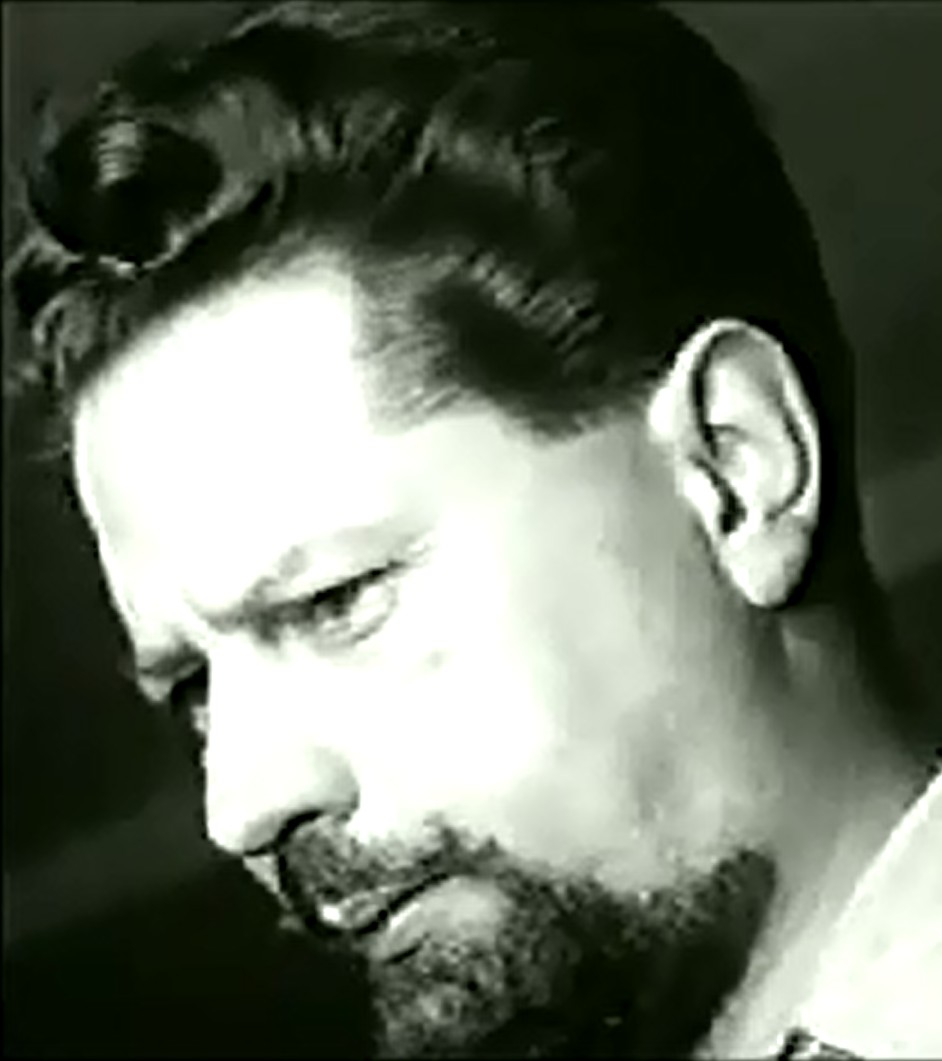
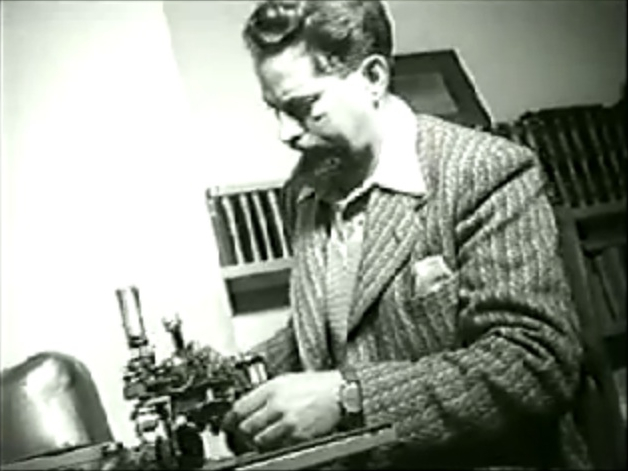
W. Grey Walter, 1949.

File RATIO / 01 London · 1949–1958 Founded by John Bates · opened by Warren McCulloch
A dining club of young British brain-and-machine thinkers, meeting after hours in a basement below the nurses' quarters to argue whether nerve and machine obey the same laws.
00 Essence
A young British dining club of brain-and-machine thinkers who did cybernetics with mischievous informality — no professors allowed.
01 The Minutes
Get promoted to professor, and you resigned.
The Ratio Club was less a school than a controlled experiment in sociability: roughly twenty young British scientists — neurologists, physiologists, engineers, mathematicians, physicists — met after hours in a basement below the nurses' quarters at the National Hospital for Nervous Diseases to argue, over beer, about whether the nervous system and the machine obeyed the same laws of feedback and regulation.
Founded by John Bates in September 1949, catalyzed by Warren McCulloch's opening address, and bounded by a deliberately anti-hierarchical rule — get promoted to professor, and you resigned — the club became, for nine years, the densest node of British cybernetics: the informal parliament in which W. Ross Ashby's Homeostat, W. Grey Walter's tortoises, and Alan Turing's speculations on machine intelligence were tested against each other's skepticism before they reached print.
02 Principal Members
Invitation-only, junior by rule. Four of the roughly twenty who carried the club's ideas into print — and into the disciplines they would found.
House rule · The club deliberately excluded senior professors. Membership was a fixed dining format; promotion to a chair was grounds for resignation. Flatness was the whole apparatus — junior researchers spoke freely, and ideas crossed disciplines faster than any faculty could allow.
03 Unifying Principle
The brain can be understood as a machine, and machines can be built to model brain-like behavior — best pursued through informal, cross-disciplinary, irreverent exchange among young researchers.
Everything the club prized folded into a single closed curve: sensor, regulator, effector, and the world returning as new input. Feedback was not a topic among many. It was the shape of thought itself — and the shape of the club.
04 Motifs
MOTIF 01Brains and machines as one problem — not analogy but a shared law.
MOTIF 02The robot tortoise and the homeostat as thinking toys — working models that made abstraction vivid and shareable.
MOTIF 03Irreverent, professor-free informality — hierarchy switched off at the door.
MOTIF 04Dining-club science — the meal, the beer, and the argument as the instrument.
05 Memetic Forces
The excitement of a brand-new interdisciplinary field, cybernetics, drawing brilliant young British minds.
The no-seniors rule created a rare flat, playful space where junior researchers spoke freely.
Building working models — tortoises, homeostats — made abstract ideas vivid and shareable.
06 The Record
07 Engines of the Loop
A homeostat keeps its balance by opposing forces. So did the club: a format that pulled it together, and a success that pulled it apart.
08 Internal Dynamics
A small, invitation-only British dining club of young neurologists, engineers, and mathematicians — Turing among them — who met to talk brains and machines without hierarchy or professors.
09 Scenius Signature
A flat, playful dining club where youth and irreverence let brain–machine ideas cross-pollinate faster than any faculty could allow.
10 Society Impact
Generativity
Incubated key figures and ideas of British cybernetics, early AI, and computational neuroscience; Walter's tortoises and Ashby's homeostat became icons of the field.
11 Fate
Dissolved by 1958 as intended — its members flowing into the institutions of cybernetics, AI, and neuroscience they helped found.
