Repression made ridiculous
Turning protest into absurdist play made repression look ridiculous — and recruited the young and the curious.
A playful anarchist revolt
A playful Dutch anarchist movement whose White Plans — free bikes! — turned provocation into civic imagination.
Paint every bicycle white. Leave them unlocked in the streets. Ride one, drop it anywhere, let the next person take it. A free city on two wheels — the plan the police confiscated, and the idea Amsterdam never gave back.
Provo convulsed Amsterdam from 1965 to 1967, bridging the Situationist critique and the coming counterculture. Around Roel van Duijn and the happening-artist Robert Jasper Grootveld, Provos staged absurdist happenings and issued White Plans — utopian-practical proposals designed to provoke the authorities into overreaction and expose their absurdity. Deliberately dissolving itself at its peak, Provo nonetheless won seats on the city council, prefigured the bicycle politics Amsterdam became famous for, and modelled a joyful, media-savvy activism. Its DNA runs through the Kabouter movement, green politics, and later carnival-protest tactics like Reclaim the Streets.
Motifs · the grammar of the revolt
Provoke the establishment into revealing its violence through playful, imaginative, nonviolent absurdity — and prototype a freer city.
Turning protest into absurdist play made repression look ridiculous — and recruited the young and the curious.
The White Plans offered concrete, imaginable utopias — free bikes! — not just slogans.
Provoking the police into overreaction was a self-amplifying media tactic: the authorities wrote the next headline themselves.
A tiny, media-savvy anarchist collective that treated the city as a stage and the police as unwitting co-stars — then dissolved itself before it could ossify.
A handful of pranksters who weaponized play, making the state its own straight man.
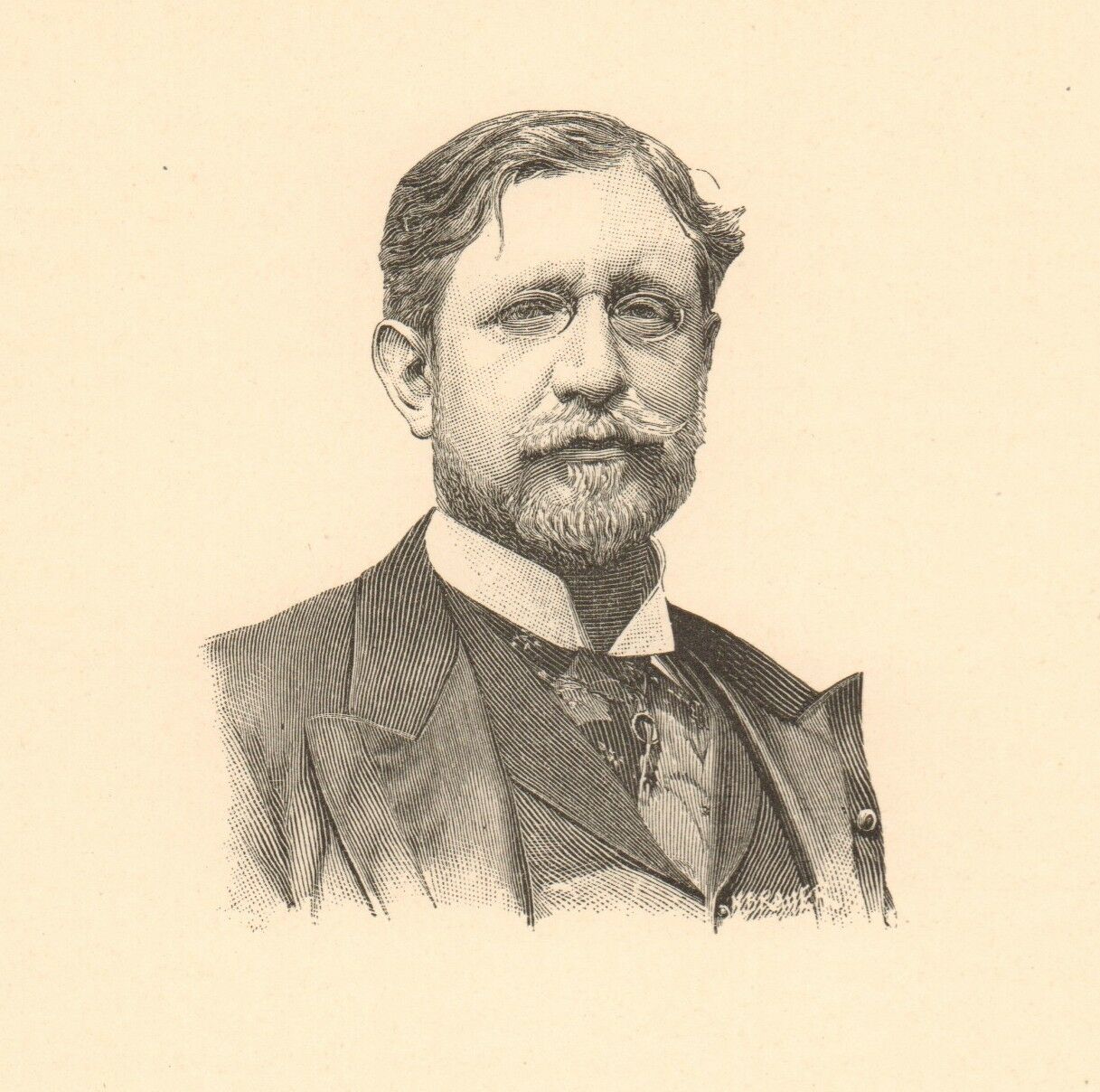
Pioneered playful direct action and bike-share / ecological urbanism; seeded Dutch counterculture, green politics, and the tactics of later carnival protest.
A handful of pranksters who weaponized play, making the state its own straight man.
Self-dissolved in 1967. Composted into the Kabouters, green municipal politics, and the DNA of Reclaim the Streets.
