An informal network of scientists chose the simplest possible living thing — a virus that infects bacteria — as the key to heredity, and in studying it together founded a science.
biome · Life & Labmorphology · networkgenerativity · 4/5
The simplest life — a phage on a bacterium — studied together, until it opened the gene.
fig. 0 — T-even bacteriophage on a lawn of E. coli; each clear plaque = one founding infection
fig. 1 — the invisible college
a treaty to study one small thing
The Phage Group was an informal network of scientists who, from around 1940, chose the simplest possible living thing — the bacteriophage, a virus that infects bacteria — as the key to understanding heredity, and in doing so founded molecular biology.
Led by the physicist-turned-biologist Max Delbrück with Salvador Luria and Alfred Hershey, the group cohered around a shared organism, a famous summer course at Cold Spring Harbor, and Delbrück's insistence on quantitative rigor and open exchange.
Their work established that genes are made of DNA and how they mutate and replicate. A classic invisible college, the Phage Group's culture and people seeded the double-helix era and much of modern biology.
fig. 2 — recurring motifs
the shared images
motif 01
the bacteriophage as simplest life
motif 02
the summer course as initiation
motif 03
the model system and shared organism
motif 04
quantitative, physics-style biology
motif 05
the informal invisible college
fig. 3 — the unifying principle
the creed
Study life at its simplest — the phage infecting a bacterium — with quantitative, physical rigor, and share one model system so results compound across a distributed community.
fig. 4 — convergent & divergent engines
what held it together, what broke it open
convergent — the culture medium
the Cold Spring Harbor summer phage course
Delbrück's leadership and the "phage treaty" standardizing methods
a shared model organism and correspondence
divergent — the dispersal
success dispersing members into the many fields molecular biology opened
methodological and personal differences
the field outgrowing the intimate network
fig. 5 — memetic forces & internal life
why it caught, how it held
memetic forces
Choosing the simplest possible organism promised to crack life's code fast and cleanly — a thrilling, tractable frontier. Delbrück's physics rigor and personal magnetism drew talent into a tight circle, and the annual Cold Spring Harbor course propagated the group's methods and membership year after year.
internal dynamics
A distributed invisible college bound by a shared organism, a summer course, and Delbrück's austere charisma. Membership was a matter of passing through the course and adopting the creed — a rite of conversion into a quantitative way of seeing life.
fig. 6 — signature, impact, fate
the assay result
scenius signature
A distributed circle that agreed to study one simple organism together, and thereby founded molecular biology.
society impact
Launched molecular biology — the experimental and social template that led to the gene, DNA function, and the field's whole first generation.
fate
Dissolved into success as molecular biology exploded into many fields; its summer course and ethos seeded the discipline.
fig. 7 — the workers & the media
the circle
Max Delbrückphysicist · convener · the phage treaty
Salvador Luriathe fluctuation test · mutation
Alfred Hersheythe blender · DNA as the gene
mediumsthe summer coursethe model organismcorrespondencethe seminar
archetypesThe Invisible CollegeThe Laboratory
fig. 8 — plates from the record
the workers, photographed
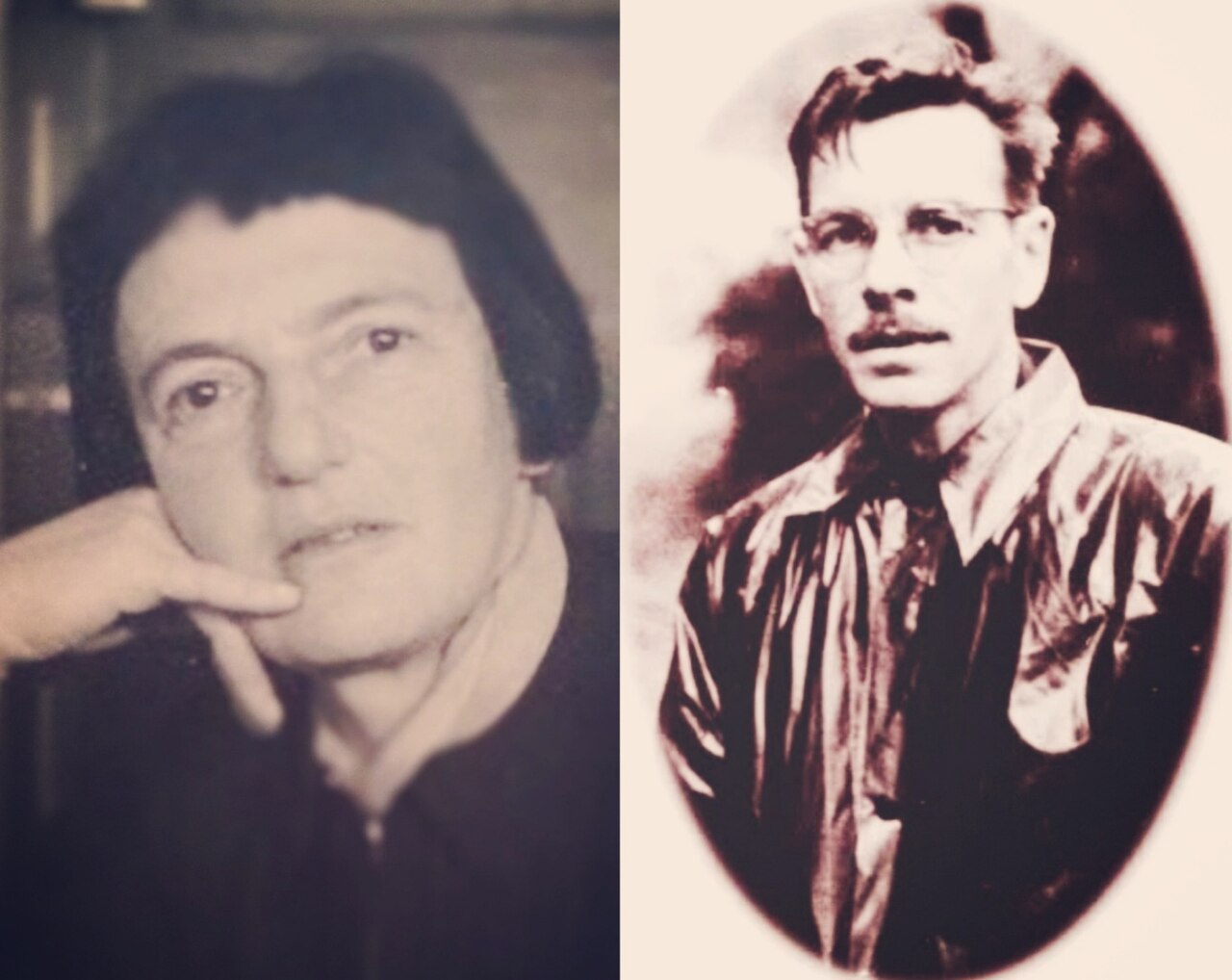
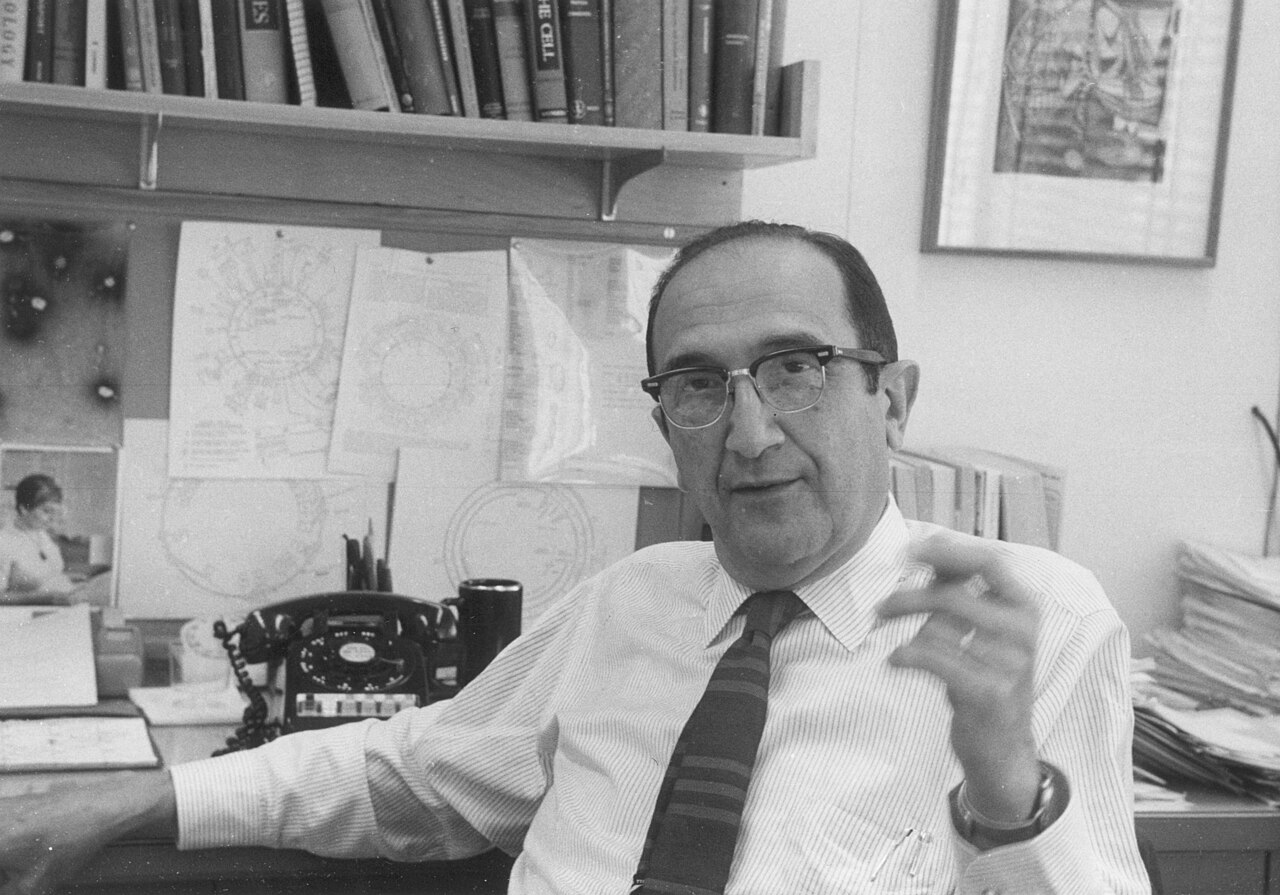
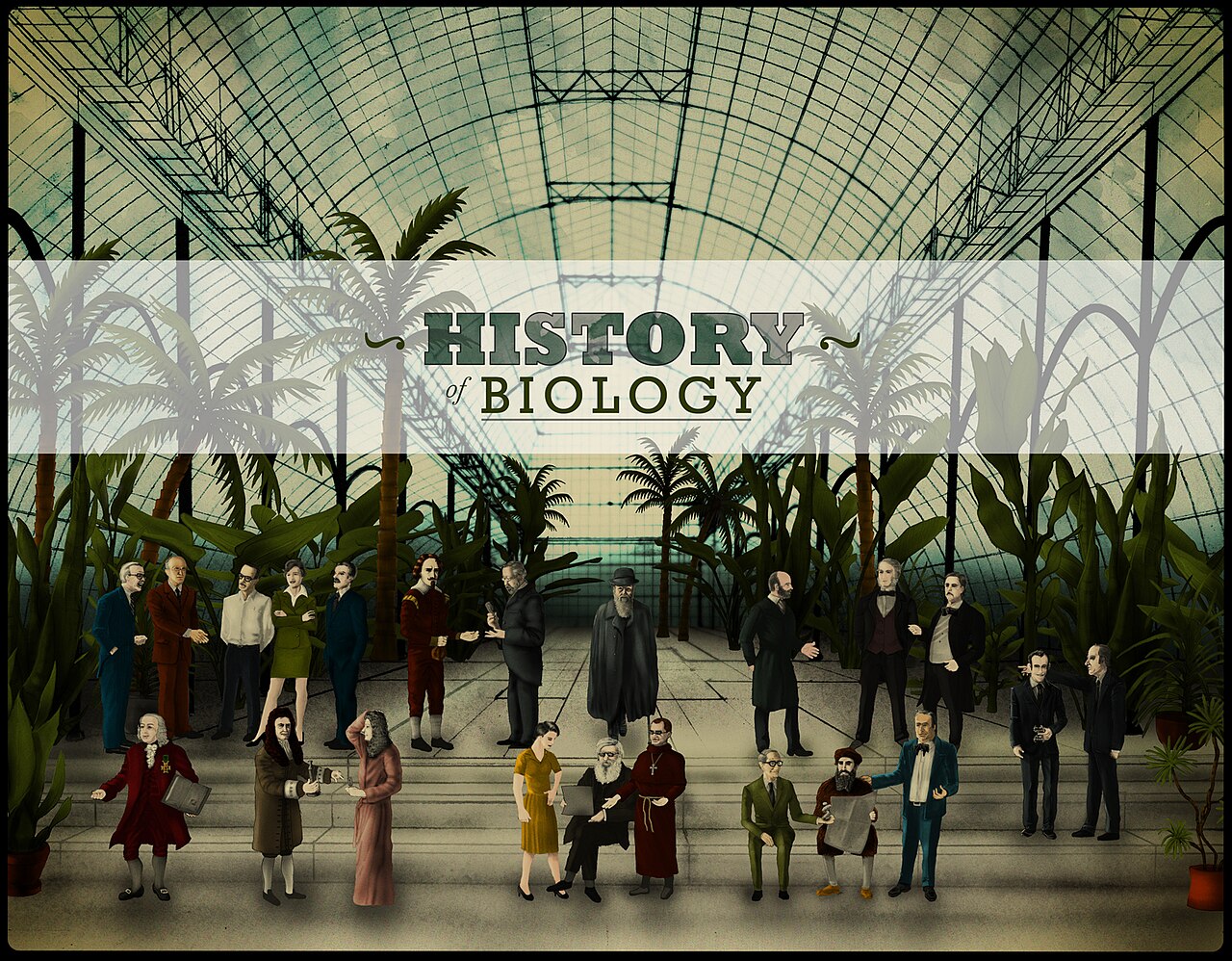
Alfred Hershey & Martha Chase — the 1952 "blender experiment" showed the gene is DNA. CC BY-SA 4.0 · Rohit Kumar Sengupta · sourceSalvador Luria at his desk, MIT, c.1969. Public domain · U.S. National Library of Medicine · sourceHistory of Biology — game art evoking the lineage the Phage Group launched. CC BY-SA 3.0 · Golgiboy · source
Images via Wikimedia Commons, reused under their stated licenses and credited to their authors above.