Planche I — Fondation
A new kind of house
for science
The Pasteur Institute, founded in Paris in 1887 on the fame of Louis Pasteur's rabies vaccine, was a new kind of institution: a private research institute that fused fundamental science, vaccine production, and teaching, and exported itself as a global network.
It industrialized microbiology and immunology — Metchnikoff's phagocytes, later a cascade of vaccines and antitoxins — and then, in its mid-century attic laboratories, became a birthplace of molecular biology, where Jacques Monod and François Jacob worked out gene regulation.
A model imitated worldwide, the Institute shows how a durable, mission-driven research organization can remain generative across a century and multiple scientific revolutions.
Planche II — Registre des motifs
The recurring figures of the work
- The germ theory applied
- The vaccine and serotherapy
- Immunity and the phagocyte
- The private research institute
- Science serving public health
Planche III — Les savants
A lineage of mentorship
Louis Pasteur
founder · germ theory, vaccination
Élie Metchnikoff
phagocytes · immunity · Nobel 1908
Jacques Monod
gene regulation · Nobel 1965
François Jacob
the operon · Nobel 1965
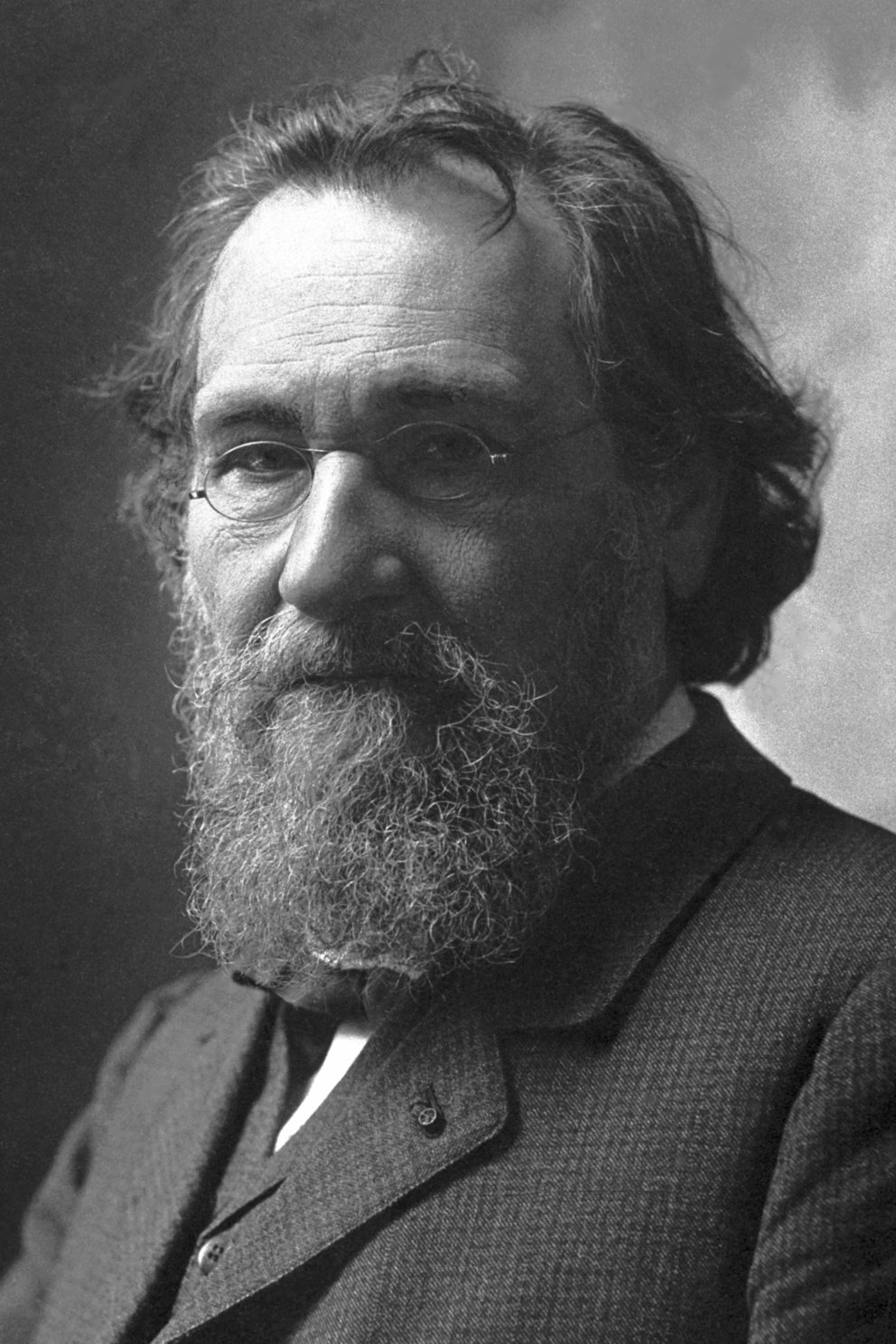

Planche IV — Forces mémétiques
What made the house generative
- iConquering disease gave the Institute heroic, world-saving stakes and public glory.
- iiIndependence from the university let it pursue applied science freely and fund itself by vaccines.
- iiiA lineage of mentorship — Pasteur → Monod, Jacob, Lwoff — sustained excellence across generations.
Planche V — Moteurs
Engines of convergence & divergence
Convergent
- Pasteur's fame and the Institute's independence
- Vaccine production funding research
- A strong mentorship lineage
Divergent
- The pull between applied vaccine work and basic research
- Generational and disciplinary turnover
- Competition from big-science and state labs
Internal dynamics. An independent, self-funding institute sustained across generations by a mentorship lineage; its dual identity — public-health service and basic science — was both tension and strength.
Planche VI — Les combles · The attic laboratories
And then, upstairs,
they cracked the gene
In cramped rooms under the roof, Monod and Jacob asked how a cell decides which genes to read. Their answer — the operon — showed a gene switched on and off by a repressor, and gave molecular biology its first grammar of regulation.
regulator / structural genes promoter operator — the switch
Planche VII — Principe
One principle, held for a century
Rigorous microbiology in service of public health; an independent, self-funding institute can pursue both applied cures and, later, the deepest questions of the gene.
Planche VIII — Portée · Signature
Impact on the world
Industrialized microbiology and vaccination, then founded the molecular biology of the gene — Monod, Jacob, Lwoff — becoming a model for the mission-driven research institute worldwide.
Scenius signature
A self-funding institute where conquering disease and, later, cracking the gene ran under one mentorship lineage for a century.
Planche IX — Mediums & Archétype
Mediums of the scene
- the institute
- the vaccine
- the seminar
- the monograph
Archetypal layer
- The Laboratory