NEOISM
1979 – 1995 /// Montreal · Baltimore · Europe /// Avant & Anti-Art
A prank-movement built on shared open identities that mocked and mimicked the avant-garde itself.
01The Brief
Neoism was a slippery international prank-movement of the 1980s built around shared, open identities — anyone could be "Monty Cantsin" or "Karen Eliot" — that mocked and mimicked the very idea of an avant-garde. Emerging from mail art and Fluxus via figures like Istvan Kantor, it staged "Apartment Festivals," manifestos that contradicted themselves, and deliberate confusion about who or what Neoism even was.
The point was partly the joke and partly a serious experiment in collective, anonymous authorship as a weapon against art-world celebrity and copyright. Its multiple-identity tactic fed directly into later projects like the Luther Blissett collective, the anonymous traditions of internet culture, and the meme.
02Who Signed It
There are no authors here — only wearers. A few relentless organizers kept the network alive; the rest are open names that anyone, including you, may put on.
03Recurring Motifs
- motifThe open / multiple-use name (Monty Cantsin, Karen Eliot)
- motifThe hoax as method
- motifThe apartment festival
- motifPlagiarism and the refusal of originality
- motifThe anti-movement movement
04Unifying Principle
05Memetic Forces
- spreadA shared name anyone could adopt made identity itself a prank and a commons — infinitely viral and unownable.
- bondMocking the avant-garde while being one gave insiders a self-aware, in-joke intimacy.
- filterObscurity and absurdism filtered for the truly committed.
06Engines of the Scene
Convergent — what held it together
- The multiple-name device
- Apartment festivals and mail-art channels
- A few relentless organizers (Kantor, Home)
Divergent — what tore it apart
- A doctrine of contradiction that made cohesion impossible by design
- Personal feuds and Stewart Home's public break
- The joke's limited half-life
07Internal Dynamics
A deliberately incoherent network whose members feuded about a movement built to reject coherence; the open name outlived any of its wearers.
08Appropriated Plates
In the Neoist spirit of plagiarism and misattribution, these public-domain images were pulled from the archive under the banner "avant-garde" and re-stamped here as found material. They depict nobody in the movement — that is exactly the point. Each is captioned with what it actually is, and credited in full.
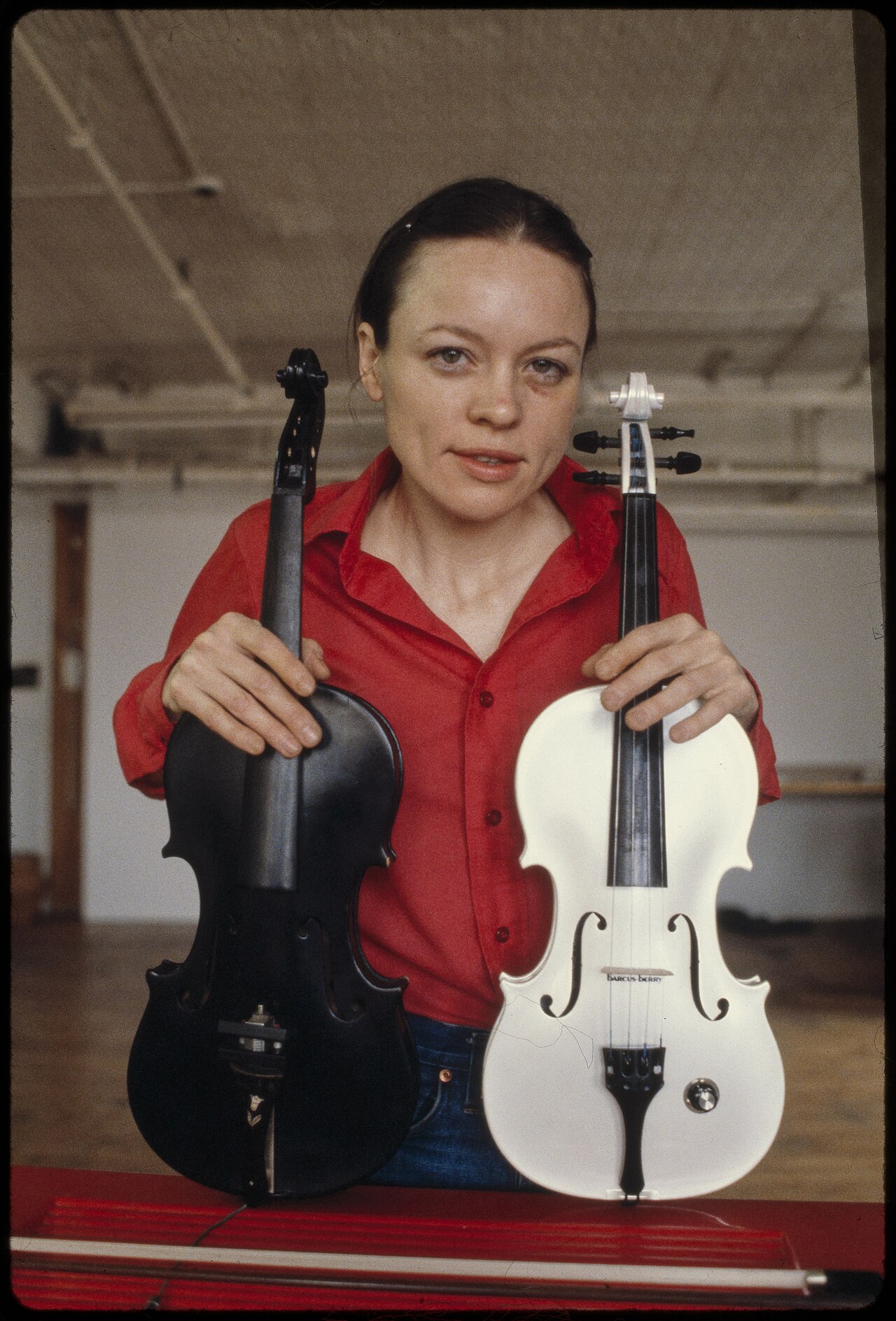

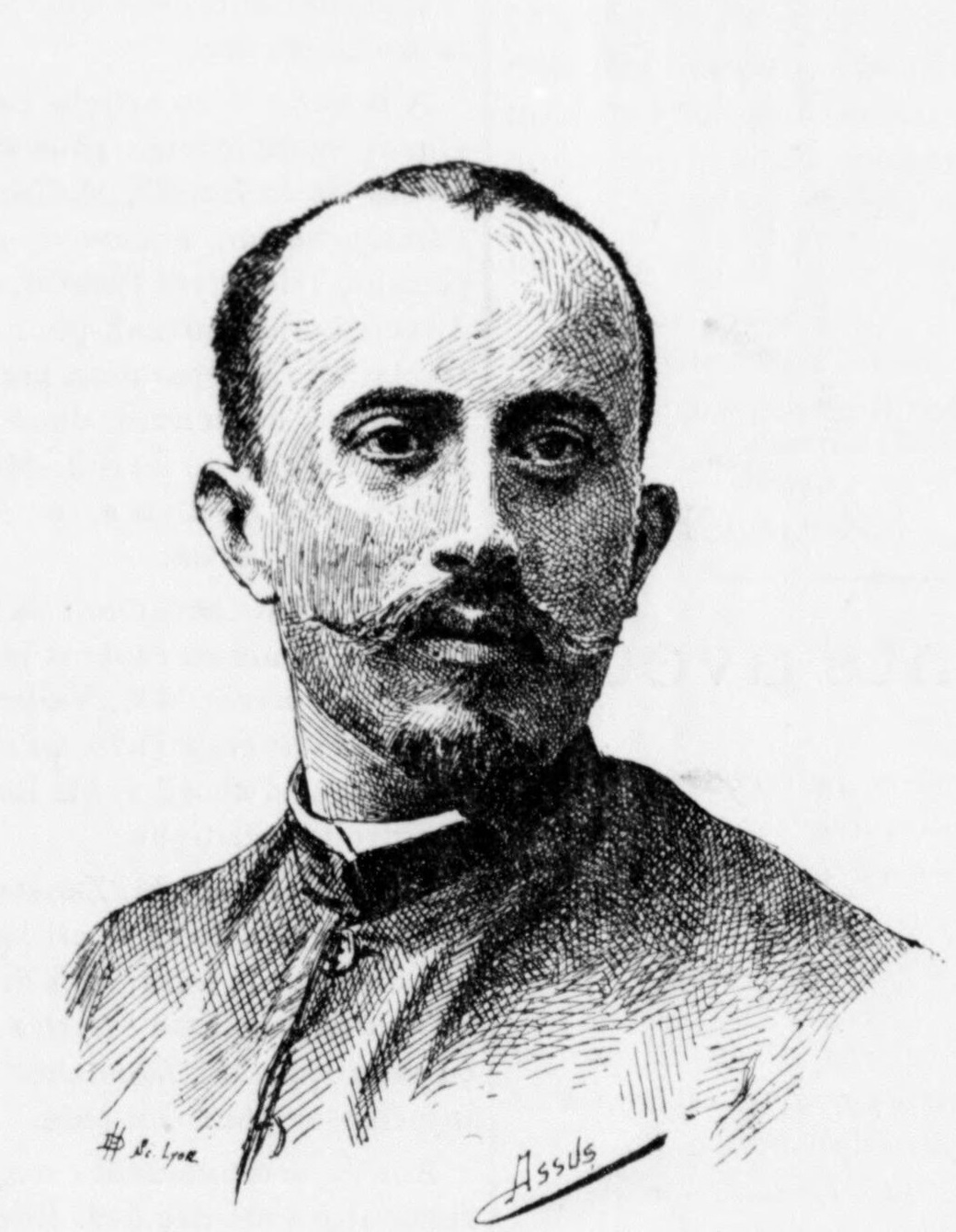
.jpg)
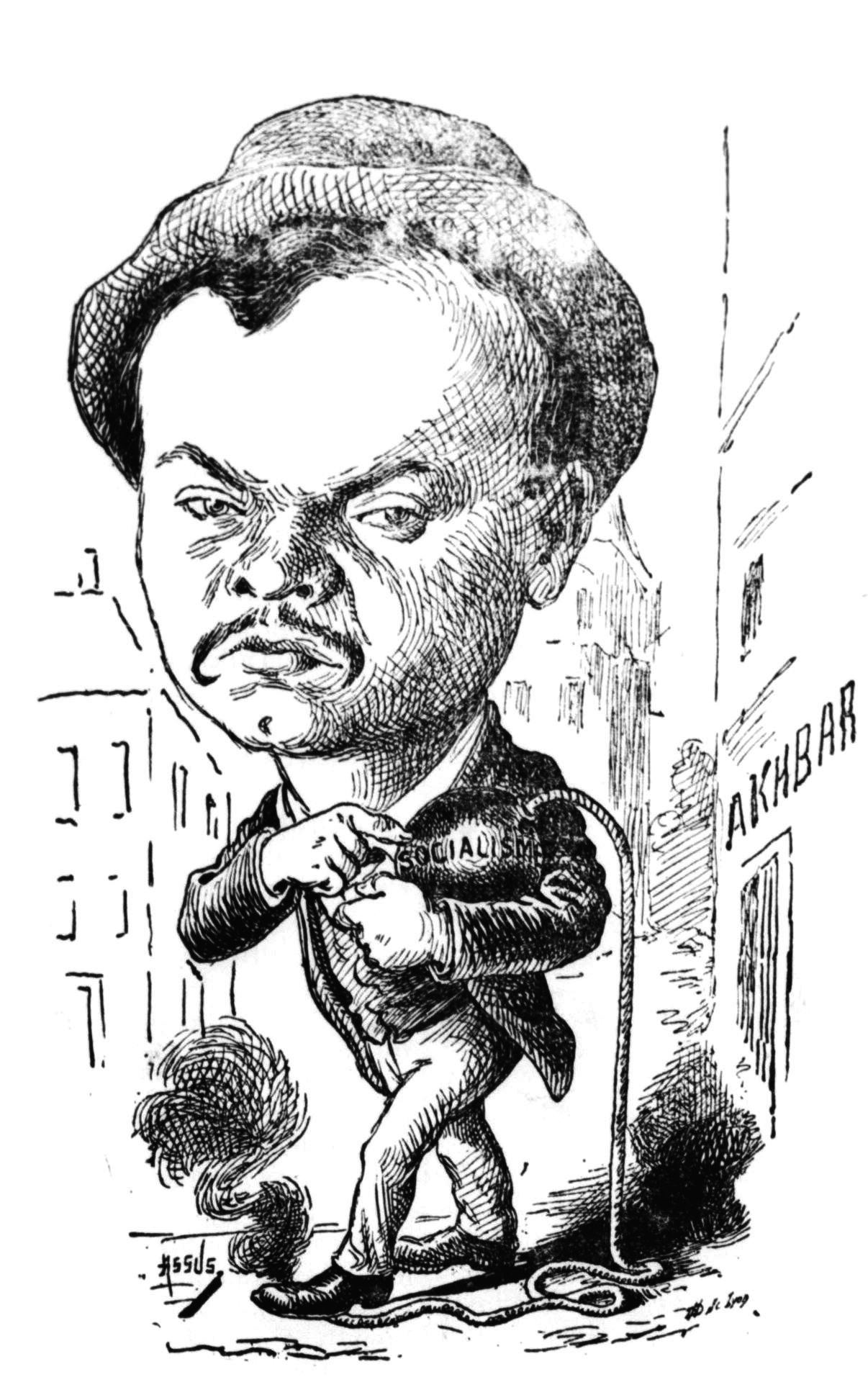
.jpg)


09What It Left Behind
Mediums: the open pseudonym · the apartment festival · mail art · the manifesto-hoax. Archetype: The Trickster.
10Scenius Signature
11Fate
Petered out by the mid-1990s; its open-identity idea reincarnated in Luther Blissett, Anonymous, and internet meme culture. The name did not die — it just stopped needing the movement.
Part of the Scenic Garden — an anthology of generative subcultures, each rendered in its own visual language. This sheet is set in system typewriter and heavy-display faces; images are appropriated public-domain material, credited above.
← return to the scenic garden