A hill above Ascona
Monte Verità was less a movement than a piece of ground onto which an entire generation's disgust with industrial, corseted, Wilhelmine civilization was projected and briefly, literally, inhabited.
On a hill above Ascona overlooking Lake Maggiore, Henri Oedenkoven, Ida Hofmann and the Gräser brothers established in 1900 a cooperative colony that rejected meat, alcohol, tight clothing, money, and monogamy in favor of raw food, sun-and-air bathing, manual labor, rhythmic dance and free love. It was less a doctrine than a practice-space: the "truth" of the name was to be lived on the body before it was argued in print.
Within a year the colony's founding compromise — Oedenkoven's turn to a paying sanatorium to keep the project solvent — split the group and drove out the Gräsers, previewing a pattern of schism that recurred for two decades as the site absorbed, and expelled, waves of anarchists, dancers, psychoanalysts and occultists.
The unifying principle
Industrial-bourgeois civilization has sickened body and soul; healing comes from returning to nature, freeing the body, and reforming the way we live and love together.
Truth lived on the body — the regimen
Sun, soil, and the un-corseted self
The colonists did not publish their creed so much as practice it, hour by hour, on the flesh. These were its recurring motifs.
The sacred mountain
The hill itself as a place apart — a truth-ground raised above the sickened valley of modern life.
The naked body in nature
Heliotherapy and air-bathing: sun and open air taken directly on bare skin as cure and creed.
Vegetarianism & nature-cure
Raw food, no meat, no alcohol — the diet of a body being detoxified of civilization.
Free love
The reform of relations: monogamy and property in the body renounced along with money and the corset.
Expressive dance
Rudolf von Laban's movement as a new language of the body — rhythm before words, gesture before doctrine.
Who & how
The pilgrims
- Henri OedenkovenCo-founder
- Ida HofmannCo-founder · pianist
- Rudolf von LabanDance · movement
- (many pilgrims)Anarchists · seekers
The mediums
The archetypes
Why the seekers came
An escape hatch you could walk into
The colony was a total escape hatch from industrial civilization — you could go and literally live the alternative, and that possibility drew a steady stream of Europe's seekers up the hill.
Its guest-list — anarchists, artists, psychoanalysts, dancers — made the site a crossroads where movements cross-pollinated: a place where one arrived carrying a creed and left having caught three others.
What held it together — and tore it apart
The two forces on the hill
- A single sacred site and colony.
- The shared life-reform regimen — diet, nudity, labor.
- Charismatic founders and a stream of visiting prophets.
- Chronic tension between ascetic reformers and hedonist bohemians.
- No fixed doctrine — so every guest brought their own creed.
- Financial fragility and the churn of a transient population.
A loosely-run colony, perpetually pulled between sanatorium-business and utopian-commune — sustained by an ever-changing cast of famous visitors more than by any stable membership.
The hill, then & now
Site & archive
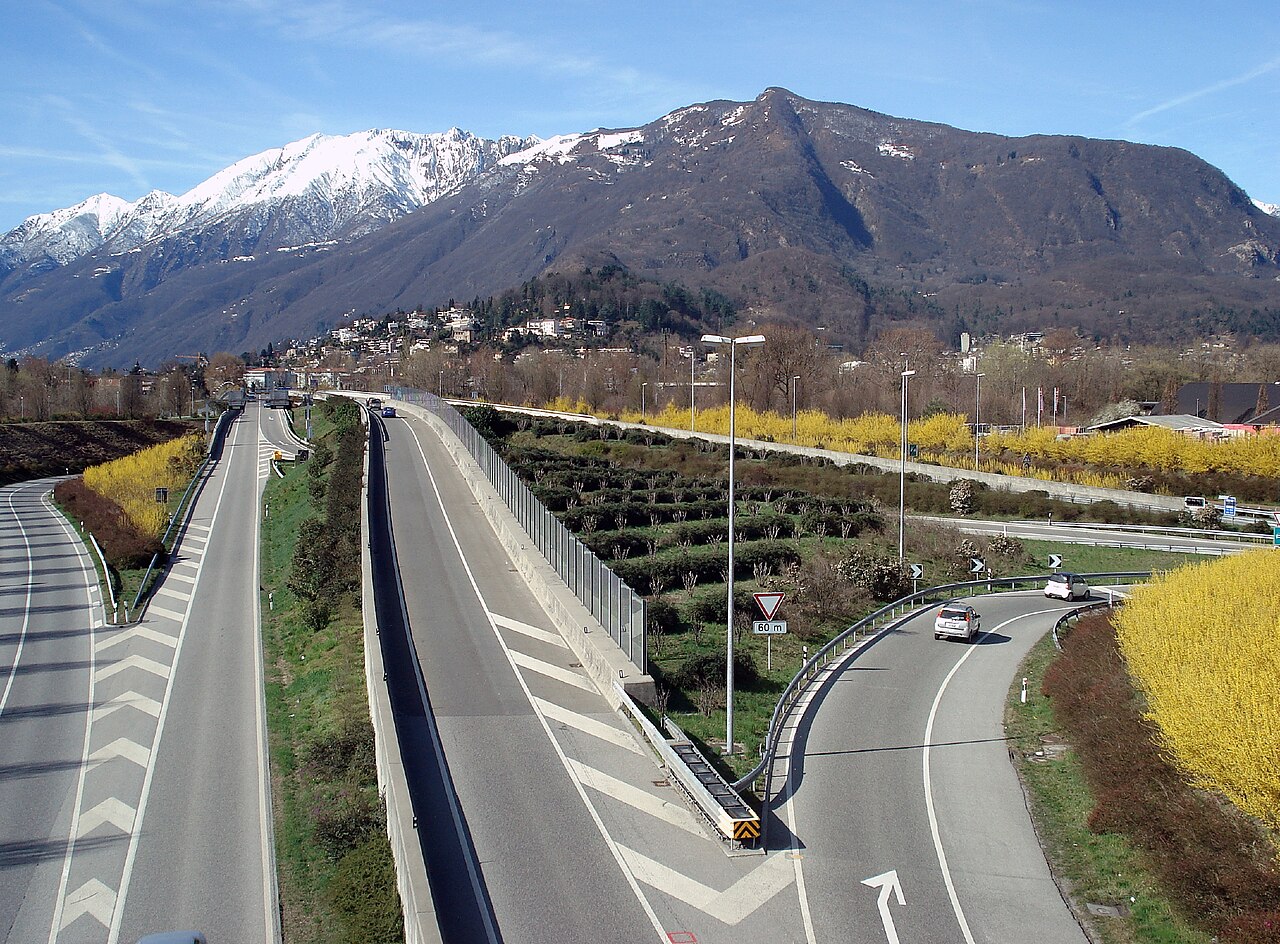
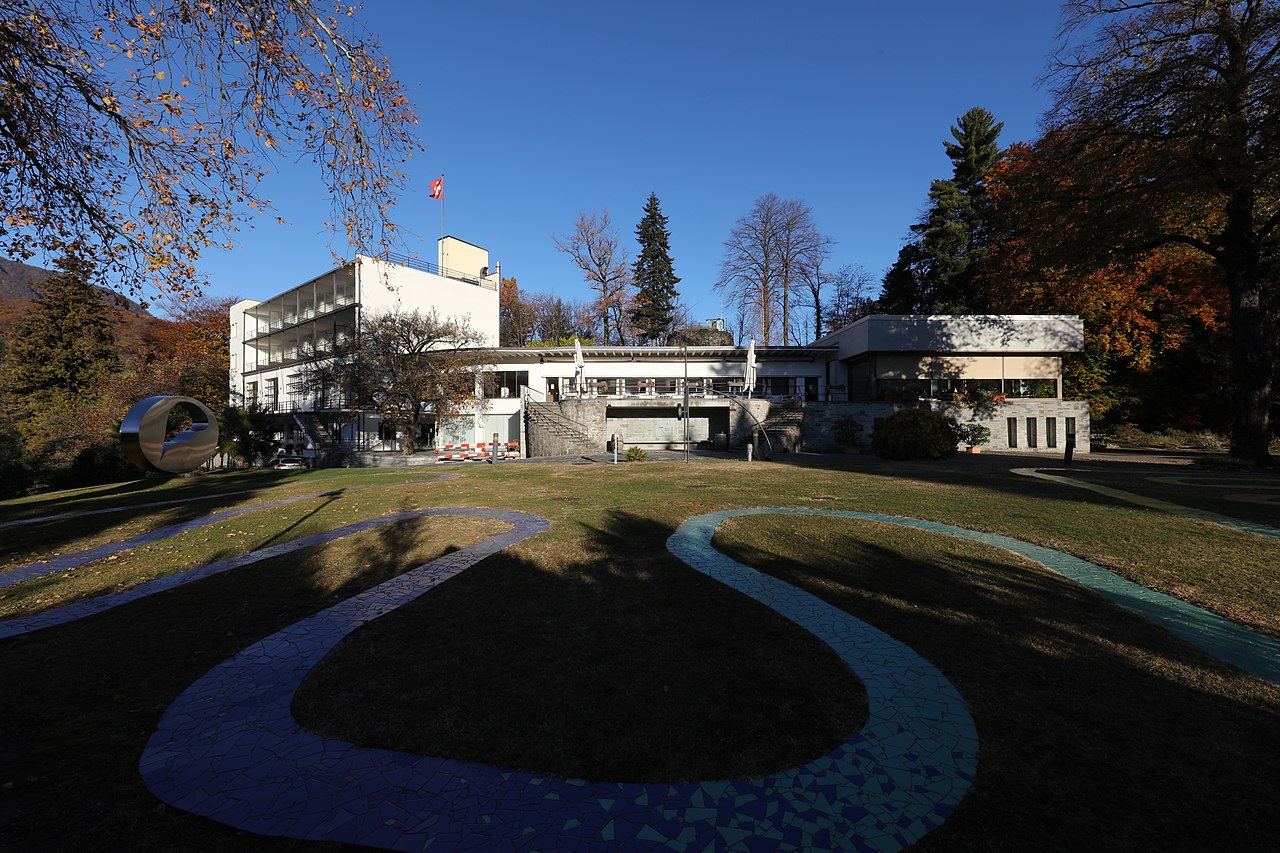
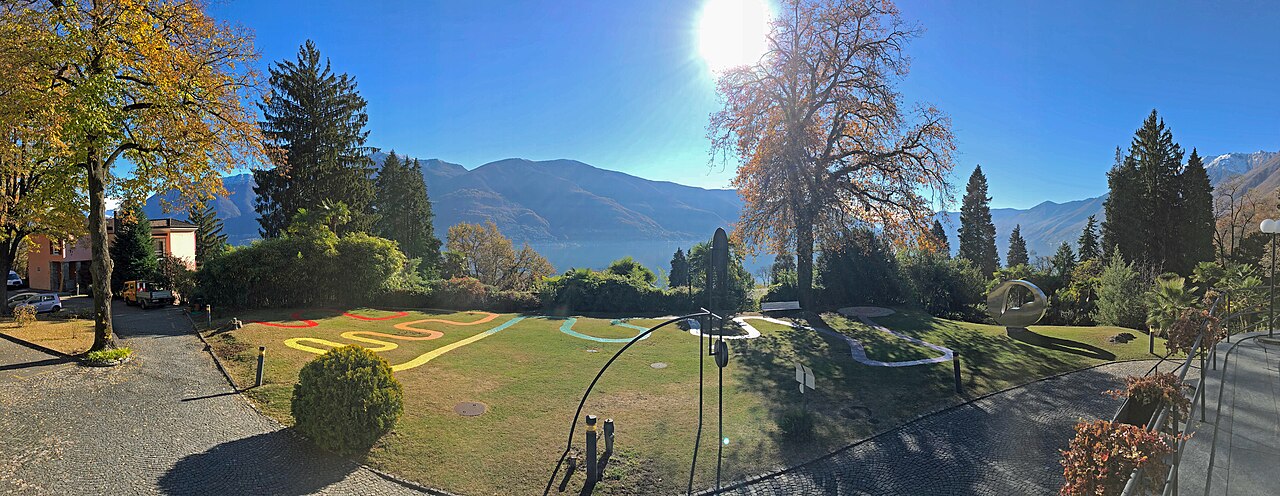
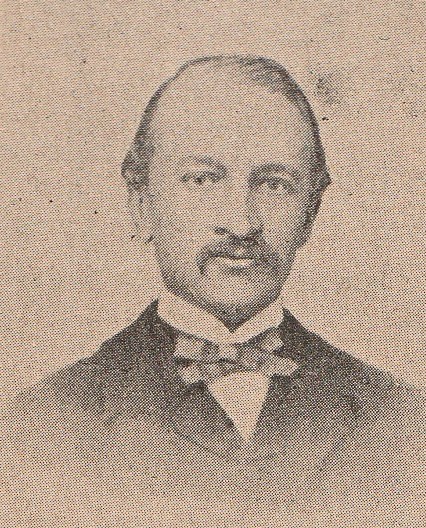
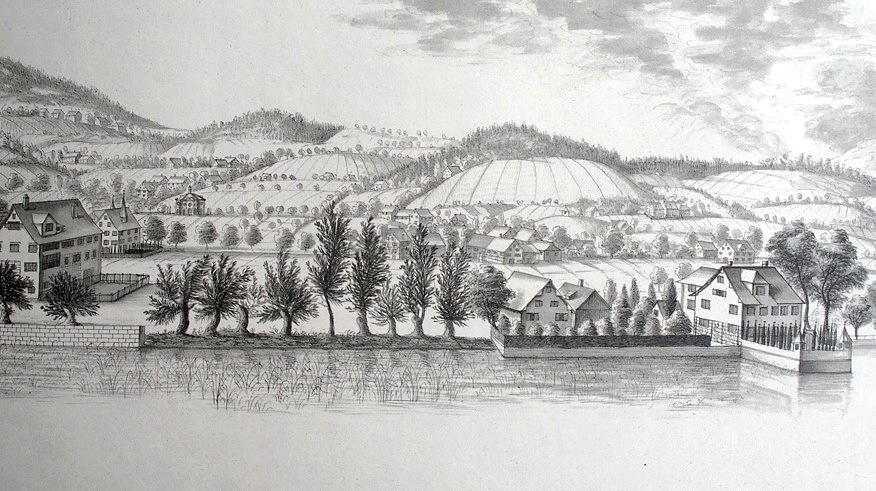
The colony faded into a hotel and gardens; the mountain remains. Modern views of the truth-hill above Lago Maggiore, set beside two period documents from the founders' world.
What the hill seeded
A Petri dish for the counterculture to come
A crucible of the 20th-century alternative: modern dance through Laban, the counterculture commune, the wellness and naturist movements, and much bohemian-anarchist thought all passed through this single hill.
The fate
Composted into what came after
Faded after the First World War into a hotel and artists' haunt; composted, across half a century, straight into Esalen and the 1960s commune movement it unknowingly prefigured.