Design · Film · Theory as one practice
Metahaven
A studio treating graphic design, film, and theory as one practice probing networks, propaganda, and aesthetics.
01 Origin · a branding proposal for a data haven
Metahaven began in 2007 when Daniel van der Velden and Vinca Kruk turned a school research project — a branding proposal for the offshore data haven Sealand — into a standing design practice premised on the claim that graphic design is never neutral service but a form of political knowledge production. Over the following decade they built, with commissions from WikiLeaks, the Icelandic Modern Media Initiative, and Independent Diplomat, a body of ‘critical’ or speculative design that treats logos, fonts, and identity systems as instruments of state power, surveillance, and propaganda — before migrating into filmmaking and gallery installation as the vehicle for the same inquiry.
02 Motifs · the recurring signal
Fog, arrows,
the state
03 The cell · a two-person studio
Co-founder
Vinca Kruk
Co-founder
Daniel van
der Velden
A tight two-person Amsterdam studio treating design, moving image, and writing as one research practice on the politics of the networked image.
04 Document · the practice in public
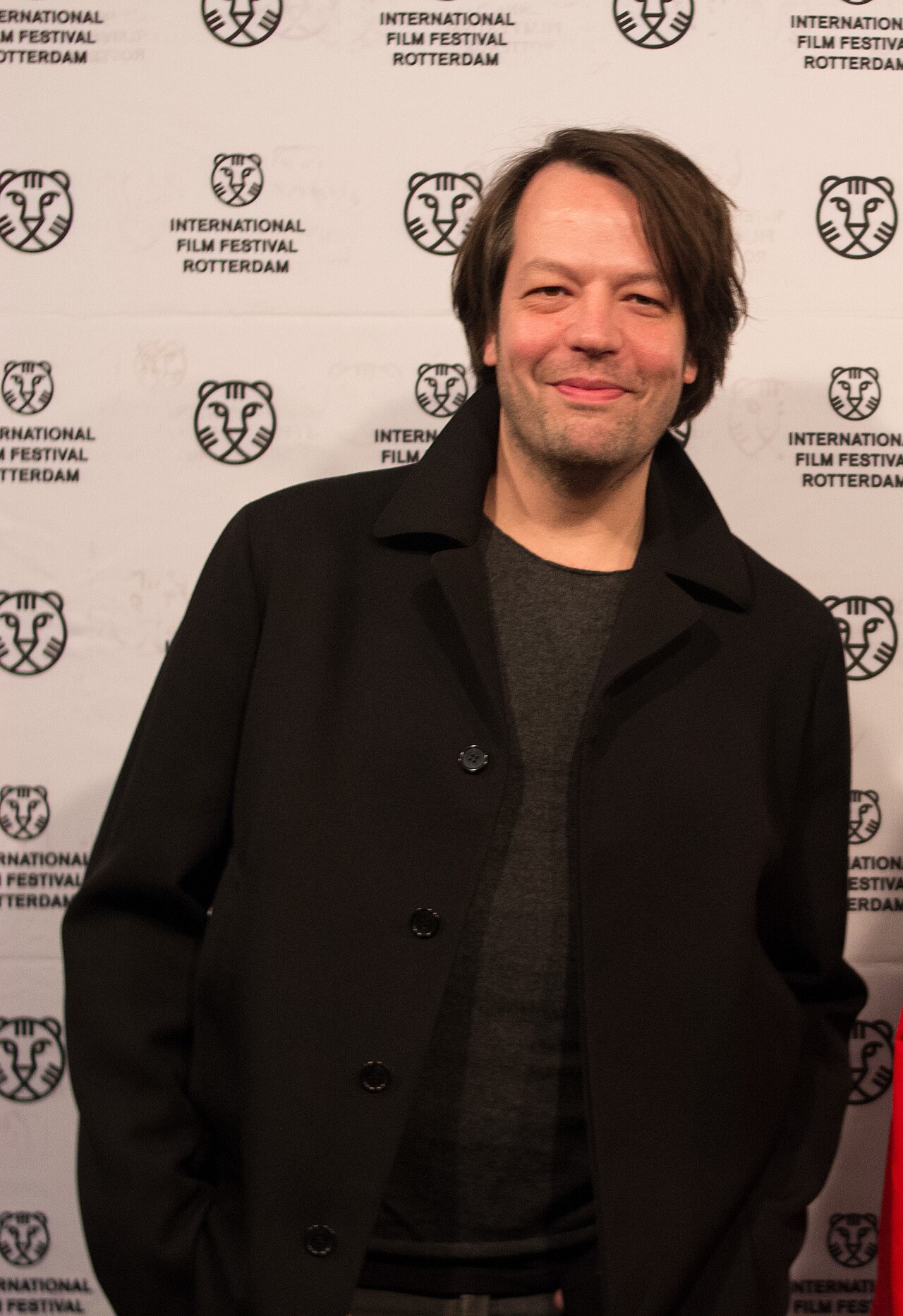
Photograph by Vera de Kok · licensed CC BY-SA 4.0 · via Wikimedia Commons.

By 2018 the studio's inquiry had moved fully onto the screen: the same argument about networks and power, now carried by film and gallery installation rather than the logo or the printed page.
05 Memetic forces · why it spread
Critique as
desirable object
06 Unifying principle
Design is a mode of political research.
By working across visual identity, film, and theory, one can analyze — and aestheticize — networks, propaganda, and power.
07 Convergent / divergent engines
→ Holds it together
→ Pulls it apart
08 Impact · what it changed
Design as research
Redefined graphic design as critical research, shaping post-internet design and visual culture — and influencing how the networked condition is theorized and depicted.
— Mediums worked
09 Scenius signature
A two-person studio fusing design, film, and theory into a single critical practice on networks and power.
Living and influential — having moved from graphic design toward film and theory while shaping post-internet aesthetics.
Status: living & influentialCredits & Sources
Text coded from public web sources (Wikipedia-led); confidence: high — not yet independently verified.
← return to the scenic garden