Study record
Registration data- Period
- 1986 – present
- Site
- United States
- Biome
- Spirit & Soma
- Morphology
- Network
- Principal
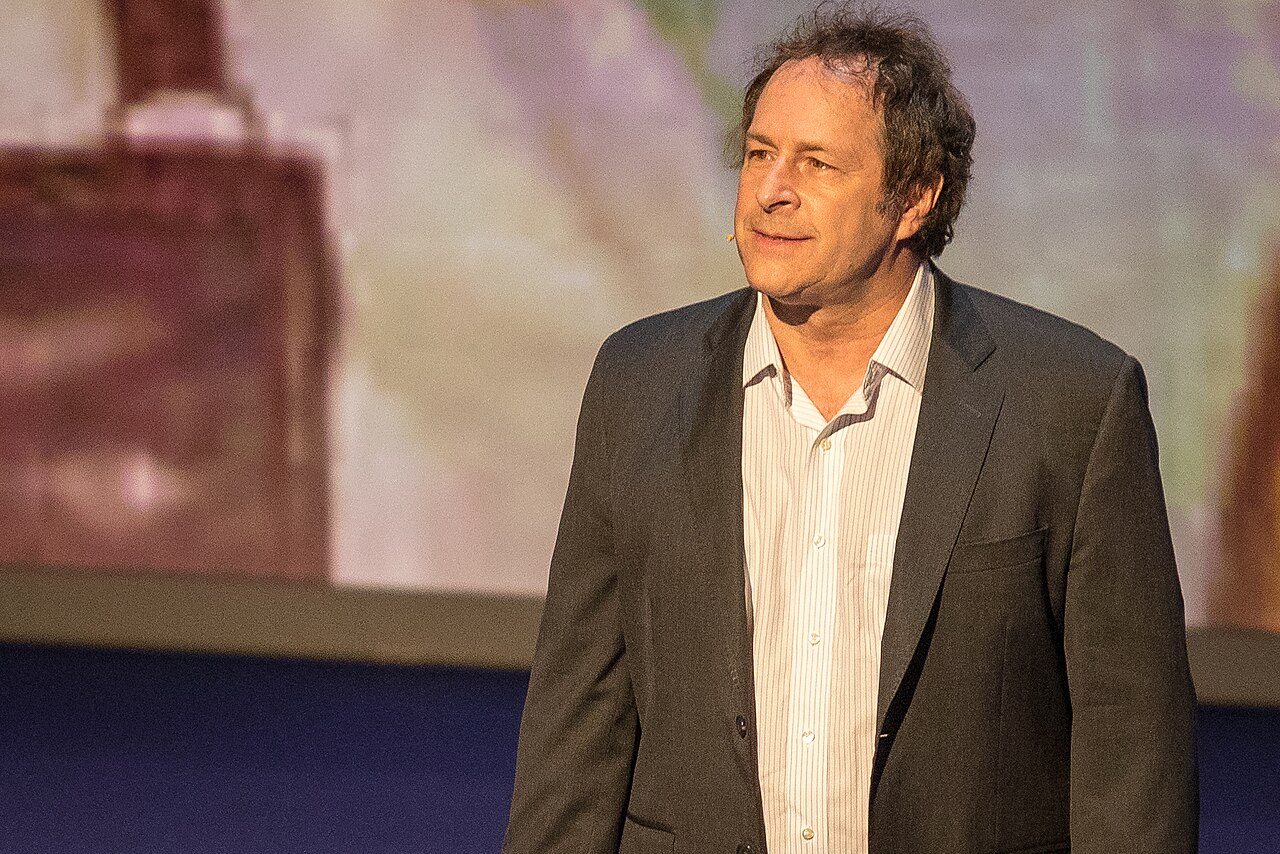
- Rick Doblin
- Co-investigators
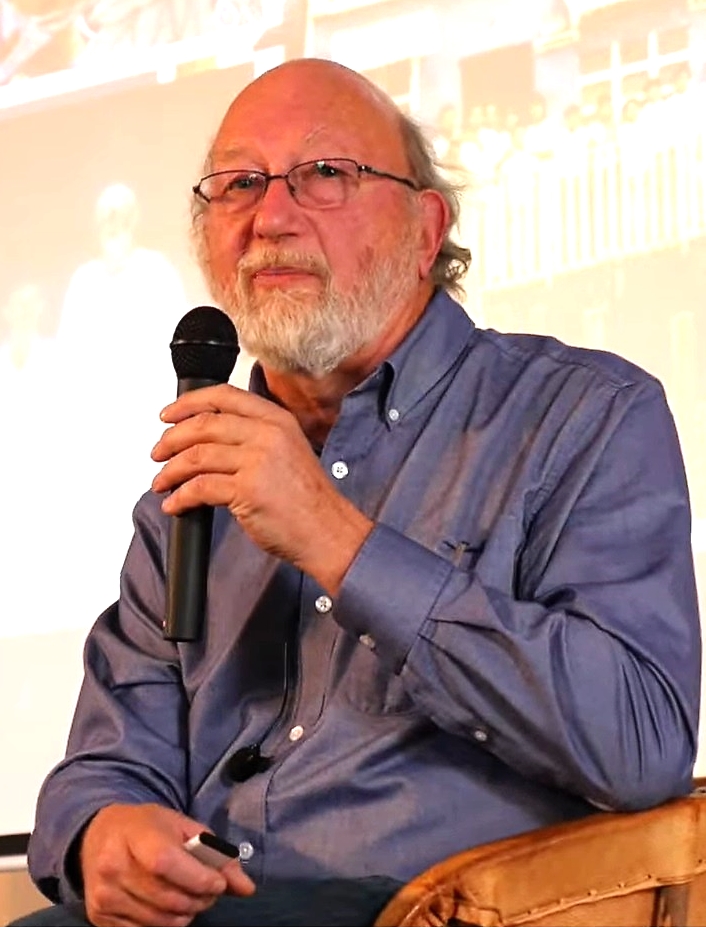
- (researchers & underground)
Instruments of the scene
- the clinical trial
- the nonprofit
- the conference
- the protocol
Archetypal layer
- The New Man
Background & rationale
MAPS — the Multidisciplinary Association for Psychedelic Studies, founded in 1986 by Rick Doblin — spearheaded the patient, decades-long campaign to bring psychedelics back from criminalized taboo into legitimate medicine and culture.
Where the 1960s psychedelic movement crashed into prohibition, MAPS chose the slow institutional path: funding rigorous clinical trials (notably MDMA-assisted therapy for PTSD), training therapists, and painstakingly rebuilding scientific and regulatory credibility. The result is the "psychedelic renaissance" — a wave of serious research, shifting laws, and mainstream attention.
As a case of a marginalized idea turned into a research program through persistence and professionalism, MAPS bridges the counterculture's consciousness-expansion ambitions and twenty-first-century psychiatry and wellness culture.
Motifs
Perforate along dotted lineUnifying principle
Psychedelics are medicines whose benefits can be proven through rigorous clinical science; patient, credentialed research can move them from the criminalized underground into approved therapy.
Memetic forces
Why it spread- a patient, science-based path to legitimize a criminalized substance gave believers a disciplined, hopeful mission across decades
- credible clinical results converted skeptics and funders
- the promise of healing trauma (PTSD) gave it moral urgency and broad appeal
Engines
Convergent · divergentConvergent — what held it together
- Rick Doblin's decades-long strategy and the MAPS nonprofit
- FDA-track clinical trials
- a coalition of researchers, therapists, and funders
Divergent — what pulled it apart
- tension between the underground's spirituality and clinical medicalization
- commercialization and the "psychedelic gold rush"
- debates over safety, hype, and access
Outcome measures
- Societal impact
- Drove the psychedelic renaissance, moved MDMA and psilocybin toward approved therapy, and reshaped mainstream attitudes to psychedelics and mental-health treatment.
- Internal dynamics
- A mission-driven nonprofit executing a multi-decade legitimation strategy; disciplined and patient, bridging an underground community and the clinical establishment.
- Fate
- Living and near a threshold — approval, commercialization, and the tensions of mainstreaming a once-underground practice.
Personnel & documentation
All images credited below


.jpg)
.jpg)

References
Representative, not exhaustive- Michael Pollan, How to Change Your Mind (2018)
- Tom Shroder, Acid Test: LSD, Ecstasy, and the Power to Heal (2014)
Keyed to the standard published literature on this scene (representative, not exhaustive; not independently re-verified against each edition).