01
The 10,000-Year Clock
A monument-scale mechanical clock, ticking once a year, chiming once a century — designed to keep time for ten millennia. The movement's galvanizing icon.
01996 —— PRESENT
A foundation fostering long-term thinking — a 10,000-year clock, a millennial library — as an antidote to civilizational short-termism.
San Francisco · Horizon & Prophecy · Est. 01996
The Founding
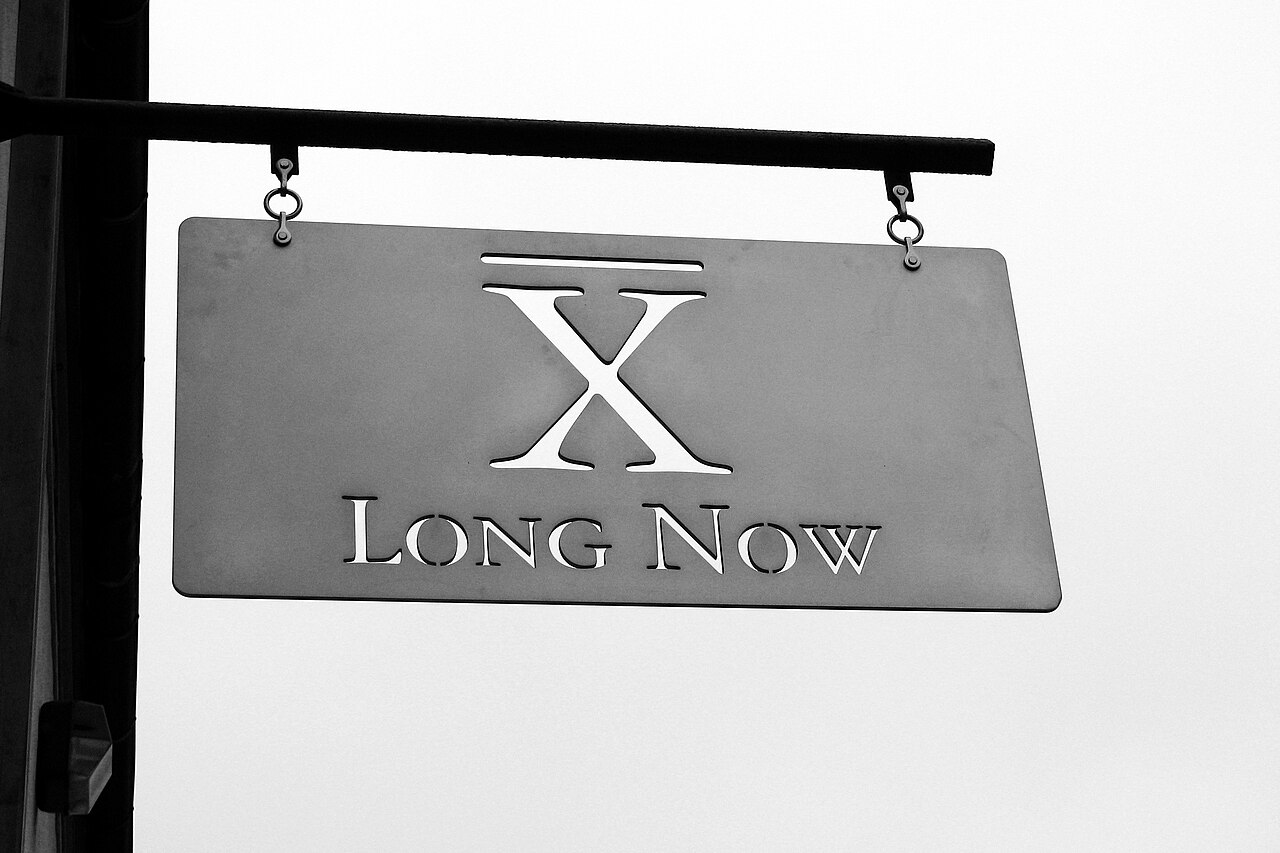
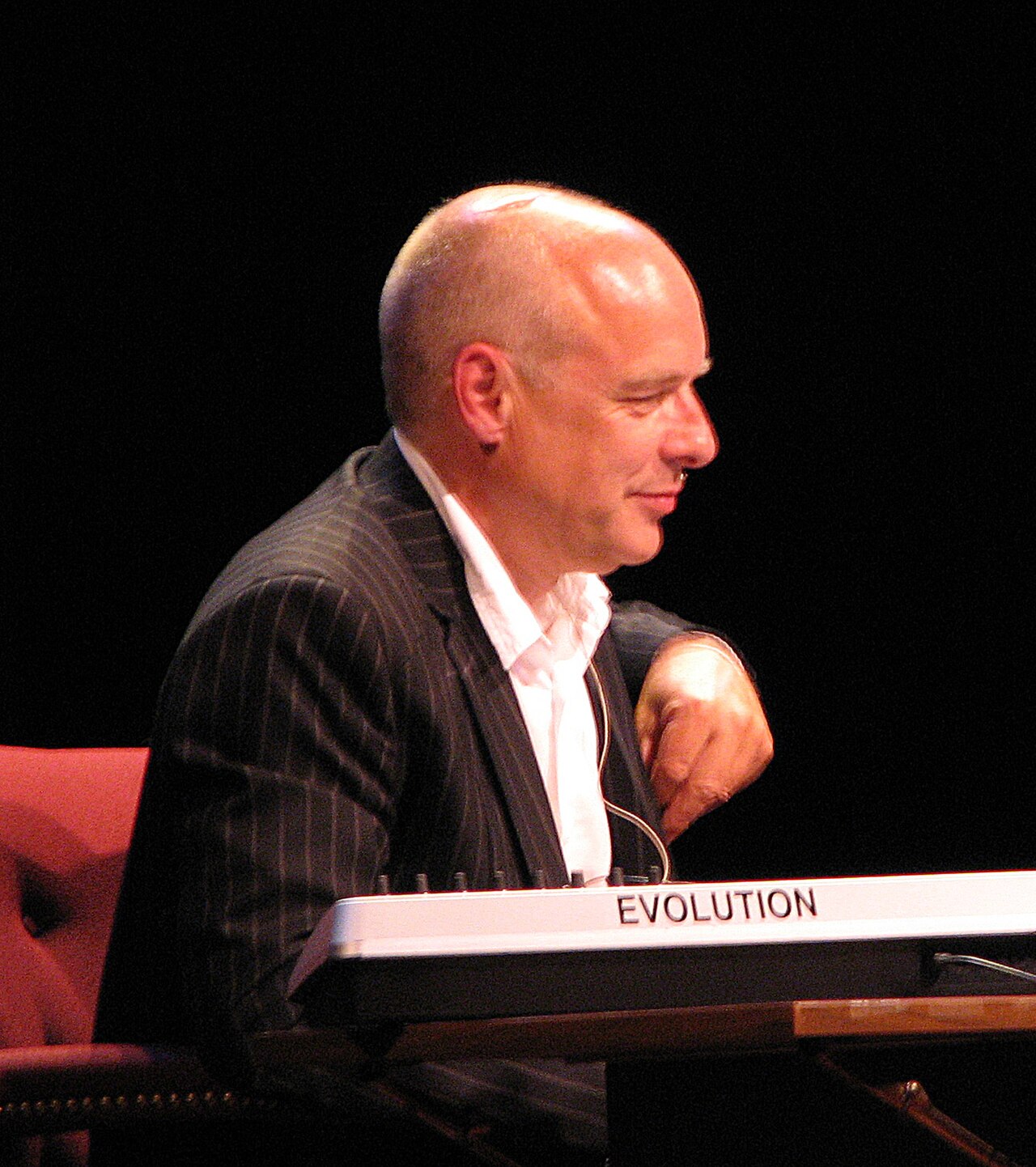
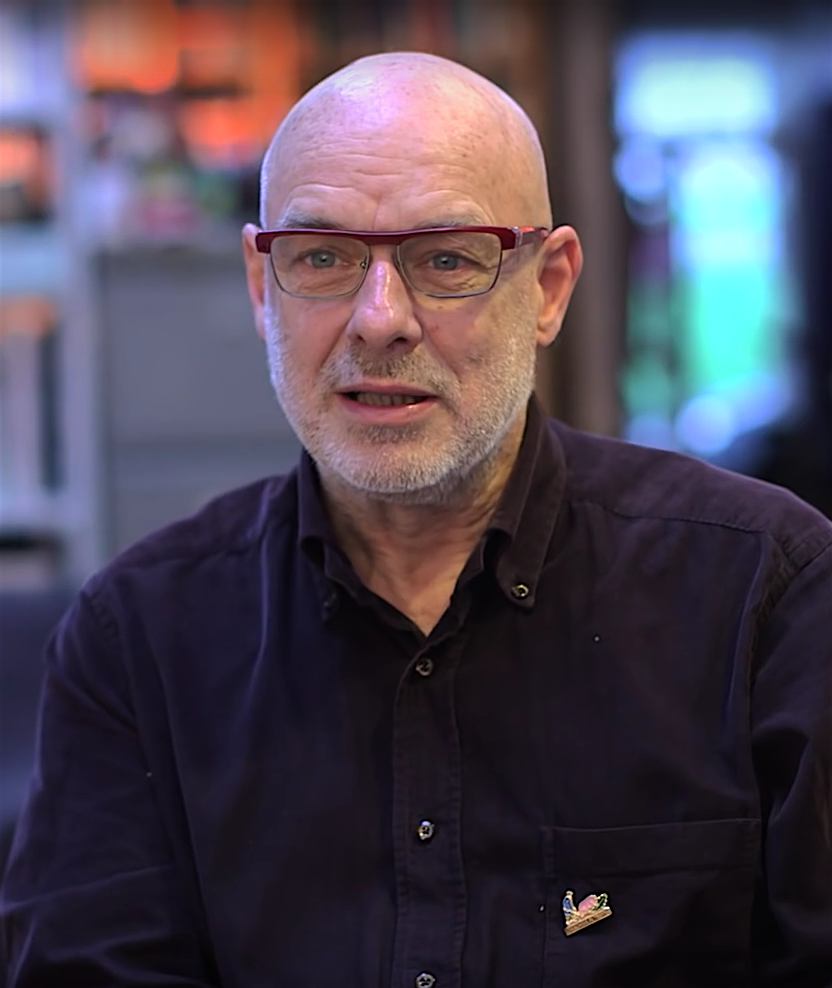
The Long Now Foundation is a San Francisco nonprofit, founded in 01996 by Whole Earth impresario Stewart Brand, parallel-computing pioneer Danny Hillis, and musician/artist Brian Eno — who supplied the name and coined "the Long Now" in his essay "The Big Here and Long Now" — to counteract civilization's shrinking attention span with deliberate ten-thousand-year thinking.
Its emblem and organizing device is Hillis's 10,000-Year Clock, first sketched in his 01995 Wired essay "The Millennium Clock," prototyped at the 01999/02000 New Year (now on display at London's Science Museum), with a full-scale mountain-housed version under construction in Van Horn, Texas, funded chiefly by Jeff Bezos.
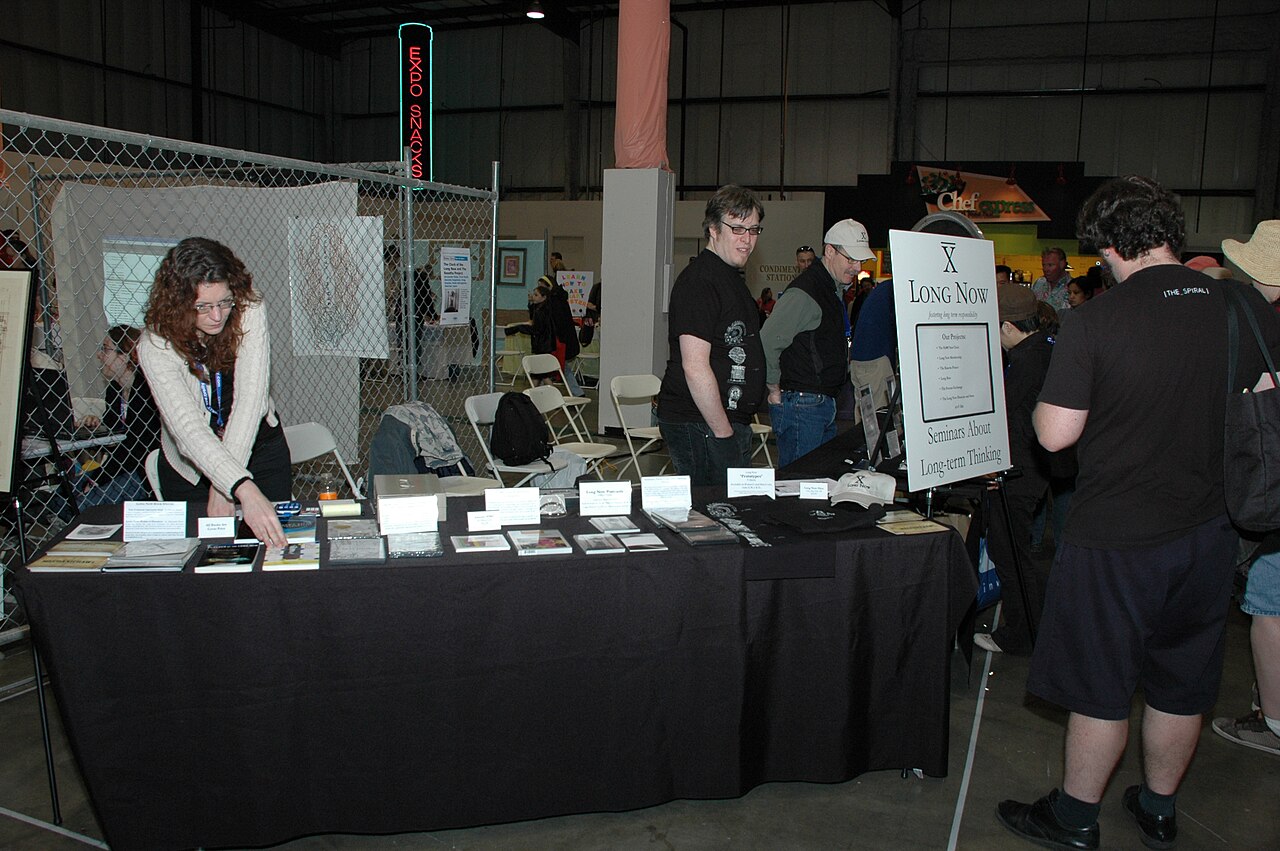
Around the Clock the foundation built a constellation of long-view practices — the Rosetta Project's archive of endangered languages, the Long Bets accountability wagers, the SALT seminar series (from 02003), and The Interval, its own café-salon at Fort Mason — all governed by Brand's "pace layers" model of civilization laid out in his 01999 manifesto-book The Clock of the Long Now.
The Governing Model · Pace Layers
Brand's diagram reads a healthy society as a stack of layers, each moving at its own tempo. The fast layers innovate; the slow layers remember and stabilize. Friction between them — not their alignment — is where resilience lives.
Fast learns · Slow remembers — the tempo of the Long Now
The Unifying Principle
Civilization suffers from pathological short-termism; fostering long-term thinking — through icons like a 10,000-year clock and practices of deep-time responsibility — is a cultural project worth undertaking.
“I want to build a clock that ticks once a year. The century hand advances once every one hundred years, and the cuckoo comes out on the millennium.”
Danny Hillis — the original sketch, 01995
The Mediums
A monument-scale mechanical clock, ticking once a year, chiming once a century — designed to keep time for ten millennia. The movement's galvanizing icon.
Seminars About Long-term Thinking, running from 02003 — a monthly salon that turned deep-time argument into a public ritual and canon.
Public, accountable wagers on the far future, staked with cash and a settlement date — betting as a discipline for taking predictions seriously.
From Eno's "The Big Here and Long Now" to Brand's manifesto-book — the founding texts that framed short-termism as civilization's core pathology.
Memetic Forces
The audacity of a clock designed to run for ten millennia made abstract long-termism tangible and moving — a machine you could stand beneath and feel small before.
A roster of famous founders — Brand, Eno, Hillis, Kelly — gave the project cultural gravity that a think-tank could never buy.
And the framing of short-termism as civilization's core pathology gave members a mission: not a hobby, but a diagnosis and a cure.
Convergent & Divergent Engines
Internal dynamics — a foundation and salon run by a Bay Area intellectual circle, advancing its mission through iconic projects, seminars, and publications rather than mass membership.
The Founding Circle
Archetypes · The Apocalypse / Millennium · The Noosphere / Great Mind · The Salon
From the Archive
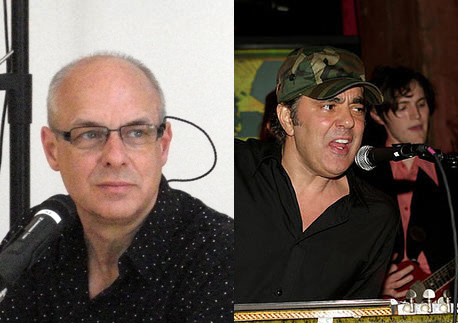
Society & Signature
It made "deep time" and long-term thinking part of the cultural conversation — seeding longtermism, existential-risk discourse, and a broader ethic of civilizational patience.
A famous founding circle turning long-term thinking into icons and rituals — a salon for deep time.
Living; its deep-time framing now woven through longtermism, existential-risk thought, and design culture.


