A Concert of Dance
Judson
Dance Theater
Judson Memorial Church · Washington Square · Greenwich Village, New York
Dancers who threw out virtuosity and put ordinary movement, task, and pedestrian bodies on stage.
The Eruption
Judson Dance Theater names not a company but a two-year eruption of collaborative concerts (1962–1964) staged in the gymnasium of Judson Memorial Church, Washington Square, by a loose confederation of dancers, composers, and visual artists who had passed through Robert Ellis Dunn’s composition workshop at Merce Cunningham’s studio.
Applying John Cage’s chance procedures and task-based scoring to choreography, they dismantled virtuosity, narrative, and spectacle in favor of pedestrian movement, untrained bodies, and democratically authored programs — inventing, across sixteen numbered concerts, the vocabulary later codified as “postmodern dance.”
The Score
The choreography is a set of instructions. Perform each in order; technique is not required.
Performing directions — four premises
- Move as a pedestrian moves — task-based, ordinary, unrehearsed of grace.
- Refuse virtuosity and refuse spectacle.
- Treat the everyday body as sufficient, whole, and already enough.
- Let the score and the rule be the choreography.
The Premise Held in Common
Any movement, including the pedestrian and the everyday, can be dance; choreography can proceed from tasks, rules, and scores rather than from technique and expressive display.
The Confederation
A short-lived, egalitarian collective of dancers, visual artists, and composers who workshopped and performed together with minimal hierarchy in a borrowed church — no name above any other on the program.
Passed through Robert Ellis Dunn’s composition workshop at Merce Cunningham’s studio; carrying John Cage’s chance and task methods onto the gymnasium floor.
Why It Spread
- Permission
- The liberating permission that ordinary movement could be dance opened the form to anyone and felt revolutionary.
- Milieu
- The downtown avant-garde milieu (Cage, Cunningham) supplied both method and validation.
- Collective energy
- Collective workshop energy made radical experiment low-risk and contagious.
What Drove It Together / Apart
Convergent engines
- Robert Dunn’s composition workshop as the shared crucible.
- Judson Memorial Church as a free, low-stakes venue.
- Cage-derived methods of chance and task.
Divergent engines
- The brief two-year burst before members went their own ways.
- Tension between conceptual rigor and expressive impulse.
- Dispersal into individually major careers (Rainer, Brown, Paxton).
The Ordinary Body, Downstream
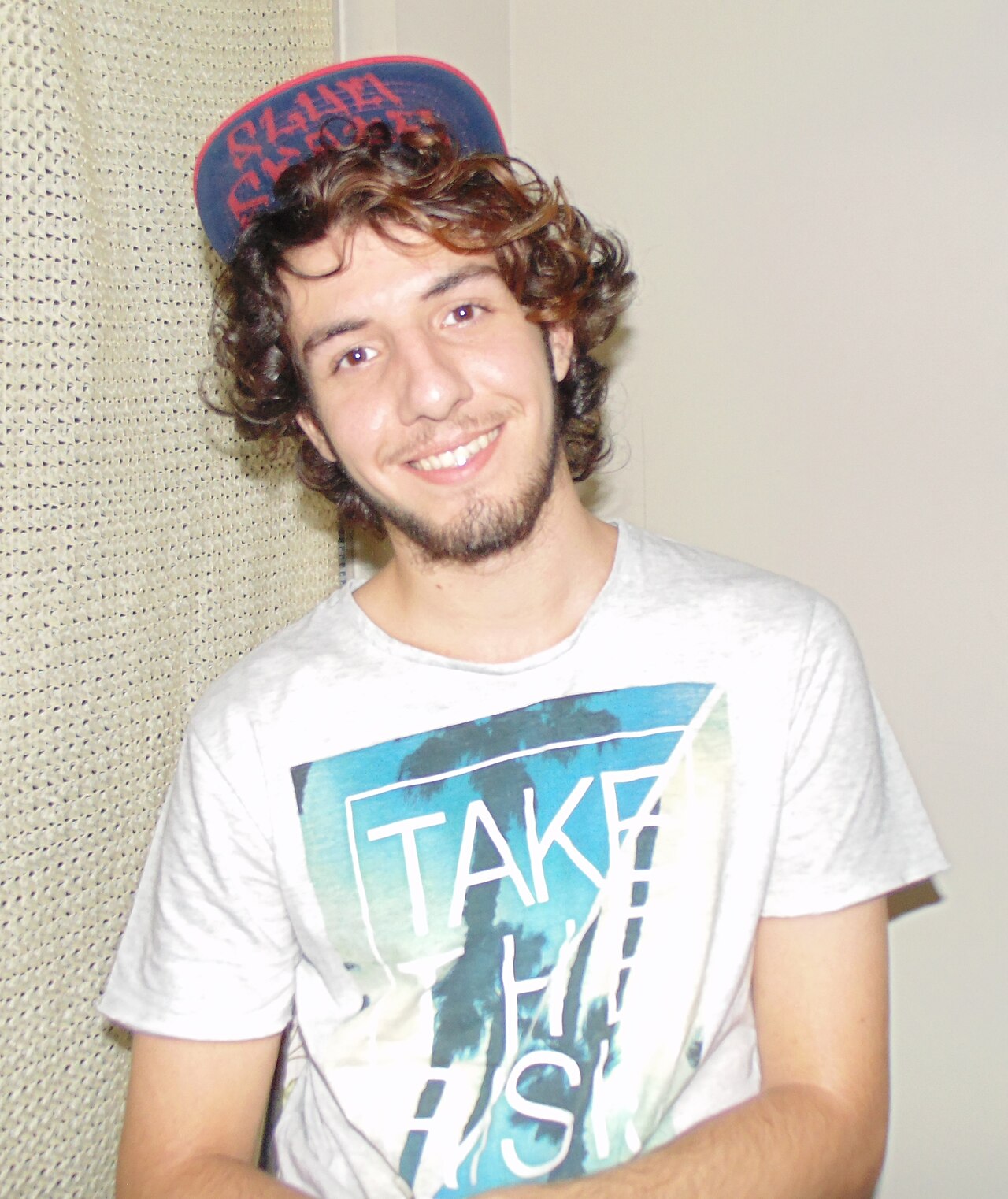
Judson’s premise — that an untrained, pedestrian body is already enough to make dance — travelled far beyond Washington Square. Its inheritance shows up in dance-makers a continent and half a century away.

The Legacy & The Dispersal
It founded postmodern dance and reoriented the whole art form toward task, score, and the ordinary body; it seeded contact improvisation and decades of experimental choreography.
The scenius signature: a workshop and a free venue letting a cross-disciplinary group redefine an art form in two years through shared radical premises.
Final direction
Dispersed by 1964 into a constellation of major individual careers that carried its premises into the mainstream of dance.
Working Materials
Mediums
Archetype