Nature herself the proper text
The Invisible College names the loose, largely epistolary fellowship of English experimentalists who, from the mid-1640s, agreed that knowledge should be built by hand and eye rather than inherited from Aristotle or scholastic disputation. Coined by Robert Boyle in letters of 1646–47 to describe “our invisible college” or “our philosophical college,” the term captured a scene with no charter, no building, and no membership rolls — only correspondence, occasional dinners, and a shared conviction that nature itself was the proper text.
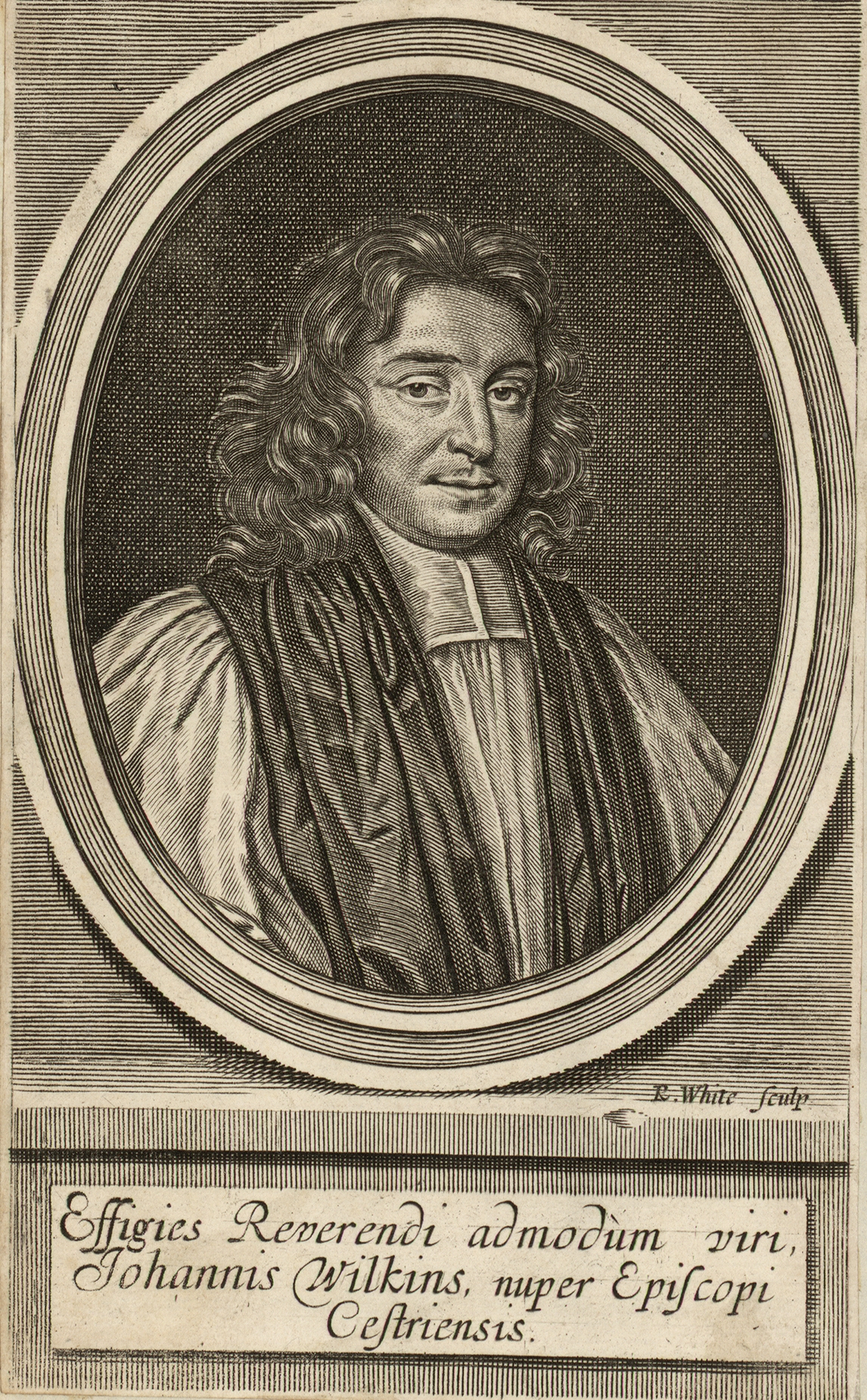
Marks of the College
- Witness & report — experiment witnessed and reported, not argued from authority.
- The post — correspondence as the connective tissue of knowledge.
- Before peers — the demonstration before an audience of peers.
- Use — useful knowledge for the “relief of man’s estate.”
❧ ❦ ❧
Knowledge of nature should be built from witnessed, repeatable experiment and shared openly among a community of inquirers — not deduced from ancient authority.
Why it caught
Three forces carried the College. A genuinely new method — the controlled experiment — promised to settle disputes that nature herself would arbitrate, ending the endless quarrel of the schools. Civil-war England had scattered scholars and made a neutral, apolitical space of natural inquiry attractive and safe. And gentlemanly virtuosity — the doing and showing of experiments — became a mark of the cultivated modern mind.
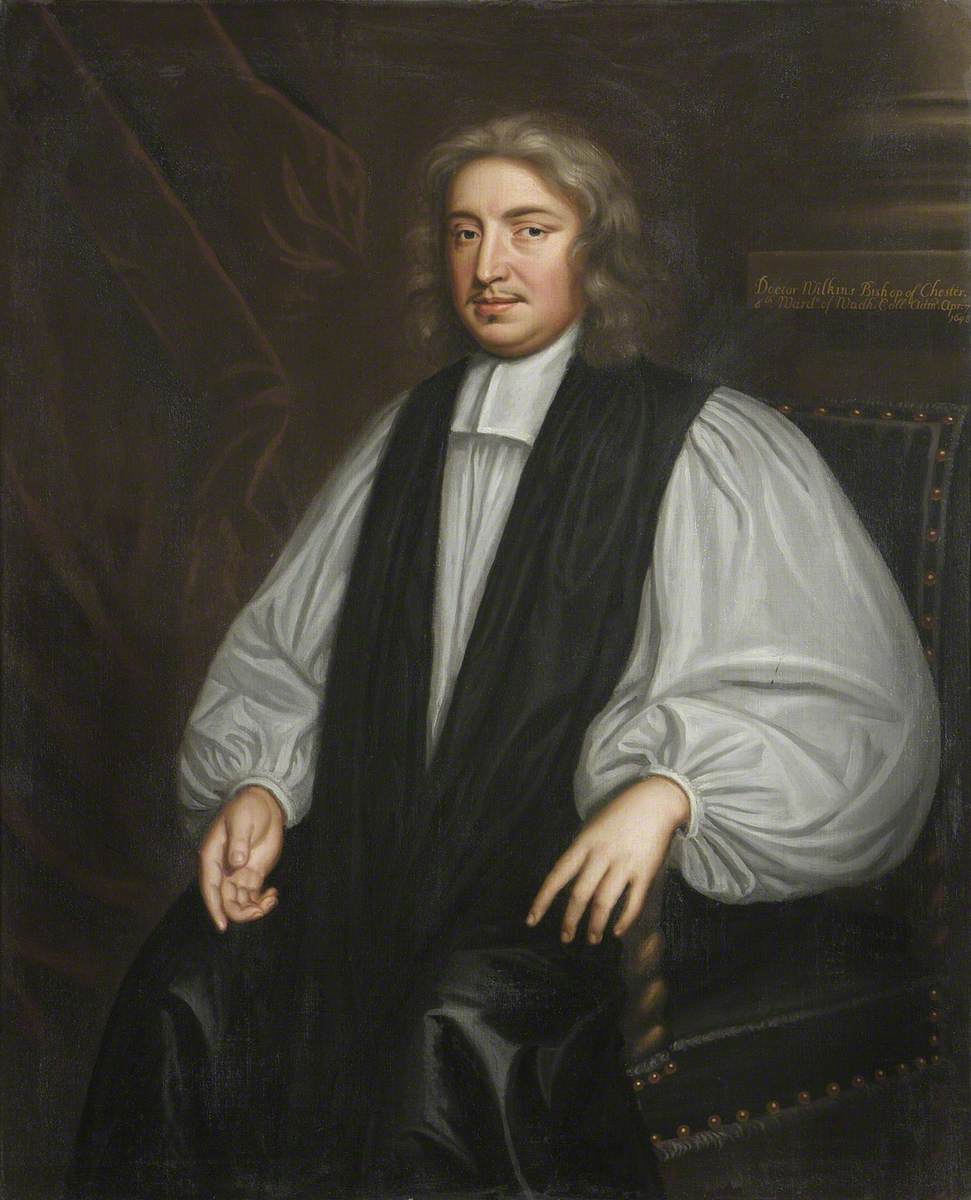
That which bound, and that which loosed
Convergent — that which bound
- Regular meetings to witness experiments together.
- A Baconian programme, giving the group a shared method and mission.
- Hub-correspondents relaying news among scattered members.
Divergent — that which loosed
- The political turbulence of the Interregnum and Restoration.
- The pull between the London and Oxford factions.
- Its own success — formalization into the Royal Society changed its informal character.
The temper of the circle
A loose, self-selecting circle of natural philosophers with no charter, bound by friendship, correspondence, and shared curiosity — a company that met to try experiments and compare results. Its mediums were the plainest instruments of a scattered fellowship:
A small circle that turned private curiosity into a public, cumulative method — sustained face-to-face witnessing plus correspondence, producing a new way of knowing.
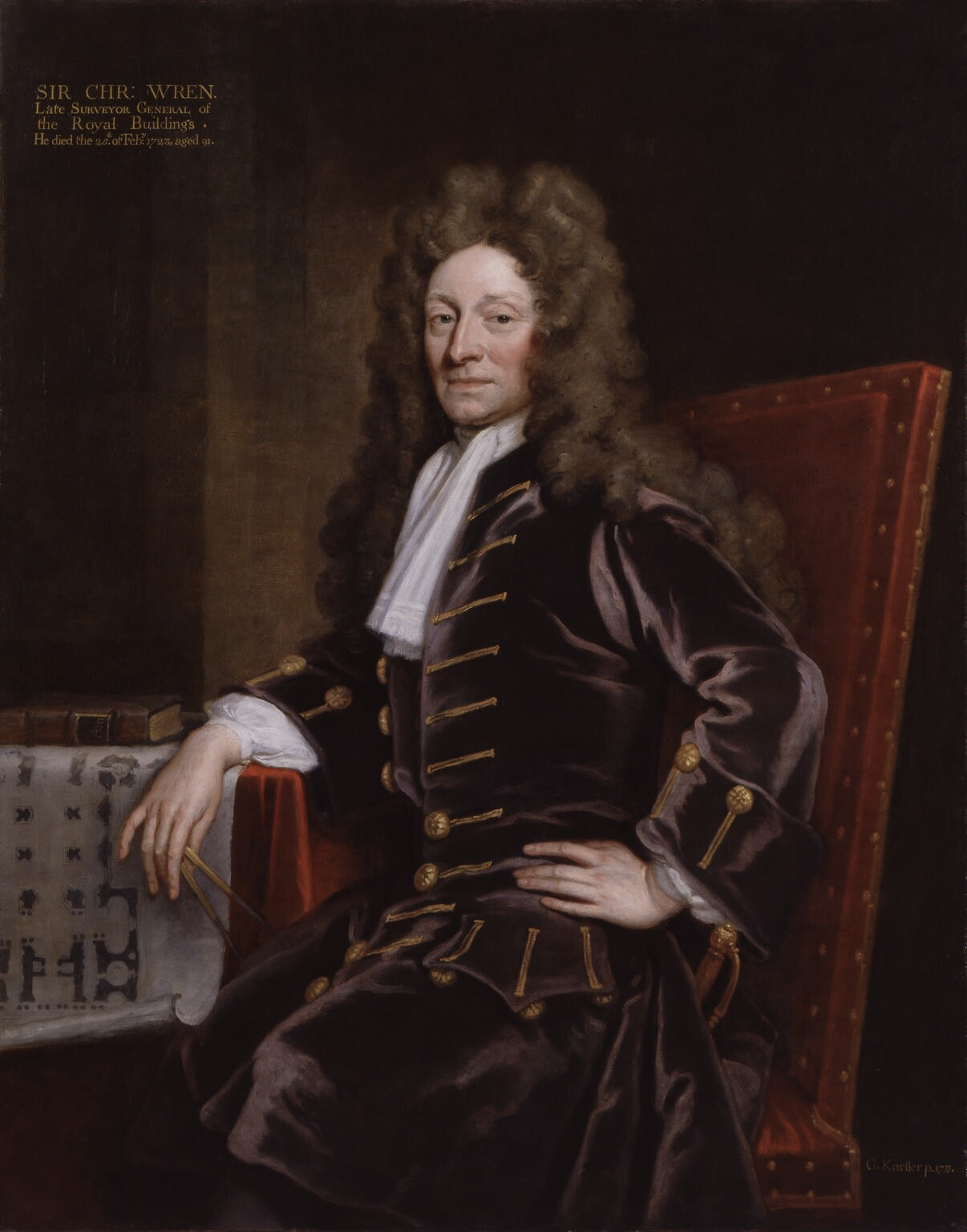
What it became
The College hardened into the Royal Society in 1660 — founding the modern scientific society, the experimental report, and the norm that natural claims must be publicly demonstrable. It is the institutional root of organized science.
So its fate was to be institutionalized into the Royal Society, its informal ideal preserved as the founding myth of the scientific community: the charterless college that never quite disappears, because every laboratory since has been, in some measure, invisible.