I · The Back Room
The Inklings were an informal Oxford literary circle that met through the 1930s and 40s, most famously in C.S. Lewis's college rooms and the back room of the Eagle and Child pub. Tolkien, Lewis, Charles Williams, and Owen Barfield read work aloud to one another over beer and argument — chapters of The Lord of the Rings and Lewis's fiction were first heard here, in a room, before they were books.
Bound by Christian faith, a love of northern myth, and a shared suspicion of literary modernism, the group operated as a mutual-encouragement engine more than a doctrine. Its outsized legacy is modern fantasy itself: Middle-earth and Narnia, and the whole worldbuilding culture that followed, were incubated in that reading circle.
Myth is not a lie but a way of telling the deepest truths; the storyteller is a sub-creator echoing the divine, and imagination is a road to the real.— the unifying principle of the circle
II · Marks in the Margin
The recurring motifs
- ❦Reading aloud in progress
- ✧Myth and sub-creation
- ✝The Christian imagination against modernity
- 🜂The pub as hearth
- ❈The northern, the heroic, the numinous
III · The Company
Those who gathered
- TJ.R.R. TolkienPhilologist of Middle-earth; the reluctant, exacting reader-aloud of an endless legendarium.
- LC.S. LewisThe circle's warm centre and impresario; apologist, and maker of Narnia.
- WCharles WilliamsPoet and novelist of the numinous; the arriving stranger who charmed and unsettled.
- BOwen BarfieldPhilosopher of language and imagination; the "First and Last Inkling," Lewis's oldest sparring partner.
IV · What Kept the Fire
Memetic forces
- Reading unfinished work to sharp friends supplied both nerve and correction — a private audience that made vast projects finishable.
- A shared faith and distaste for modernism gave the circle a cause, not just a hobby.
- Oxford donnish sociability made the meetings a pleasure that sustained decades of labor.
V · The Ledger of the Circle
What drew them together — and apart
Convergent engines
- Twice-weekly meetings — the Eagle and Child, Lewis's rooms.
- The practice of reading work-in-progress aloud.
- Deep friendship and a shared Christianity.
Divergent engines
- Tolkien's coolness toward Charles Williams and toward Lewis's fame.
- The slow drift as members died or moved.
- No doctrine or organization to hold it once the friendships frayed.
VI · Likenesses & Hearths
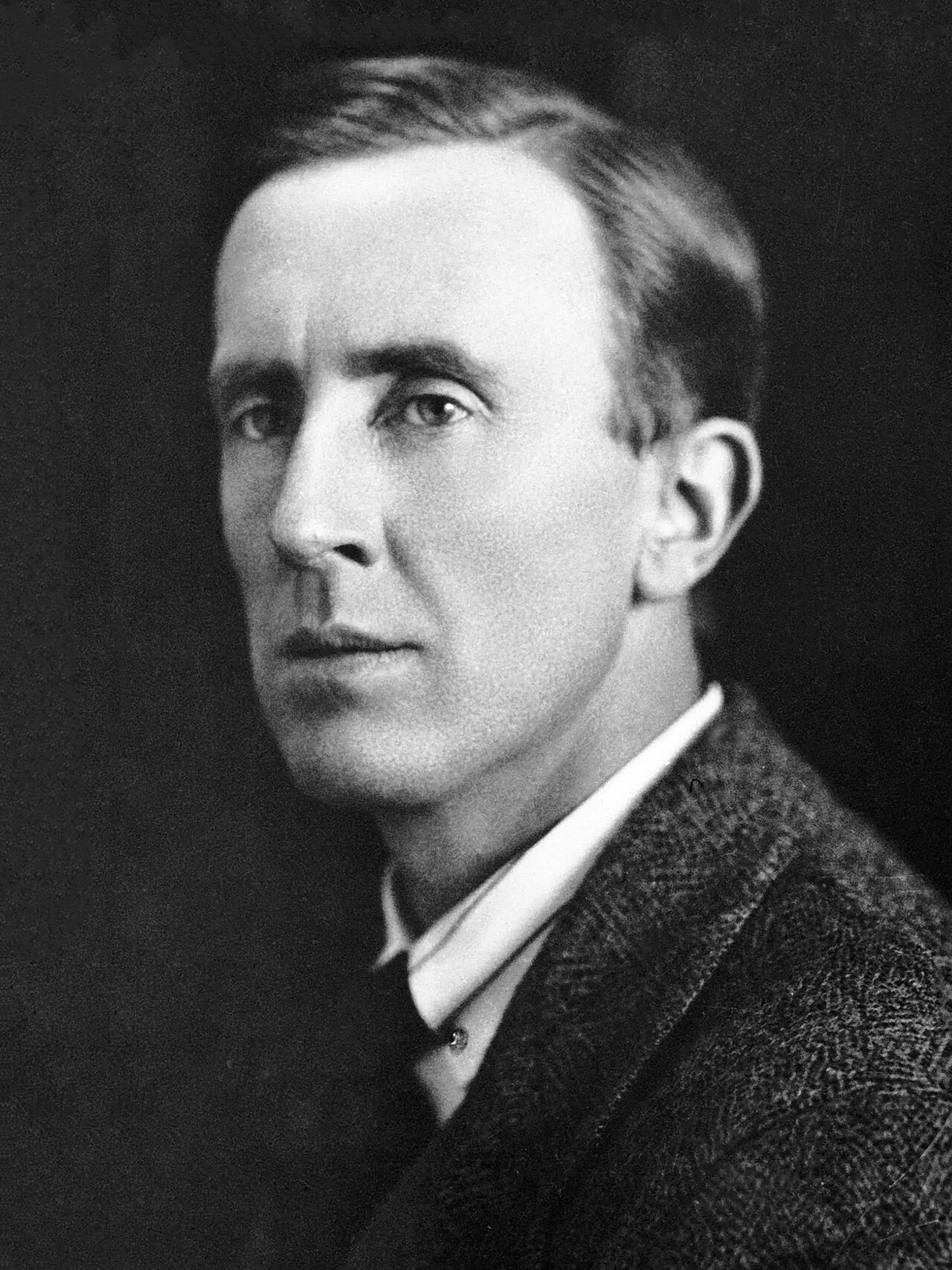
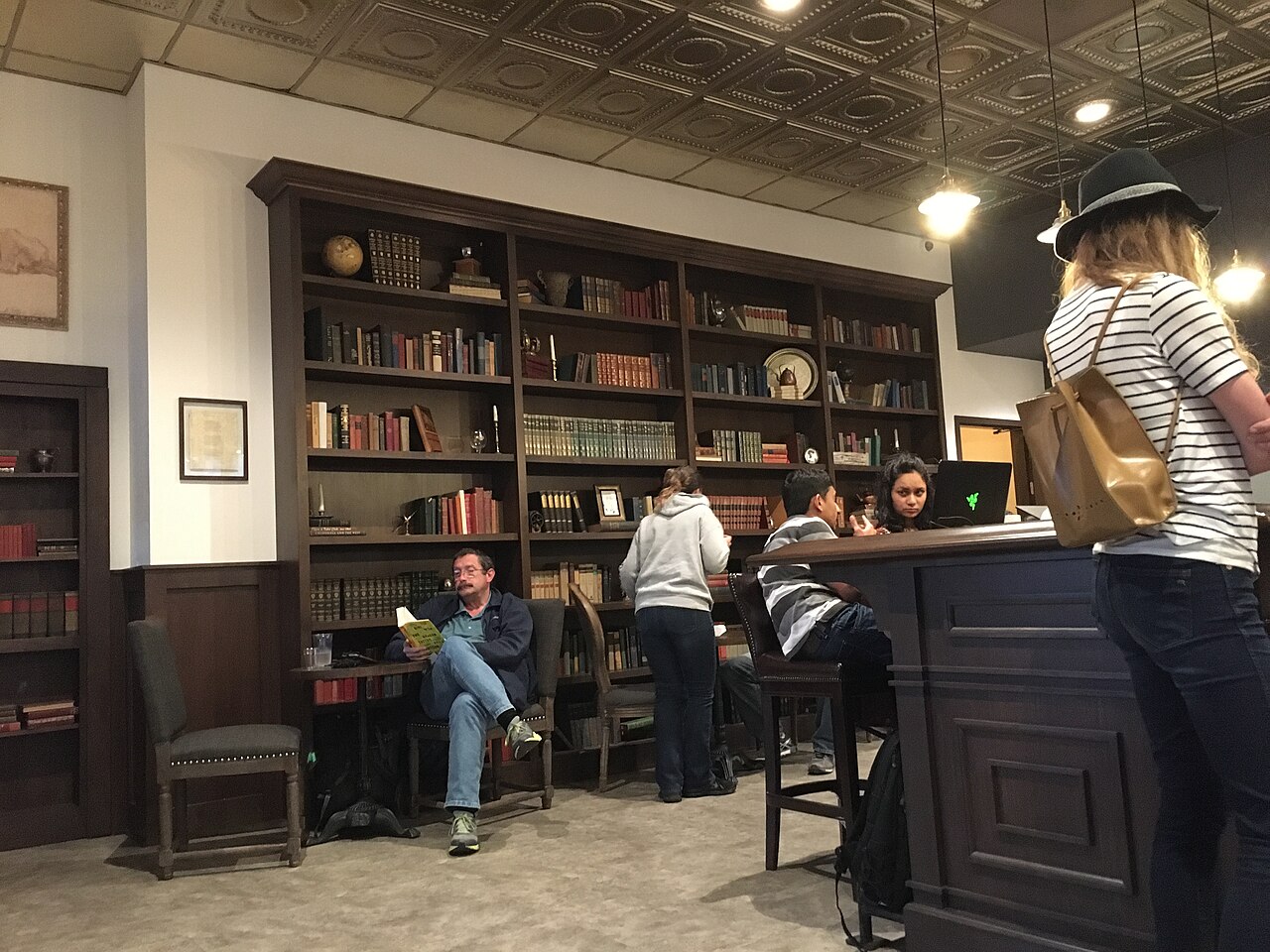
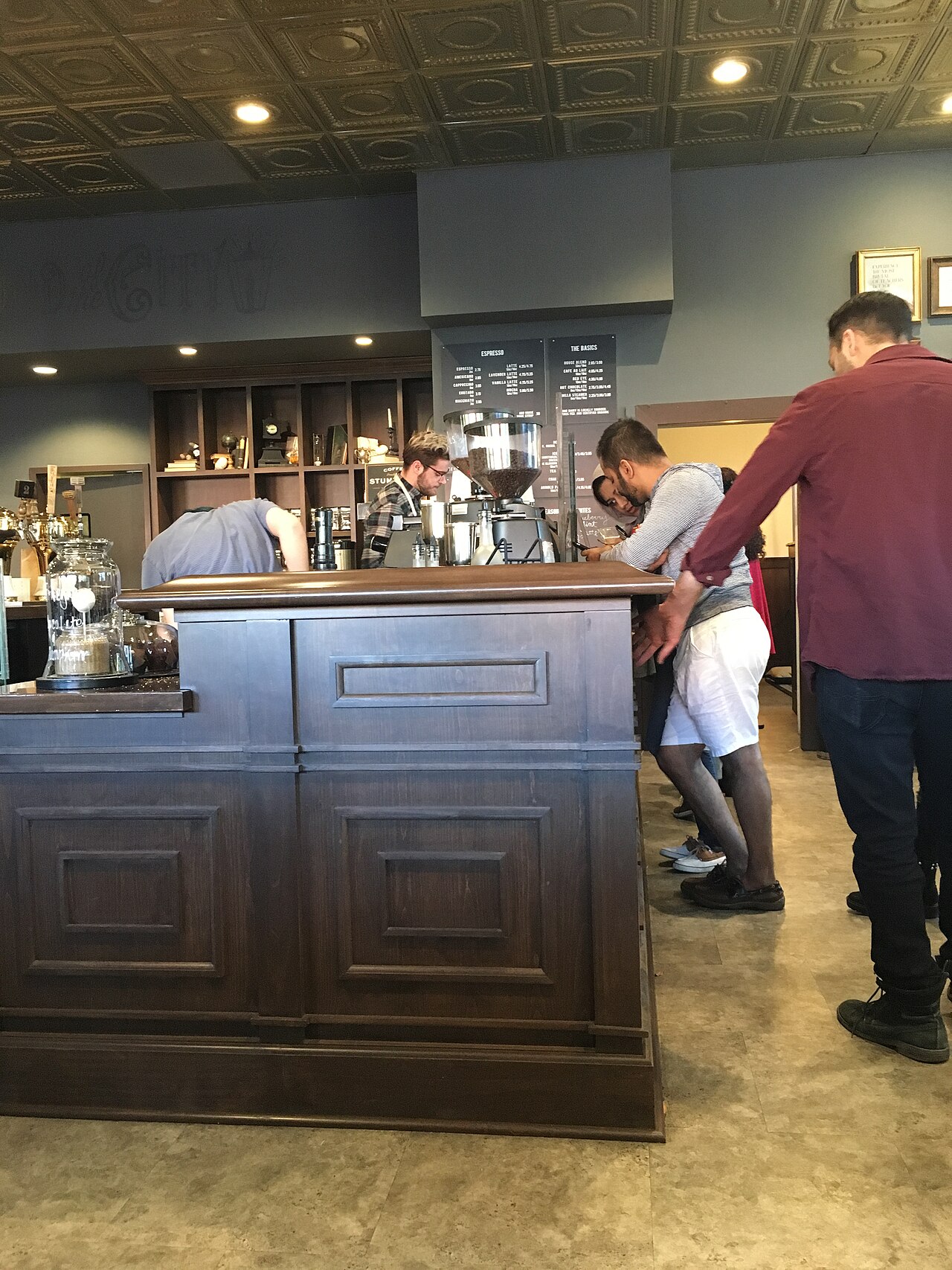
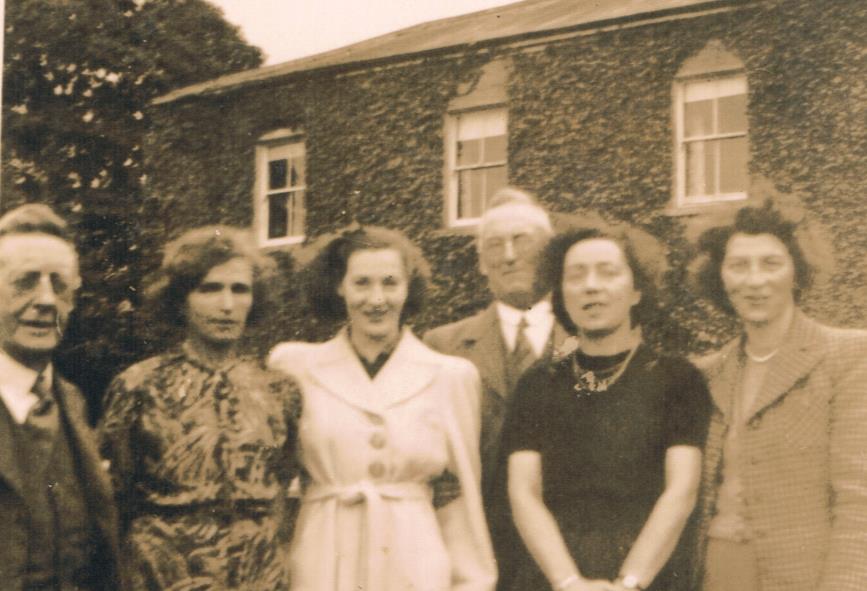
Plates from the record




VII · The Life of the Room
Internal dynamics
An informal male friendship-circle with no rules, minutes, or membership — authority was affection and wit; it lived and died with the personal bonds of Lewis and Tolkien.
Scenius signature
A hearth where world-sized private mythologies were read aloud into being, each writer the others' first and most demanding reader.
VIII · What It Left
Society & aftermath
Produced The Lord of the Rings and the Narnia books — the fountainhead of modern fantasy, worldbuilding, and a vast Christian-imaginative literature.
The fate of the circleDissolved with its members; metabolized into a global fantasy genre and an industry of imitators of the very depth it prized.
Colophon
Keyed to the standard published literature on this scene — representative, not exhaustive.
- Humphrey Carpenter, The Inklings (1978) — the standard group biography
- Diana Pavlac Glyer, The Company They Keep (2007)
- Philip & Carol Zaleski, The Fellowship (2015)
Mediums: reading aloud · the pub · the novel. Archetype: The Salon. All images used under their stated licenses with attribution above; the café interiors are a present-day namesake, shown as homage, not as historical record of the Oxford circle.