

An institute that turned futurism into a rigorous, teachable craft — foresight as a profession.
§06
Personnel
Founding cadre
RAND alumni founders
Forecaster
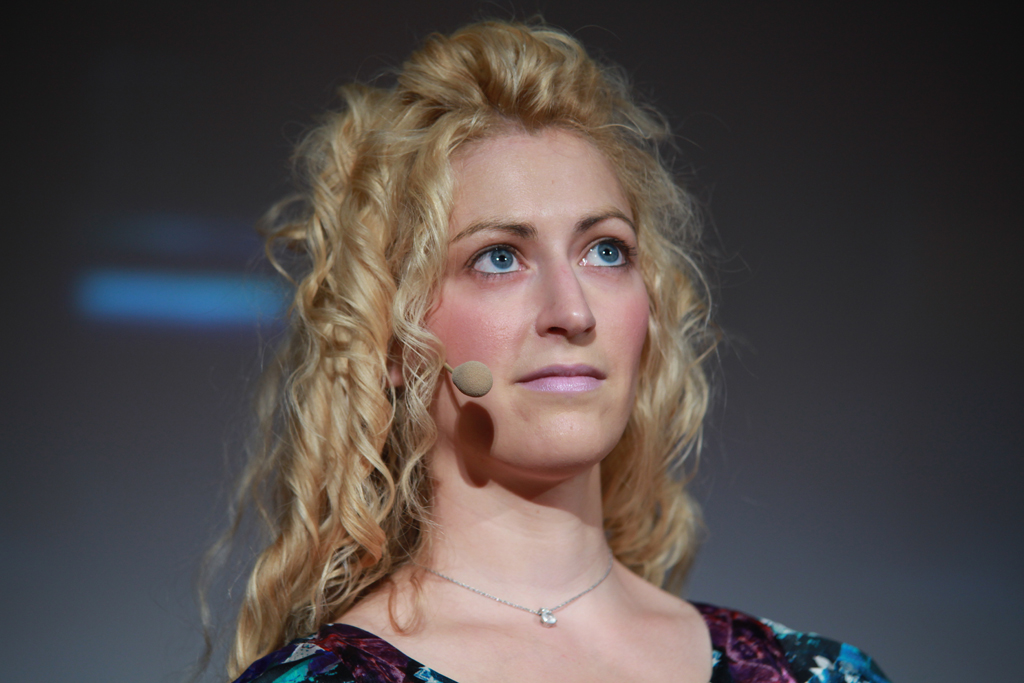
Paul Saffo
Game designer
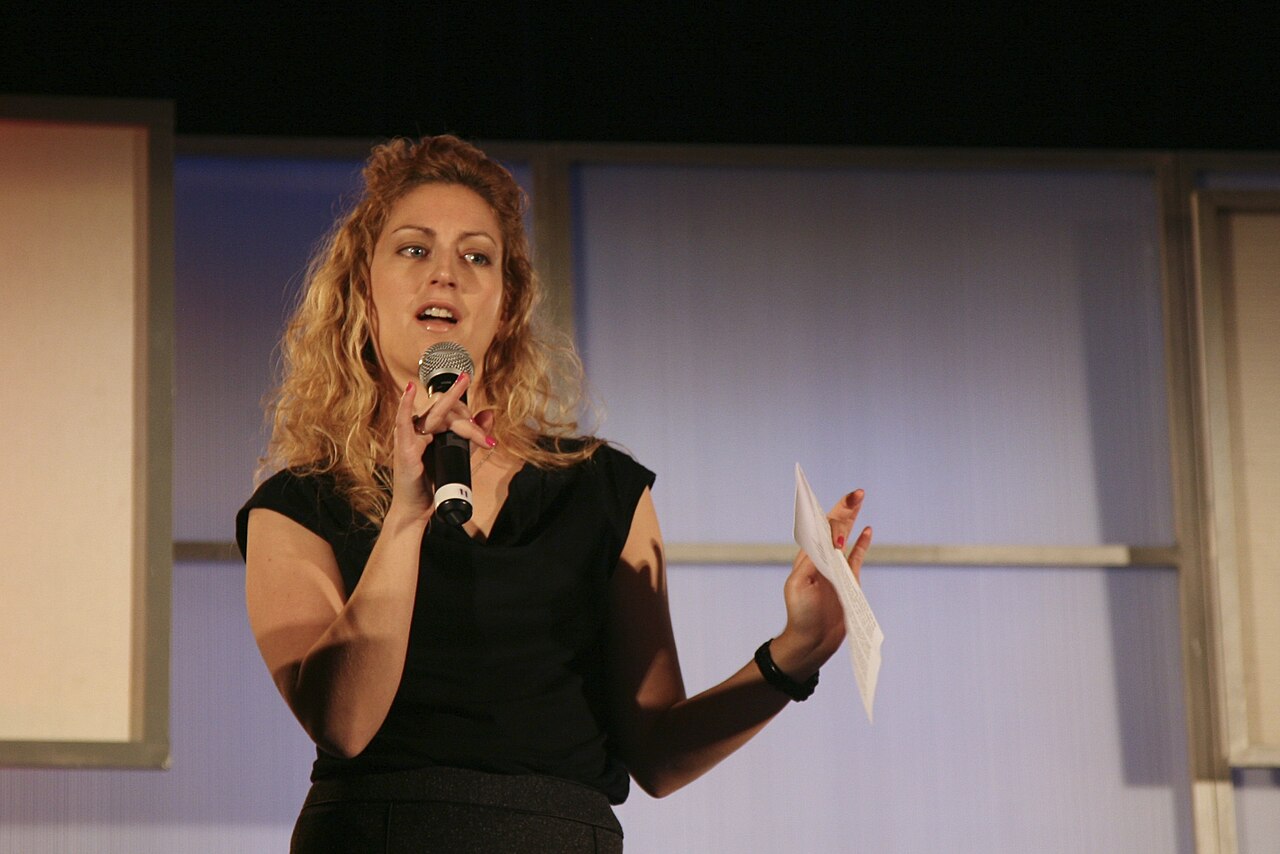
Jane McGonigal
A long-running futures-research nonprofit turning forecasting and scenario methods into a professional practice for institutions.
The Institute for the Future is what happens when Cold War operations research decides to stop pointing at the Soviet Union and start pointing at the calendar. Founded in 1968 by RAND alumni Olaf Helmer, Frank Davidson, Paul Baran, Theodore Gordon, and Arnold Kramish on a Ford Foundation grant, IFTF took the quantitative apparatus RAND had built for war-gaming nuclear strategy — expert elicitation, scenario cross-impact matrices, systems modeling — and re-pointed it at civilian horizons: telecommunications, health, cities, climate, corporate strategy.
It is less an avant-garde than a bureaucratized frontier outpost, a scene whose radical act was not aesthetic rupture but the institutionalization of organized imagination itself: making “the future” into a deliverable, a subscription product, a discipline with its own journal, its own method (Delphi), and eventually its own client base of Fortune 500 corporations via the 1975 Corporate Associates Program.
The future can be studied rigorously — not predicted but mapped — to help institutions make wiser long-range decisions.
Fig. 1 — The house horizon. Not prediction; a probability field surveyed with signals, forecasts, and scenarios.
Forecasting and scenario work treated as a professional, teachable craft.
A signature middle distance — far enough to matter, near enough to act on.
The map, the scenario, the foresight game — imagination made tangible.
Structured foresight built for corporations, agencies, and cities.
| Factor → | Toolkit | RAND model | Long programs |
|---|---|---|---|
| Professional method toolkit | + + compounds | + validates | + sustains |
| RAND-derived institution | + credibility | — | + funds |
| Long client / research programs | − consulting pull | + continuity | — |
The core deliverable: probable futures surveyed and charted.
Divergent stories of how the next decade could plausibly unfold.
Playable simulations — later McGonigal's signature — to rehearse the future.
The house organ: the numbered, subscribed, distributed technical document.
Internal dynamics — A long-running nonprofit futures-research institute turning forecasting into a professional discipline for institutional clients.
Society impact — Professionalized strategic foresight and scenario planning; trained the field and normalized structured futures thinking across business and government.
The radical act was not aesthetic rupture but the institutionalization of organized imagination.
An institute that turned futurism into a rigorous, teachable craft — foresight as a profession.
One of the durable homes of professional futures studies, its methods now industry-standard.