Homebrew Computer Club
The hobbyist club where the personal computer was born from a collision of counterculture idealism and hacker craft.
The dispatch
A peer-to-peer information commons
Meeting notice — bring your machine
The Homebrew Computer Club was a biweekly gathering of electronics hobbyists, hardware engineers, and countercultural tinkerers that met from March 1975 to December 1986, first in Gordon French's Menlo Park garage and soon in a Stanford Linear Accelerator Center auditorium, convened in direct response to the arrival of the MITS Altair 8800 kit. Structured around Lee Felsenstein's ritualized “mapping period” of announcements and “random access” show-and-tell, and bound together by Fred Moore's mimeographed newsletter and an explicit ethos to “give to help others,” it functioned less like a company or an ideology than a peer-to-peer information commons — a garage-scale scenius that supplied the talent, schematics, and demo culture from which the personal-computer industry, Apple foremost among its offspring, was built.
Vol. 1Random access · who's in the room
The roster
Internal dynamics
The meeting was the machine
A leaderless hobby club whose real engine was the open “random access” sharing period each meeting; its egalitarian gift-culture was, ironically, the launchpad for enormous private fortunes.
The mapping period
Felsenstein opens the floor. Announcements, rumors, who-needs-what — the room maps itself: every problem posted, every part sourced, every question routed to whoever can answer it.
Random access
Show-and-tell. You bring the thing you built and demo it. Schematics change hands for free. The proof is the working board on the table — not a spec, not a pitch.
Mediums & archetypes
How it transmitted
Unifying principle
Computer power to the people
Motifs
The recurring signals
- the personal computer as a tool of liberation
- “computer power to the people”
- sharing schematics freely (the swap)
- the demo — showing what you built
- the garage as workshop
- the sheer thrill of a computer you could own and control, at a moment when computing meant distant corporate mainframes — revolutionary and bonding
- a gift-culture of freely shared designs accelerated everyone's progress (network effects of tools)
- counterculture politics gave the hobby a mission: decentralize power by putting computers in individual hands
Convergent & divergent engines
What pulled it together — and apart
- the regular in-person meeting (the “mapping period” of open sharing)
- the newsletter
- a shared hobbyist-countercultural ethos
- the Altair as a common starting kit
- the arrival of commerce — Gates's “Open Letter to Hobbyists” attacking free software-sharing — split idealists from entrepreneurs
- success: members left to found ~20+ companies, including Apple
- the maturing industry outgrew the club format
Society impact
What it seeded
Directly birthed the personal-computer industry — Apple and much of Silicon Valley traces here — and encoded a lasting tension between the hacker gift-ethic (open source) and proprietary commerce.
The offspring
What the garage composted into
The club dissolved as its members industrialized the very thing they'd shared freely — composting into Apple, Silicon Valley, and the permanent open-vs-proprietary argument. Portraits of the people and places it became:
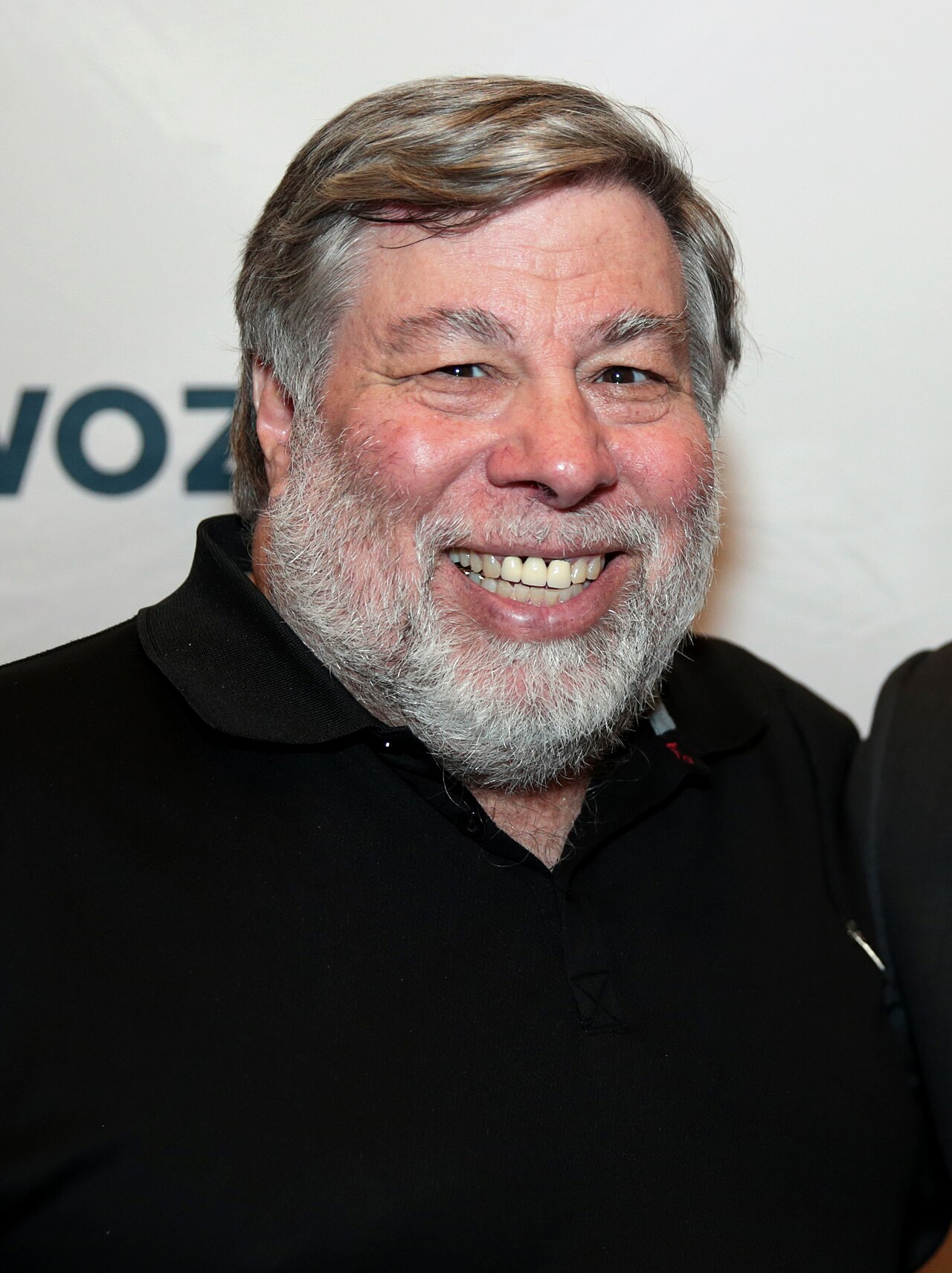

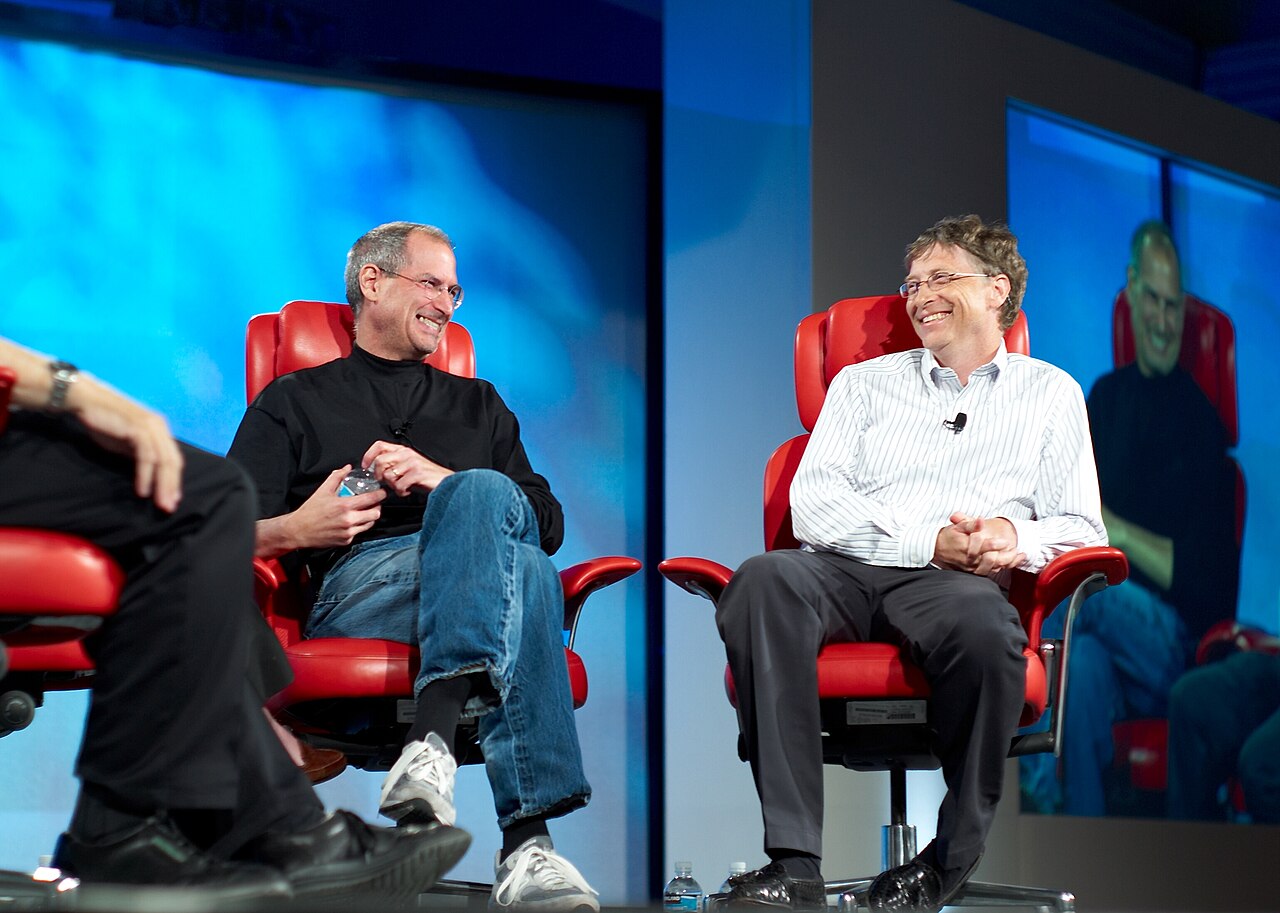
.jpg)
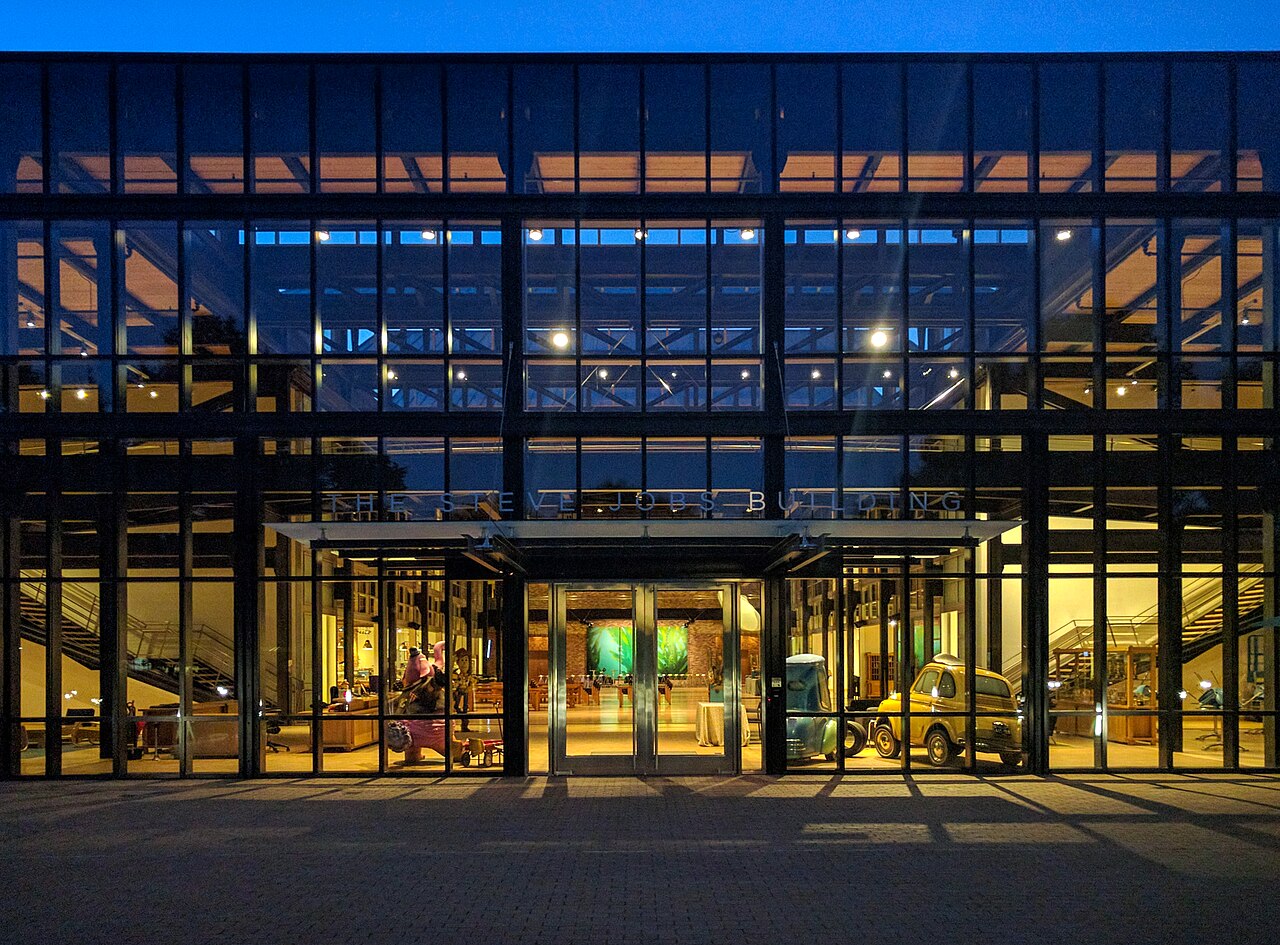

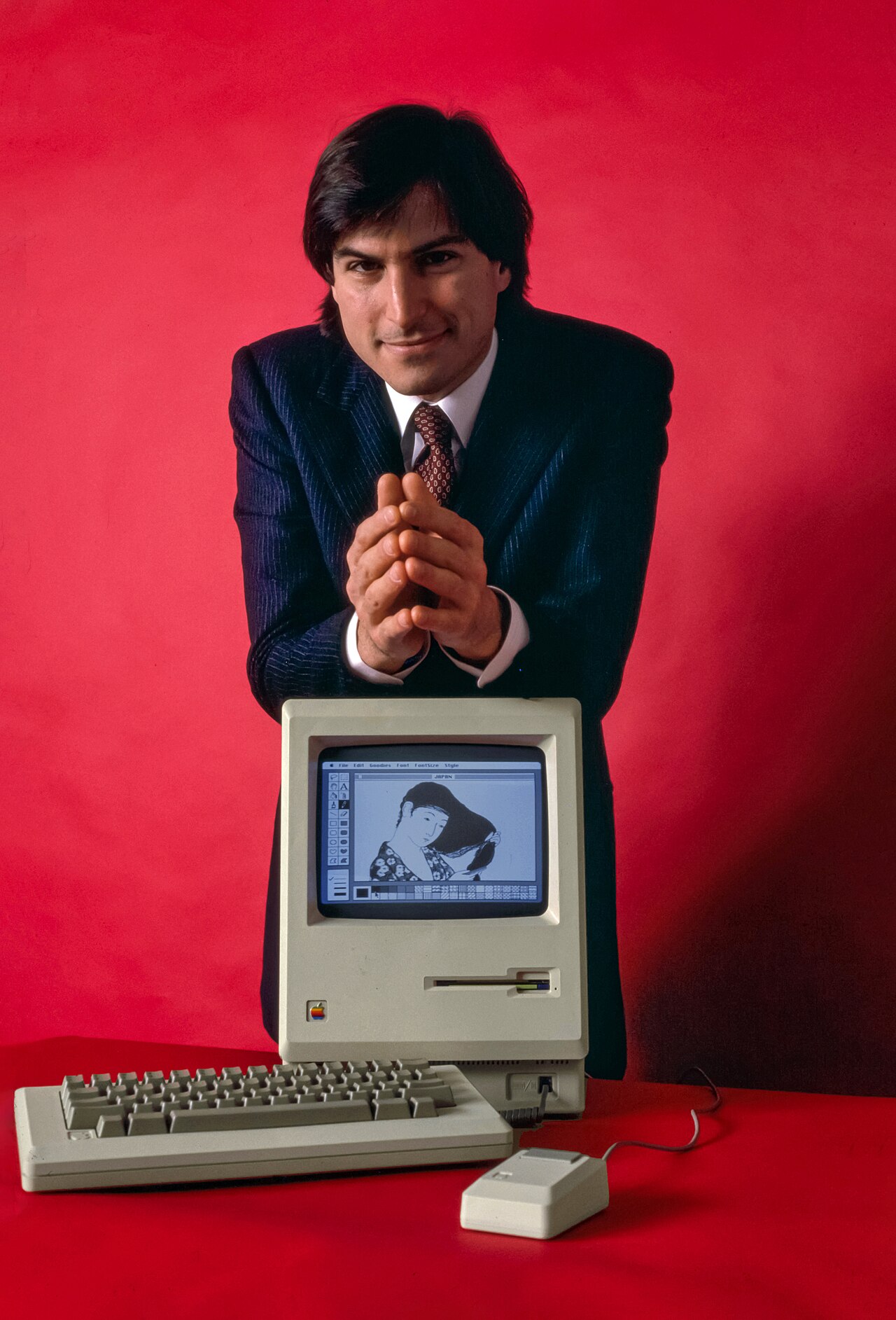

Fate
Dissolved into what it built
Image credits
- “Steve Wozniak” — Gage Skidmore, CC BY-SA 3.0 — Wikimedia Commons
- “Steve Jobs and Bill Gates (D5, 2007)” — Joi Ito, CC BY 2.0 — Wikimedia Commons
- “Steve Jobs Building at Pixar” — Grendelkhan, CC BY-SA 3.0 — Wikimedia Commons
- “Steve Jobs and Macintosh computer, January 1984” — Bernard Gotfryd (edited from TIF by Cart), Public domain — Wikimedia Commons