Hakim Bey
& the Zone
T·A·Z
The poetic anarchism that coined the TAZ and “poetic terrorism,” fusing pirate history, Sufism, and immediacy.
The Text That Was a Scene
Hakim Bey was the pen name of Peter Lamborn Wilson, whose 1991 book T.A.Z.: The Temporary Autonomous Zone became an underground touchstone of poetic anarchism. Weaving pirate history, Sufi mysticism, and Situationist theory, Bey argued that in an age when the state can crush any permanent revolution, liberation is better found in the temporary, festal seizure of space and time — the party, the commune, the pirate utopia — that evaporates before power can react.
The idea of the TAZ, and the companion notion of “ontological anarchy,” spread through zines, pirate radio, and the early internet, giving a name and a philosophy to rave culture, Burning Man, and later horizontalist movements.
Note, carried plainly: Wilson’s separately voiced views drew serious, warranted condemnation. The concept below is documented on its own terms; the record of its author is not softened.
Motifs / The Recurring Marks
The Unifying Principle
The One InstructionDon’t wait for the revolution that always betrays itself; seize temporary autonomous zones of intensified life that evaporate before power can capture them.
Memetic Forces / Why It Spread
- The TAZ named something ravers and hackers were already feeling — a shareable theory of the pop-up free space.
- Aphoristic, quotable, freely-copied pamphlet prose spread like samizdat.
- Fusing Sufism, anarchism, and pirate history gave it exotic, initiatory glamour.
Libertalia / The Pirate Utopia
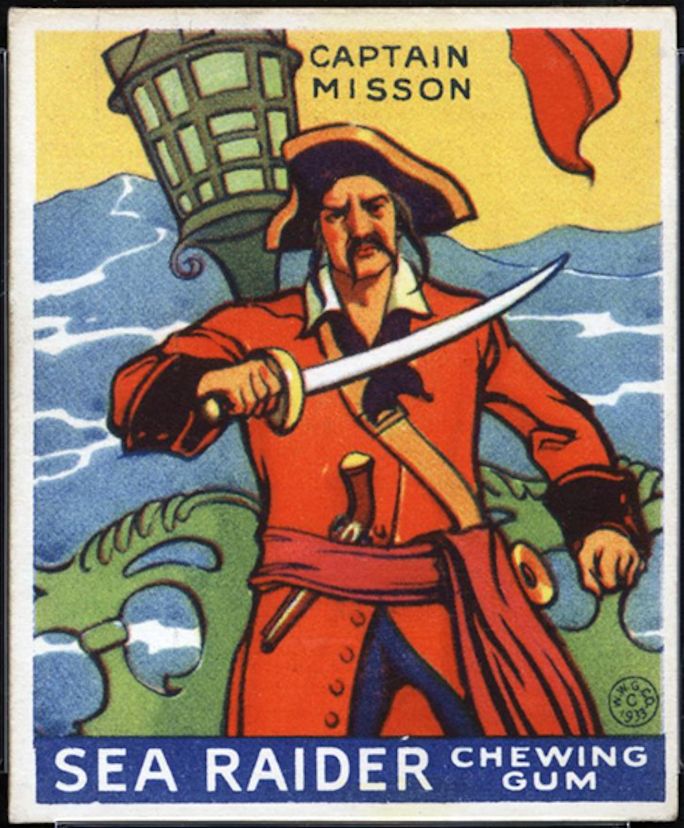

The pirate utopia was Bey’s working model of the TAZ.
A rogue enclave that flourished off the maps and the calendars, self-governing for a season before the empires closed the sea — free precisely because it never tried to last. Bey read such fugitive settlements as proof that autonomy is real, festal, and inevitably temporary.
Convergent & Divergent Engines
What pulled it together
- the free-photocopied pamphlet (T.A.Z.)
- Autonomedia’s distribution
- a single pseudonymous theorist
What flung it apart
- the concept’s very portability — everyone read their own scene into it
- later revelations about the author damaging the legacy
- the idea outrunning and abandoning its author
Internal Dynamics
No group — only a textEssentially one writer’s aphoristic output radiating into many scenes; there was no group, only a text that others inhabited.
Impact & Fate
Gave rave, hacker, and festival cultures their self-understanding; the phrase TAZ entered activist and net vocabulary and shaped Burning Man’s mythos.
The theory long outran the man and was later shadowed by his disgrace; the TAZ concept persists, uneasily severed from its source.
Field Card
Figures
- Peter Lamborn Wilson
Mediums
- the pamphlet
- the essay
- pirate radio
- the communiqué
Archetypes
- The Autonomous Zone
- The Trickster
Biome
- Stage & Street
A single pamphlet that handed a generation of scenes the words for what they were already doing.