ZERO

A postwar “zero point” movement of light, motion, and monochrome seeking a fresh start beyond gesture.

Group Zero Düsseldorf (international) Avant & Anti-Art Piene · Mack · Uecker

The Threshold

Zero was not nothing —
it was the silence before ignition.

Group Zero began as two art students turning their Düsseldorf studio into a stage for one-night “evening exhibitions,” and grew into a name — ZERO — for an entire international impulse to start art over after 1945. Rather than dwelling in the rubble, Mack and Piene borrowed the vocabulary of the rocket countdown: zero was not nothing, but the silent threshold before ignition. Uecker’s 1961 arrival completed a working core whose true body was much larger — a loosely federated network of artists from Milan to Amsterdam who shared almost nothing stylistically except a refusal of the expressive brushstroke and a fascination with light, vibration, and empty space as material.

Motifs

  1. The “zero” point — a fresh start after gesture.
  2. Light, vibration, and kinetic movement.
  3. The monochrome and the serial grid.
  4. Art beyond the individual hand.

Art should begin again from zero — cool, impersonal, made of light, movement, and vibration rather than expressive gesture — reaching toward a serene, quasi-cosmic order.

Memetic Forces

Why the countdown spread

  1. The desire for a clean, optimistic new beginning after Art Informel’s angst resonated across a war-scarred Europe.
  2. Light and motion promised a cosmic, impersonal, forward-looking art that felt scientific and hopeful.
  3. An international network of like-minded groups amplified a shared sensibility.

Plates · Light, Nail & Grid

The material was light itself

Vibrating nail-fields, reflective serial grids, and slow kinetic geometry — the objects that carried ZERO’s cool, impersonal optimism.

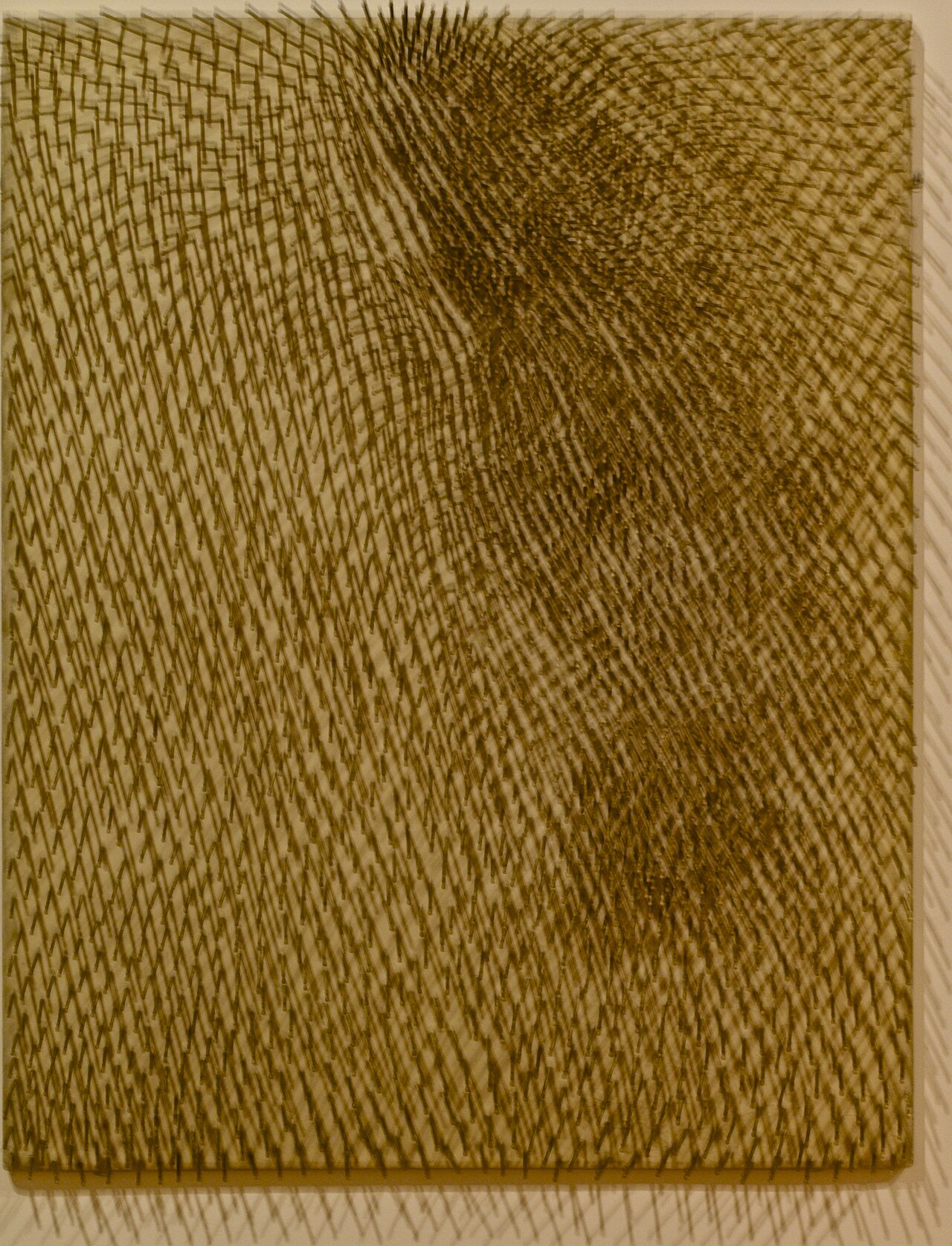
Günther Uecker's 1963 Composition: hundreds of nails driven into a board, their shafts and shadows sweeping into a vibrating spiral field.
Günther Uecker — Composition (1963)Painted nails on wood, Berardo Collection. Photo: Pedro Ribeiro Simões (Lisbon). Wikimedia Commons, CC BY 2.0.
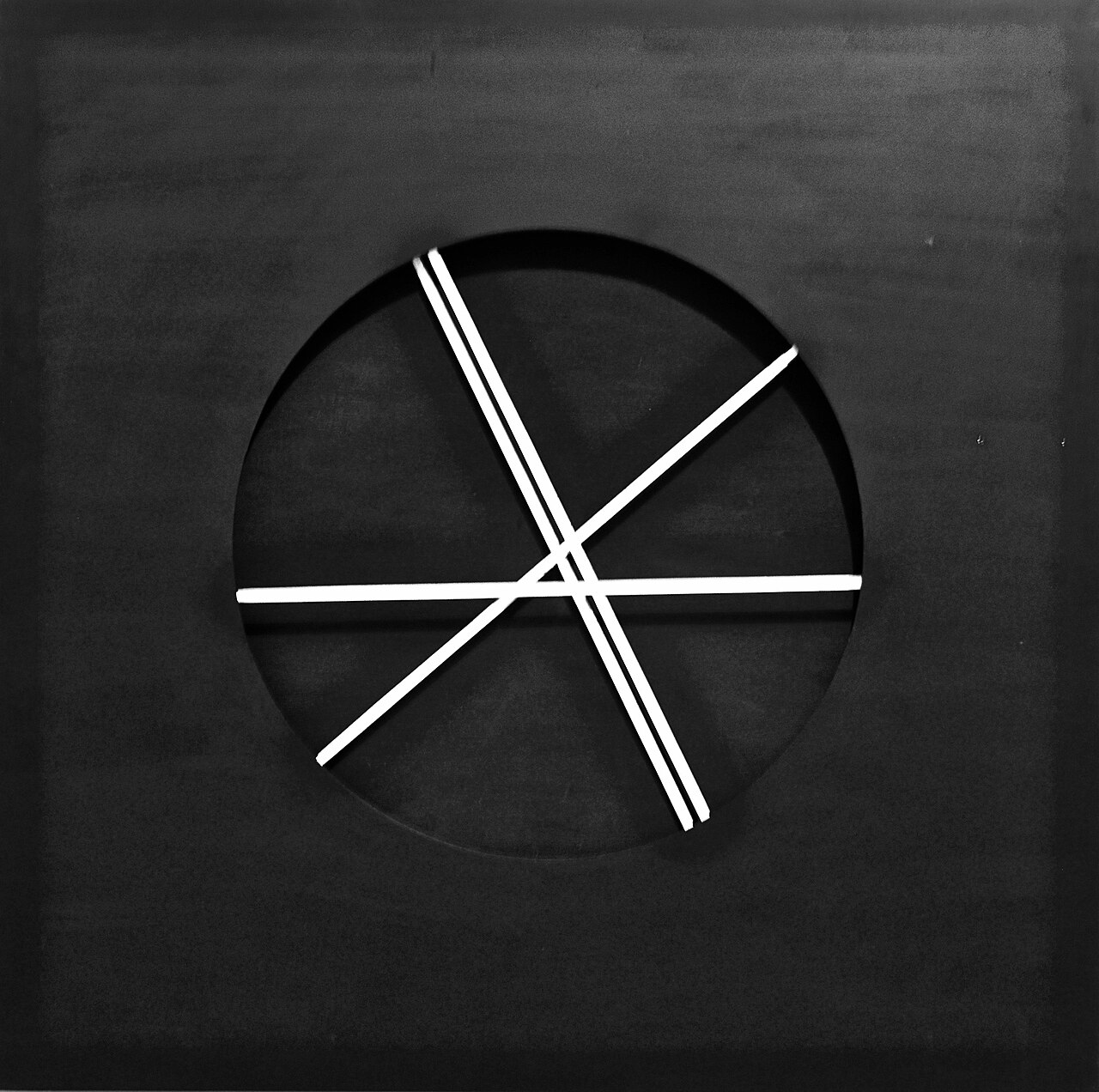
Pol Bury's Mélangeur (1961): white rods crossing a black disc set into a matte black panel, a slow kinetic geometry.
Pol Bury — Mélangeur (1961)Kinetic work, Berardo Collection — an allied voice of ZERO’s slowness. Photo: Pedro Ribeiro Simões (Lisbon). Wikimedia Commons, CC BY 2.0.
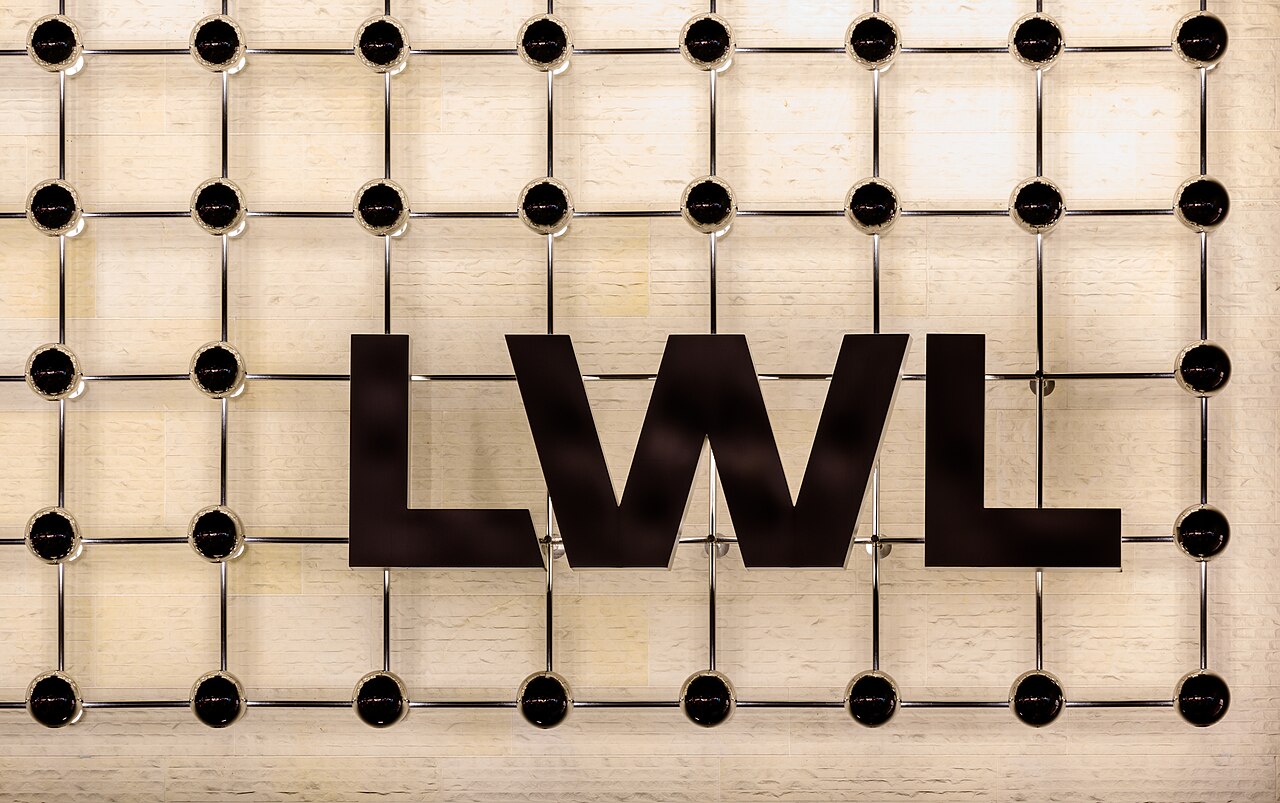
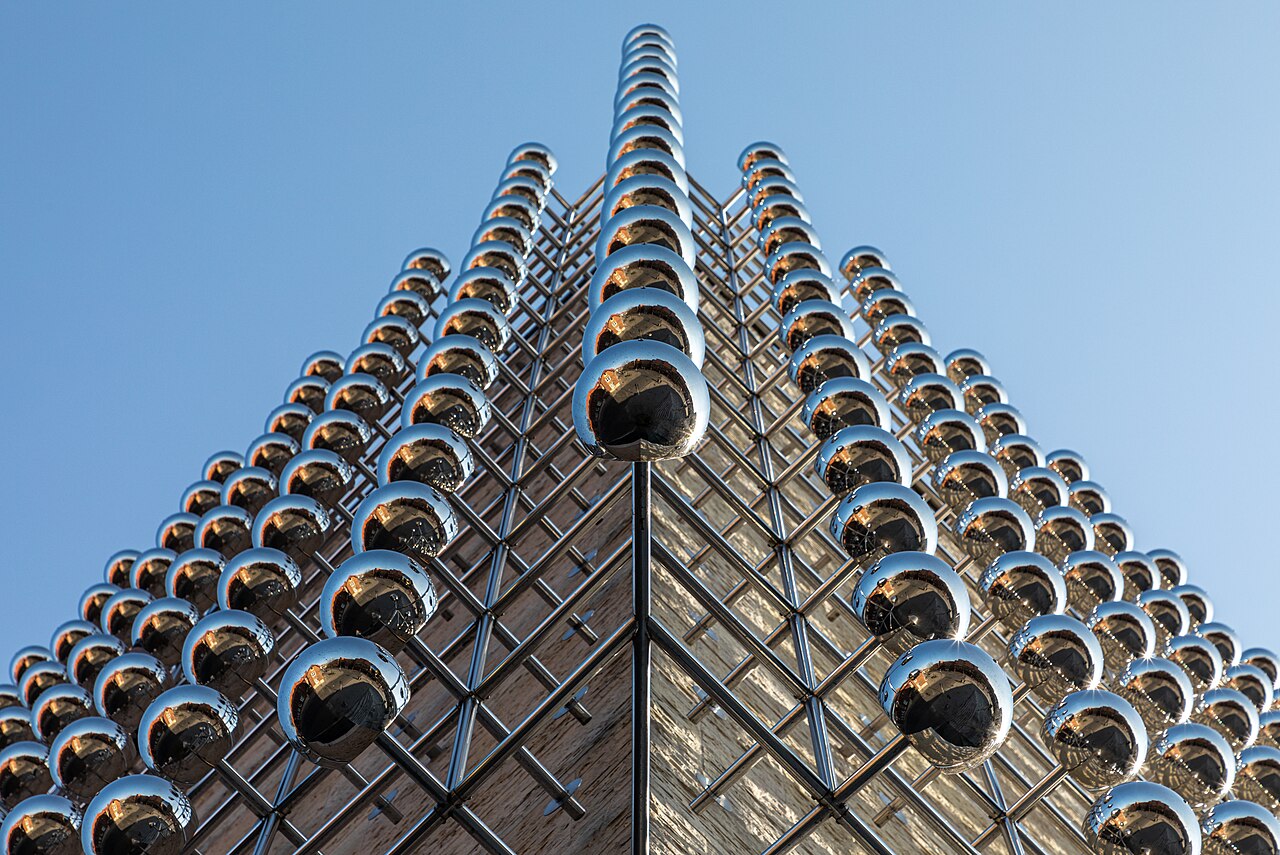
Otto Piene's Silberne Frequenz: a wall-sized grid of chrome rods studded with black reflective spheres, the letters LWL floating within it.
Otto Piene — Silberne Frequenz (1970/71, redesign 2012/14)Light artwork, LWL-Museum für Kunst und Kultur, Münster. Photo: Dietmar Rabich. Wikimedia Commons, CC BY-SA 4.0.
Detail of Silberne Frequenz: chrome rods meeting at glossy black spheres against a pale stone wall.
Silberne Frequenz — detailOtto Piene, LWL-Museum, Münster. Photo: Dietmar Rabich. Wikimedia Commons, CC BY-SA 4.0.
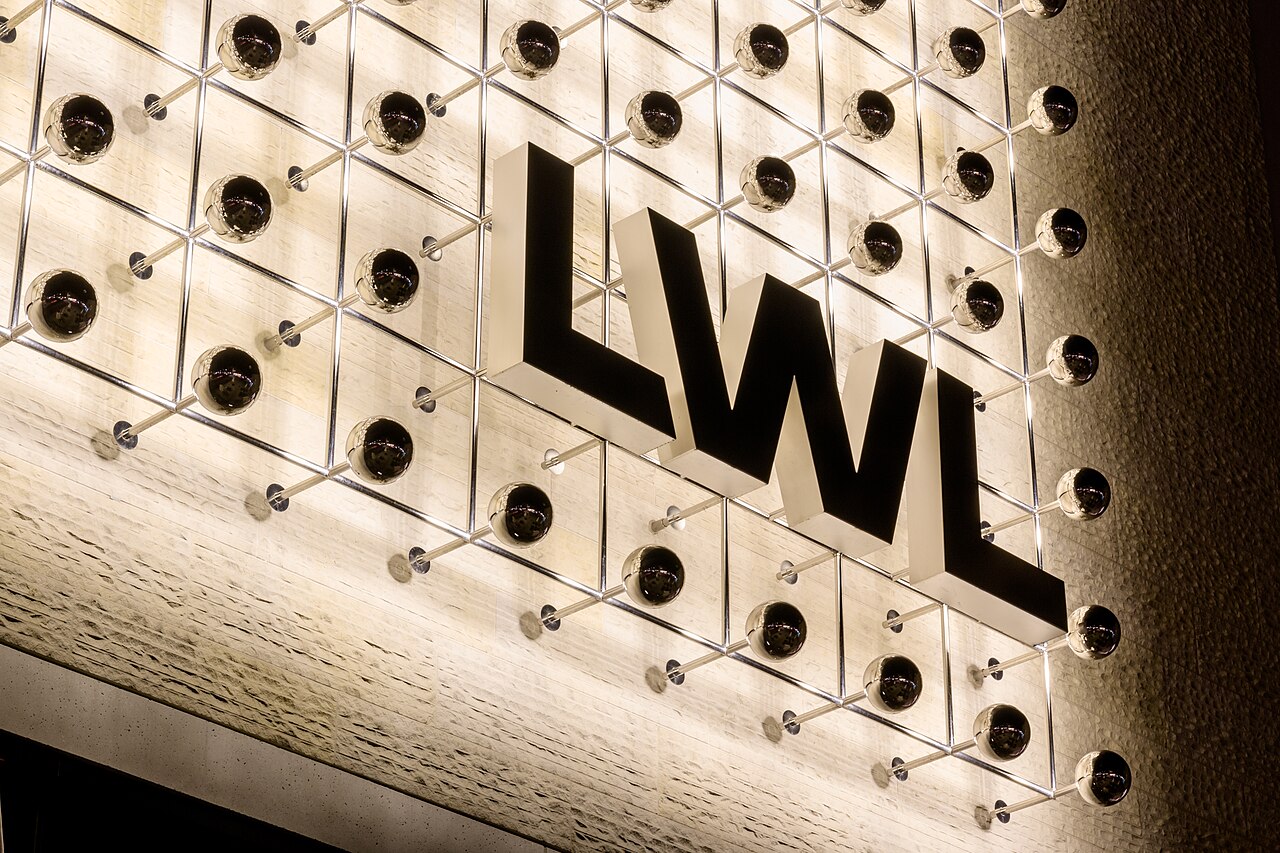
A wider view of Silberne Frequenz, the silver frequency of rods and spheres spanning the museum wall.
Silberne Frequenz — the silver frequencyOtto Piene, LWL-Museum, Münster. Photo: Dietmar Rabich. Wikimedia Commons, CC BY-SA 4.0.

Engines

Ignition & dispersal

Convergent

  • The Düsseldorf core (Mack, Piene, Uecker) and its manifestos.
  • Exhibitions linking Zero to allied European groups (Nul, GRAV).
  • Shared media of light and kinetics.

Divergent

  • A loose international federation that never fully cohered.
  • The difficulty of sustaining a “zero” program.
  • Members’ distinct individual directions.

Internally, a Düsseldorf-centered group extended into an informal pan-European network of kinetic and light artists — bound by sensibility and exhibitions more than doctrine.

The Working Core

Figures & instruments

Otto PieneHeinz MackGünther Uecker

Mediums

  • Kinetic art
  • Light installation
  • The manifesto / journal

Archetype

  • The New Man

Biome

  • Avant & Anti-Art
  • Network morphology

Afterlife

Society Impact

Central to postwar kinetic and light art, prefiguring Op art, immersive light installation, and the international networks of the 1960s.

Fate

Wound down by the mid-1960s as its members pursued individual careers; rediscovered as a key thread of postwar kinetic and light art.

Scenius Signature

A shared “begin from zero” sensibility federating kindred European groups into a movement of light and motion.