Groupe de Recherche de Musique Concrète / Paris / 1948
musique concrète
acousmatique — le son coupé de sa source, entendu pour lui-même
00 — the sound object
Radio engineers who made music from recorded sound itself — the tape splice as the first sampler, and the studio as instrument.
01 — the treatise
The Groupe de Recherche de Musique Concrète, formed around Pierre Schaeffer at French radio in 1948, invented music made not from notes but from recorded sound itself.
Working with turntables and then tape, Schaeffer and Pierre Henry cut, looped, and transformed the noises of the world — a train, a saucepan, a voice — into composed works, theorising the "sound object" heard for itself.
This was, in effect, the first sampling and the first studio-as-instrument, decades before either had a name. As the GRM, the group refined the tools and the theory and trained generations of composers.
Its techniques flow into all electronic music, sound art, and the sample-based logic of hip-hop and beyond.
02 — the motifs
solfège des objets sonores / masse · grain · facture · allure · dynamique
sound from recordings, not notes
the tape splice as composition
the acousmatic — sound severed from source
the sound object (objet sonore)
the studio as instrument
03 — the unifying principle
Music can be composed directly from recorded sound treated as concrete material — the "sound object" — abolishing the score, the instrument, and the note as necessary intermediaries.
04 — the engines
convergent — what wound it together
- the RTF / GRM studio and its funding
- Schaeffer's theory and treatise
- shared new tools — tape, the phonogène
divergent — where the tape was cut
- Schaeffer's split from Pierre Henry and doctrinal rigidity
- the rivalry with Cologne's pure-electronic school
- the theory's austerity versus expanding practice
05 — memetic forces & internal life
what spread the signal
- a.Hearing that any recorded sound could become music broke open a limitless new palette — a genuine revelation.
- b.Radio-institution backing gave composers a funded laboratory.
- c.A rigorous theory — Schaeffer's — turned tinkering into a discipline others wanted to join.
the internal dynamics
A funded radio-studio laboratory around a strong theorist. Schaeffer's authority and rigor both founded the field and drove collaborators away — the same gravity that held the group together also flung its brightest orbits loose.
06 — the makers & the mediums
07 — plates — behind the veil
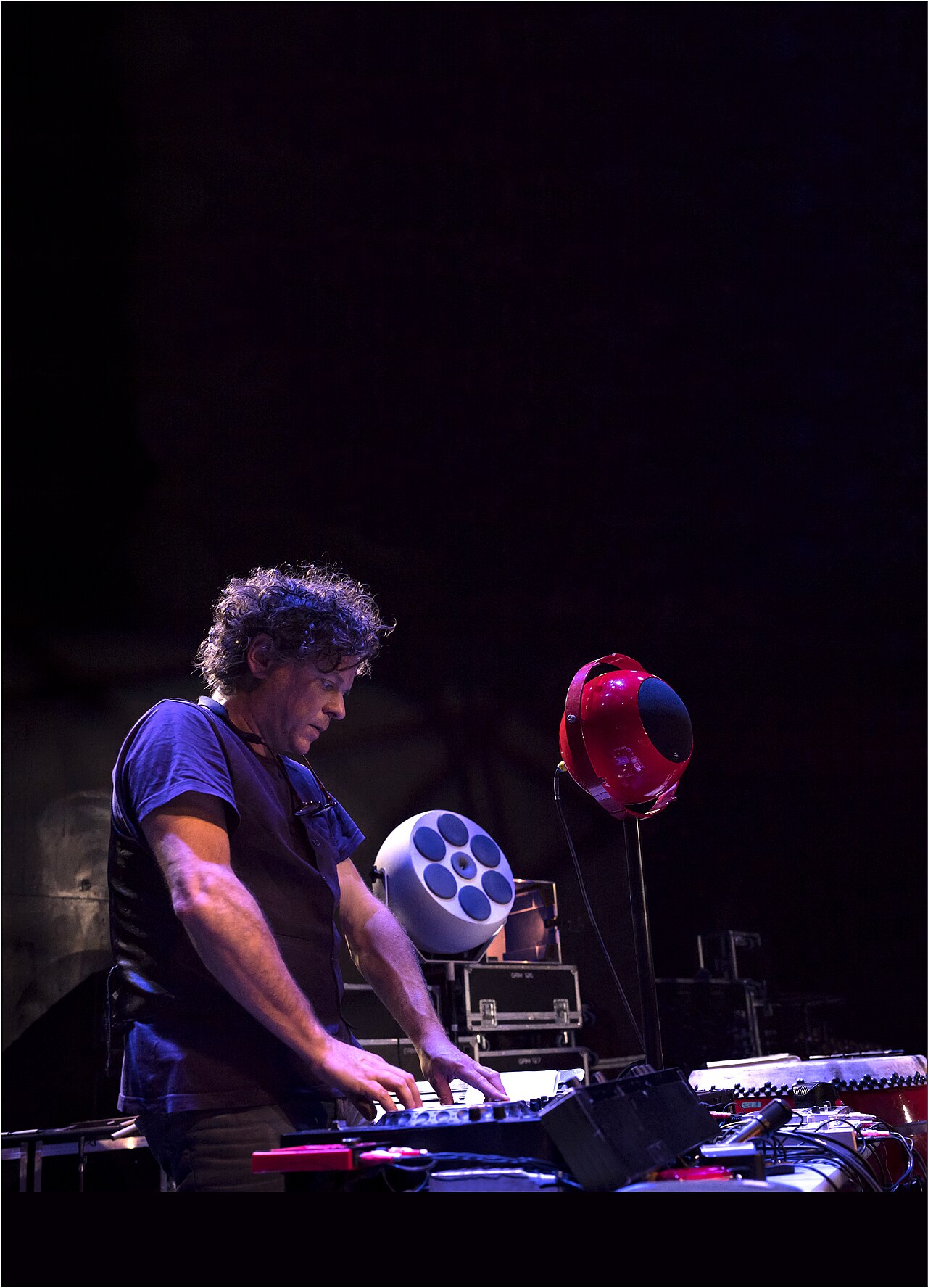
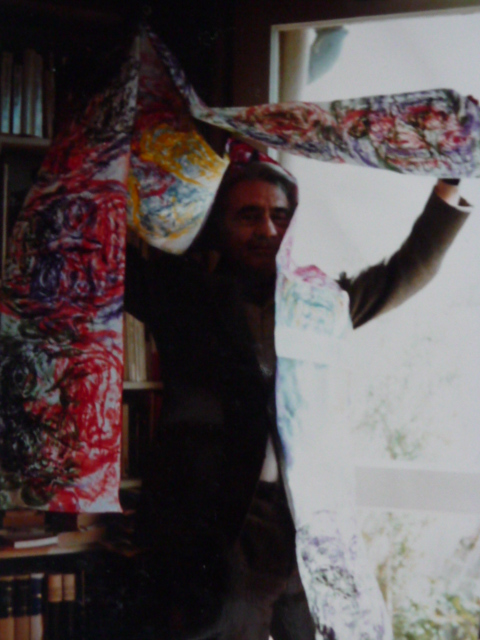
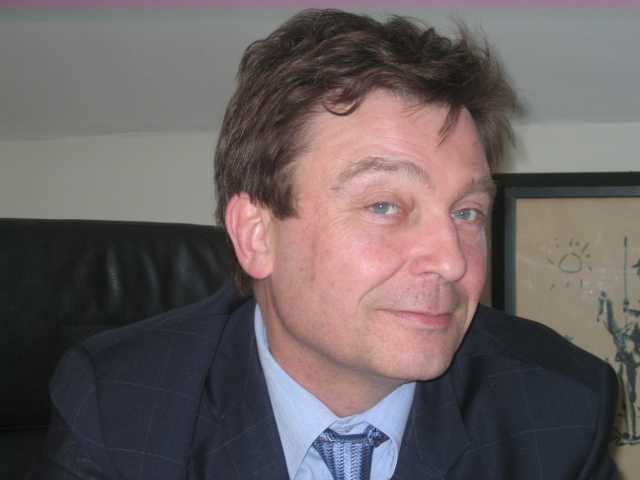
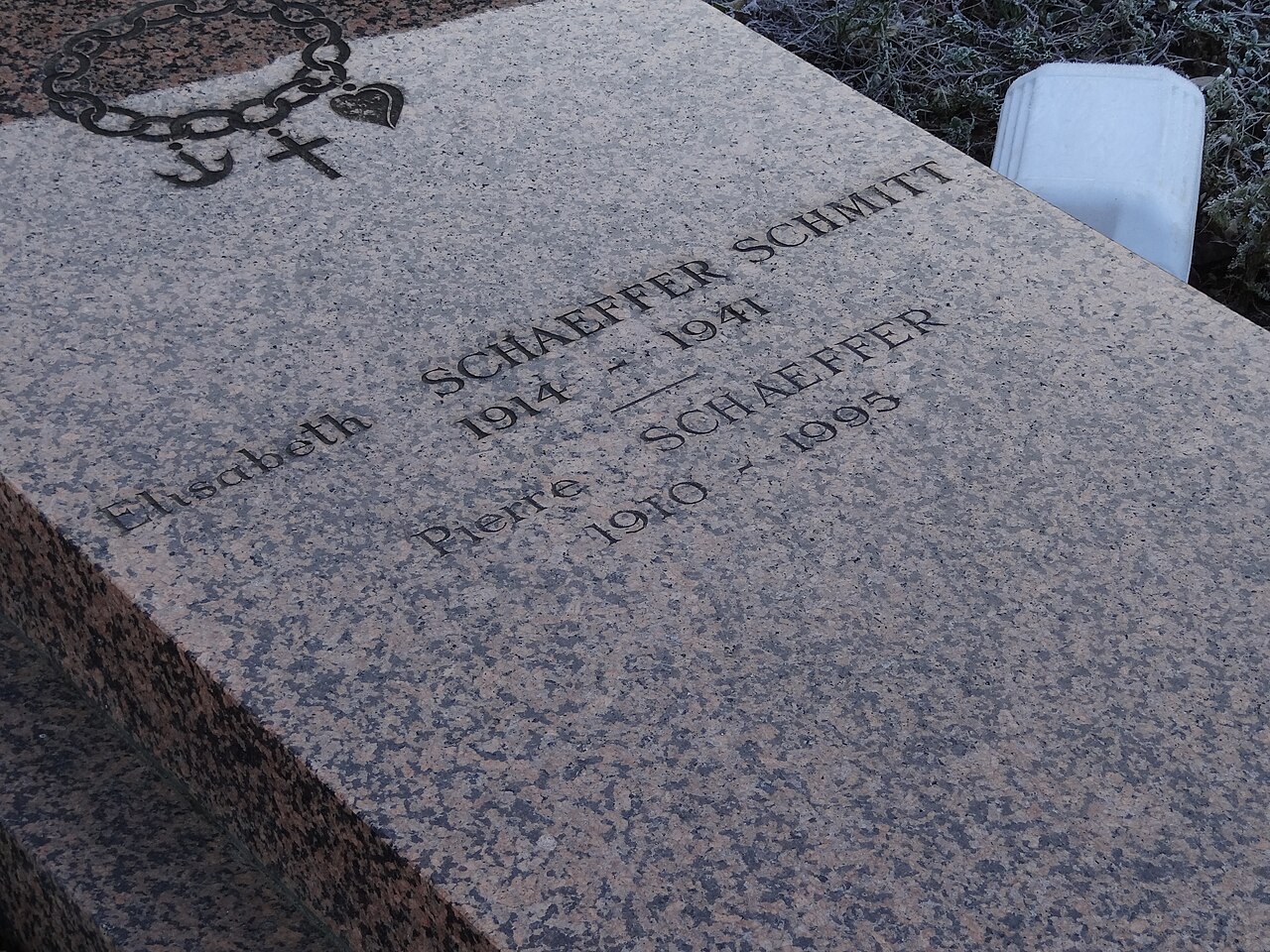
Images via Wikimedia Commons, reused under their stated licenses. · img0 Didier Allard@Ina, CC BY-SA 4.0 · img1 Haumant, CC BY-SA 3.0 · img4 Ftda, CC BY-SA 3.0 · img2 & img3 Antoine Rex, CC0.
08 — the signal in the world
Invented sampling and tape composition — the technical and conceptual root of electronic music, sound design, hip-hop's break, and all sample culture. Every producer who chops a record, every artist who treats a recording as raw clay, works in a language first spoken in a Paris radio studio.
09 — the scenius signature & fate
A radio lab where engineers discovered that recorded sound itself could be the composer's clay.
Institutionalized as the GRM; its techniques became universal, quietly underlying most recorded music since. The source went unseen — acousmatic to the end — but the sound object plays on.