The brief
The hot-springs laboratory of the self
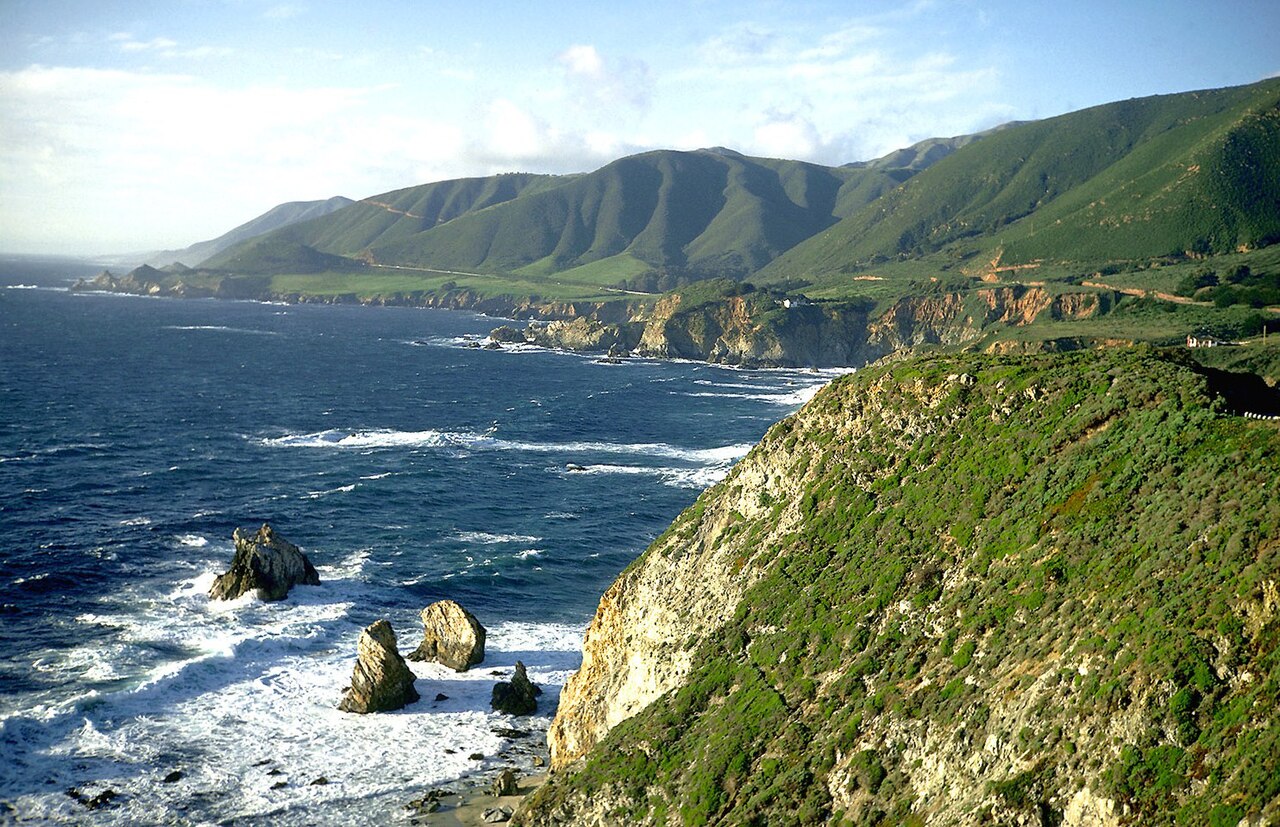
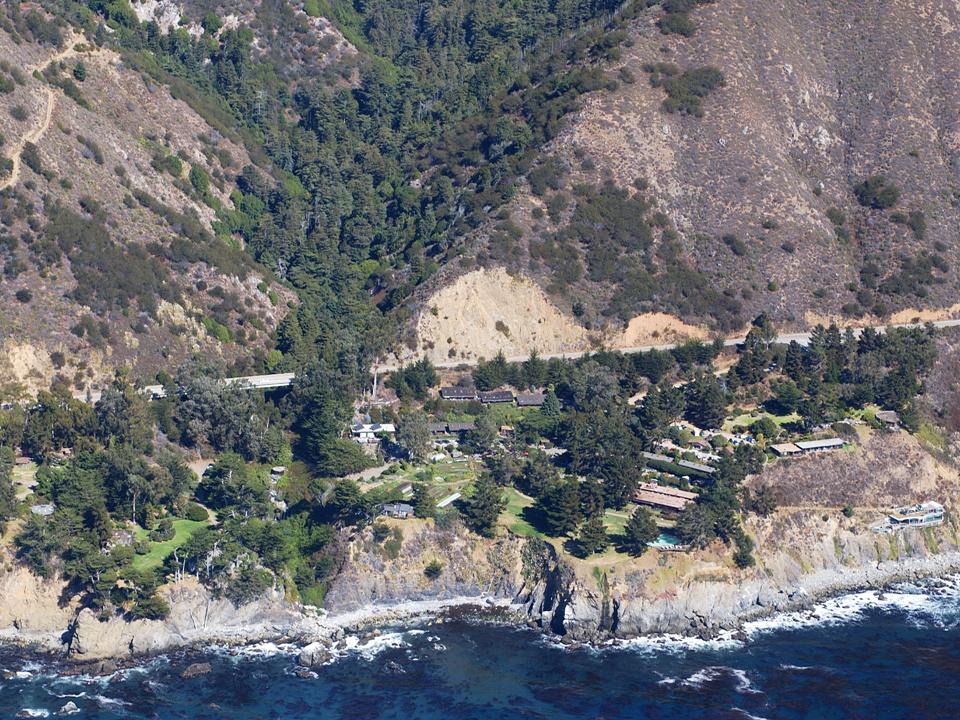
Esalen Institute is the hot-springs laboratory where postwar America tried to reinvent the self. Opened in 1962 on the Murphy family’s Big Sur land above the Pacific, it took Aldous Huxley’s phrase “human potentialities” and Abraham Maslow’s humanistic psychology as a founding brief, then filled that brief with an eclectic, often contradictory program: Fritz Perls’s Gestalt therapy, Ida Rolf’s structural bodywork, Will Schutz’s encounter groups, Stanislav Grof’s transpersonal psychology, and Gregory Bateson’s systems thinking, all delivered as weekend and week-long seminars to paying guests soaking in cliffside baths.
It is less a school with a doctrine than a physical hub that convened doctrines — and its historical importance lies precisely in that convening function.
Recurring motifs
Five ideas that kept surfacing in the baths
- iHuman potential — we use only a fraction of our capacities.
- iiThe encounter group and the discipline of radical honesty.
- iiiThe integration of body, mind, and spirit into one practice.
- ivThe hot springs on the cliff as sacred, common ground.
- vEast meets West — Zen and Vedanta beside California psychology.
The unifying principle
“Every person contains vast unrealized potential; by integrating body, mind, and spirit — drawing freely on psychology, Eastern practice, and bodywork — that potential can be released.”
Memetic forces
Why it spread
The encounter group offered intense, cathartic intimacy that hooked participants and turned them into evangelists.
The promise of self-actualization was perfectly pitched to an affluent generation seeking meaning beyond material success.
The sublime Big Sur setting made transformation feel real — and available.
The ground itself
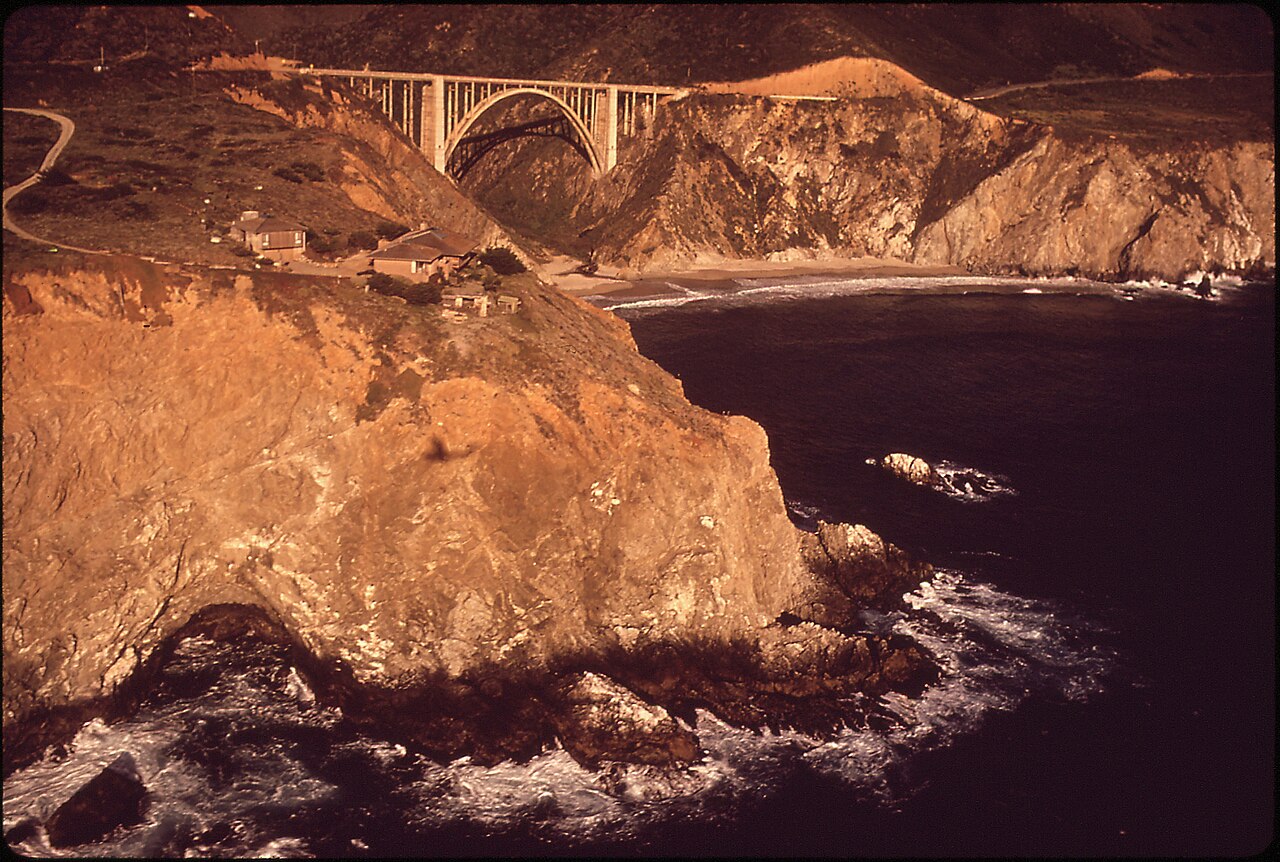
Sacred cliff, common coast


Convergent & divergent engines
What held it together — and what pulled it apart
Convergent — the gather
- The single spectacular site.
- The residential workshop format.
- Founders Murphy and Price as curators of a shared program.
- The hot springs as ritual center.
Divergent — the scatter
- A deliberately eclectic, non-doctrinal buffet of practices that never cohered into one method.
- The tension between serious inquiry and self-indulgent “me” culture.
- The diffusion of its techniques into a whole industry that outgrew it.
Internal dynamics
Two founders, a rotating cast
A retreat center run by two complementary founders — the mystic Murphy, the Gestalt-therapist Price — hosting a rotating cast of teachers. Its openness was both its genius and its lack of a spine.
Societal impact
Broadcast into the mainstream
Launched the Human Potential Movement and much of the New Age; mainstreamed yoga, meditation, encounter groups, and bodywork; quietly shaped Silicon Valley’s self-improvement — and even Cold War diplomacy, through citizen exchanges with the USSR.
The register
Figures, mediums, archetypes
Fate
Living and institutionalized — simultaneously a respected retreat and the origin point of a wellness industry worth billions that long ago escaped its control.