Booted from a Crack Intro
the briefThe demoscene is a European digital subculture, born in the mid-1980s from the cracking groups who bypassed copy protection on home computers and signed their work with ever-flashier intro screens. Those intros became an art form in themselves: the demo — a real-time audiovisual program that shows off virtuoso coding, graphics, and chiptune music, often squeezed into absurd size limits. Organised into named groups and gathering at demoparties for live competitions, the scene prizes technical brilliance and collective reputation over money. Decades on, it thrives, and its obsessive craft of real-time graphics and procedural generation seeded creative coding, GPU and shader art, and much of the aesthetic of generative visual culture.
Motifs / The Effects Table
what recurs on screenArtifacts of the Scene
machines & screens

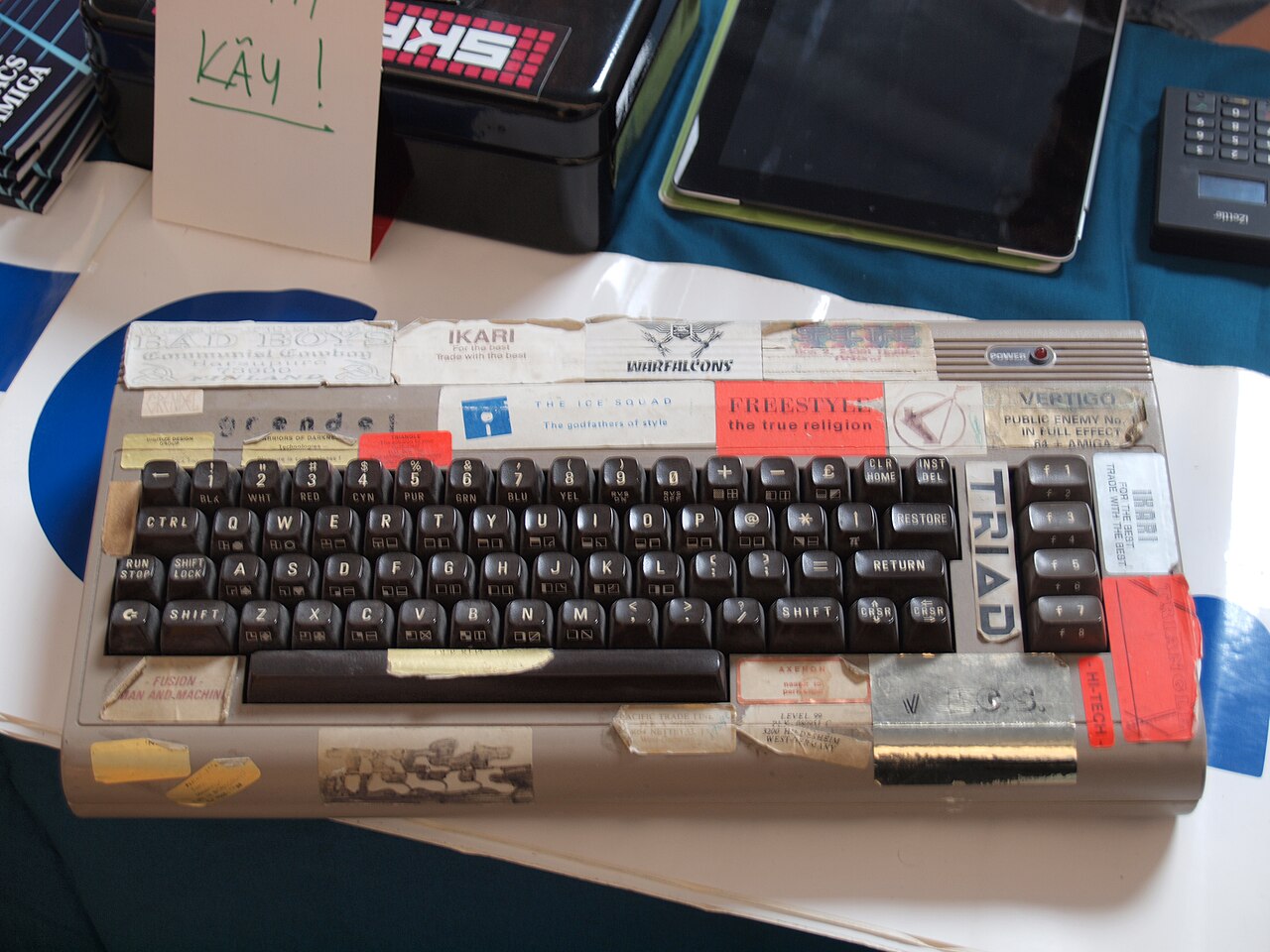

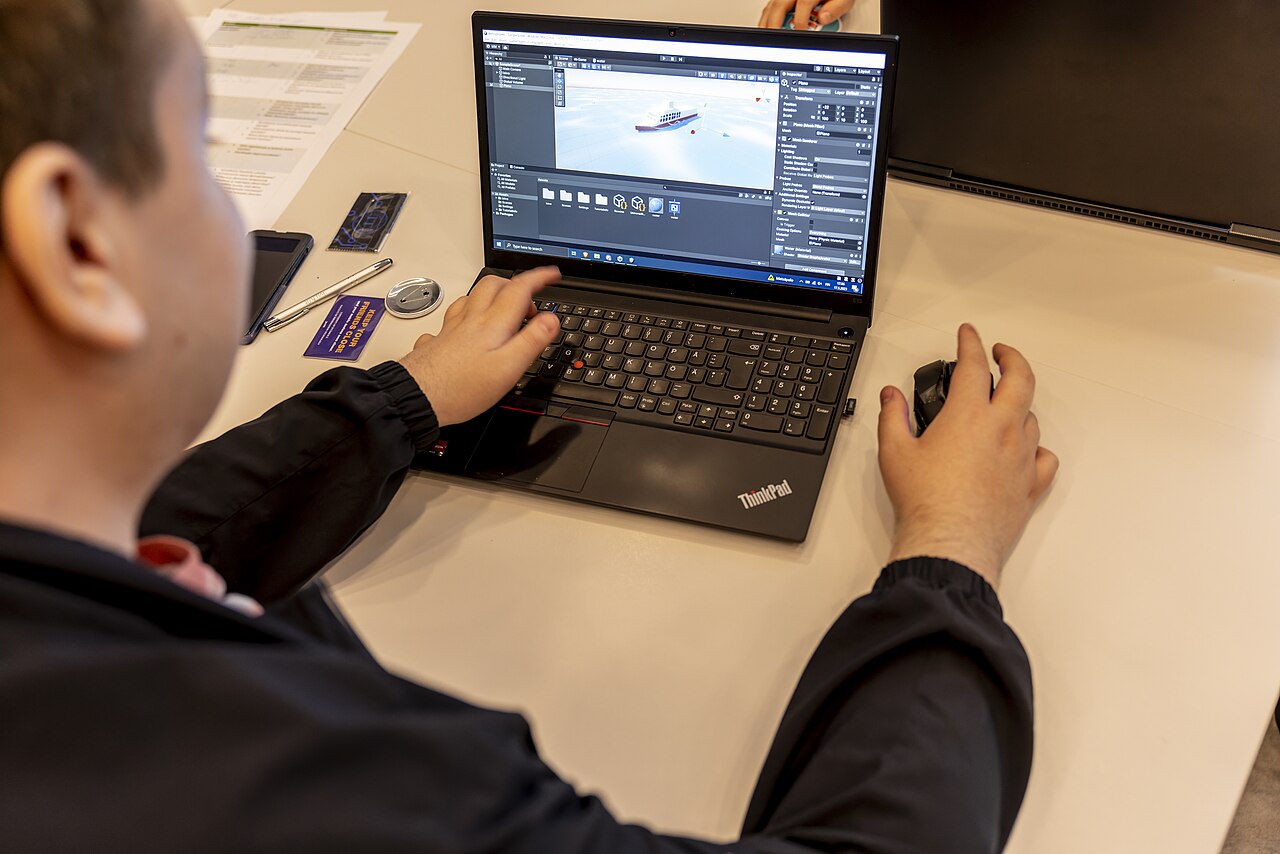

Memetic Forces
what makes it spreadThe Unifying Principle
the rule of the compoPush hardware to impossible limits in real time as collective art; prove mastery by squeezing maximal audiovisual beauty from minimal code, for glory not money.
Convergent & Divergent Engines
what holds it / what pulls it apart▲ Convergent
- The demoparty and its competitions
- The scene group as production unit
- Shared platforms and the diskmag / BBS network
▼ Divergent
- Hardware abundance eroding the “do more with less” constraint that defined it
- Professionalization drawing talent into the games and effects industries
- Generational drift and platform death
Internal Dynamics
how the guild runsA meritocratic, competitive gift-culture organized into rival groups; reputation is everything, earned only by shipping demos at parties.
A Hidden School
society impactA hidden school for generative art, GPU/shader craft, chiptune, and creative coding; it trained a generation of graphics and games engineers — and much of the aesthetic of generative visual culture flowed from its demoparty compos outward into the world.
Handles & Formats
groups / mediums / archetypesGroups & makers
Mediums / compo categories
Archetypal layers
Signature & Fate
final frameScenius signature — a competitive craft-guild that turned squeezing beauty from silicon into a decades-long collective sport.
Fate — Still alive but niche; its aesthetic and its trained coders flowed into demand for real-time graphics, VJing, and creative technology.
· Tamás Polgár, Freax: The Brief History of the Computer Demoscene (2005)
· Daniel Botz, Kunst, Code und Maschine: Die Ästhetik der Computer-Demoszene (2011)