Scenius at the Foundations of Physics
The Copenhagen School
Bohr's Institute for Theoretical Physics · København
Δx · Δp ≥ ℏ / 2
the uncertainty principle · Heisenberg, 1927
Bohr's institute — where a young international cohort argued quantum mechanics into being.
Fig. 01 — the place, not the doctrine
The Copenhagen school was less a doctrine than a place: Niels Bohr's Institute for Theoretical Physics, founded in 1921, where a young international cohort argued quantum mechanics into being.
Heisenberg, Pauli, Dirac, and a rotating cast of the world's brightest physicists came to Copenhagen to think alongside Bohr, whose relentless, conversational, walk-and-talk style of doing physics set the tone. Out of this intense, collegial hothouse came the uncertainty principle, complementarity, and the "Copenhagen interpretation" that dominated physics for decades. It is a textbook case of scientific scenius — a single institute, a charismatic host, and sustained face-to-face argument producing a revolution in our picture of reality, and a model for the great research institutes that followed.
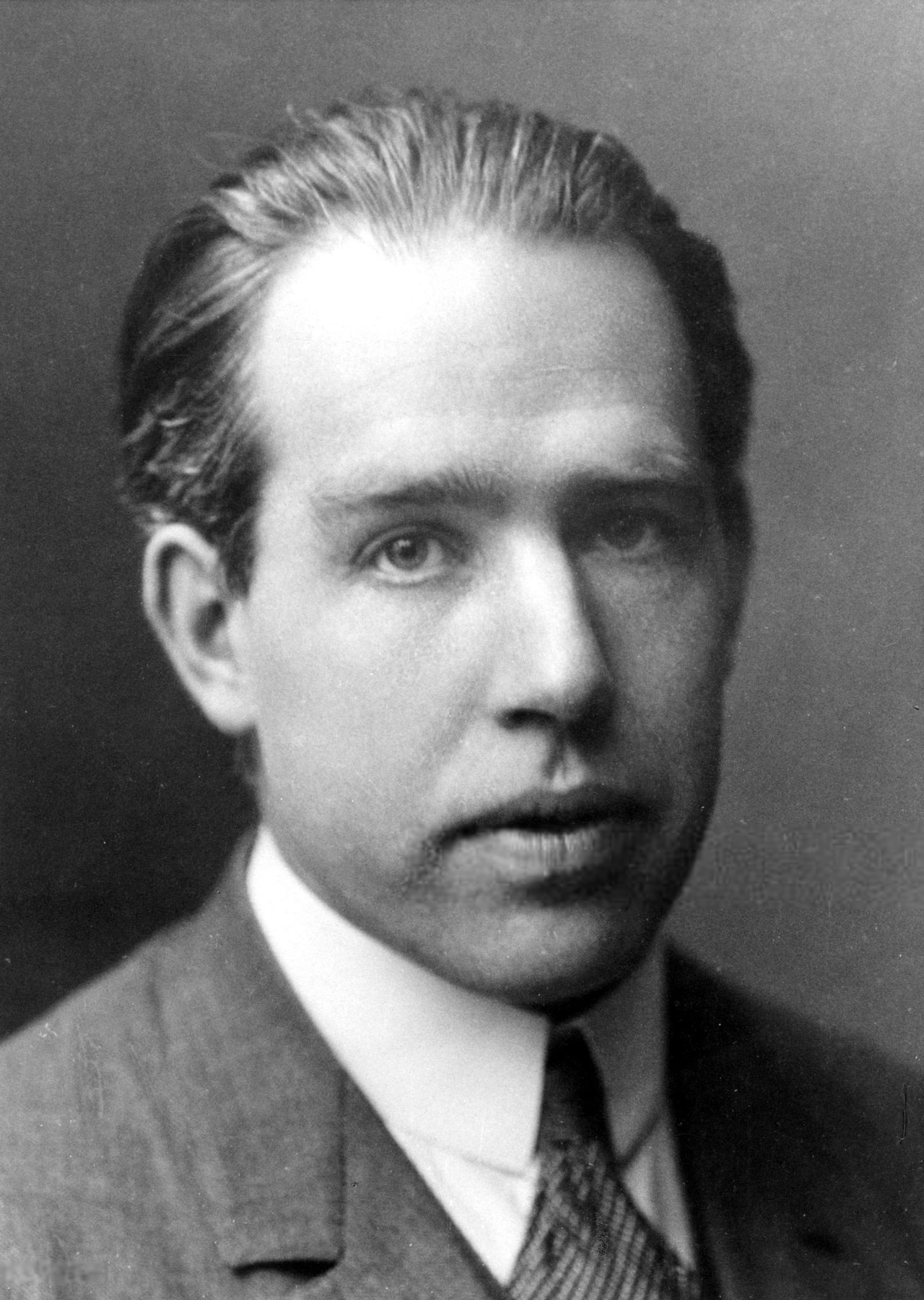

Fig. 02 — recurring motifs
What kept appearing on the board
- icomplementarity and the uncertainty principle
- iithe thought experiment as method
- iiithe walk-and-argue
- ivthe young international cohort
- vphysics at the philosophical foundations
Fig. 03 — memetic forces
Why it caught, and held
Being present at the remaking of physical reality gave a young cohort an electric sense of destiny.
Bohr's fatherly, dialectical institute drew the best minds of a generation to one small city.
Open, ferocious argument as a shared sport bonded rivals into a school.
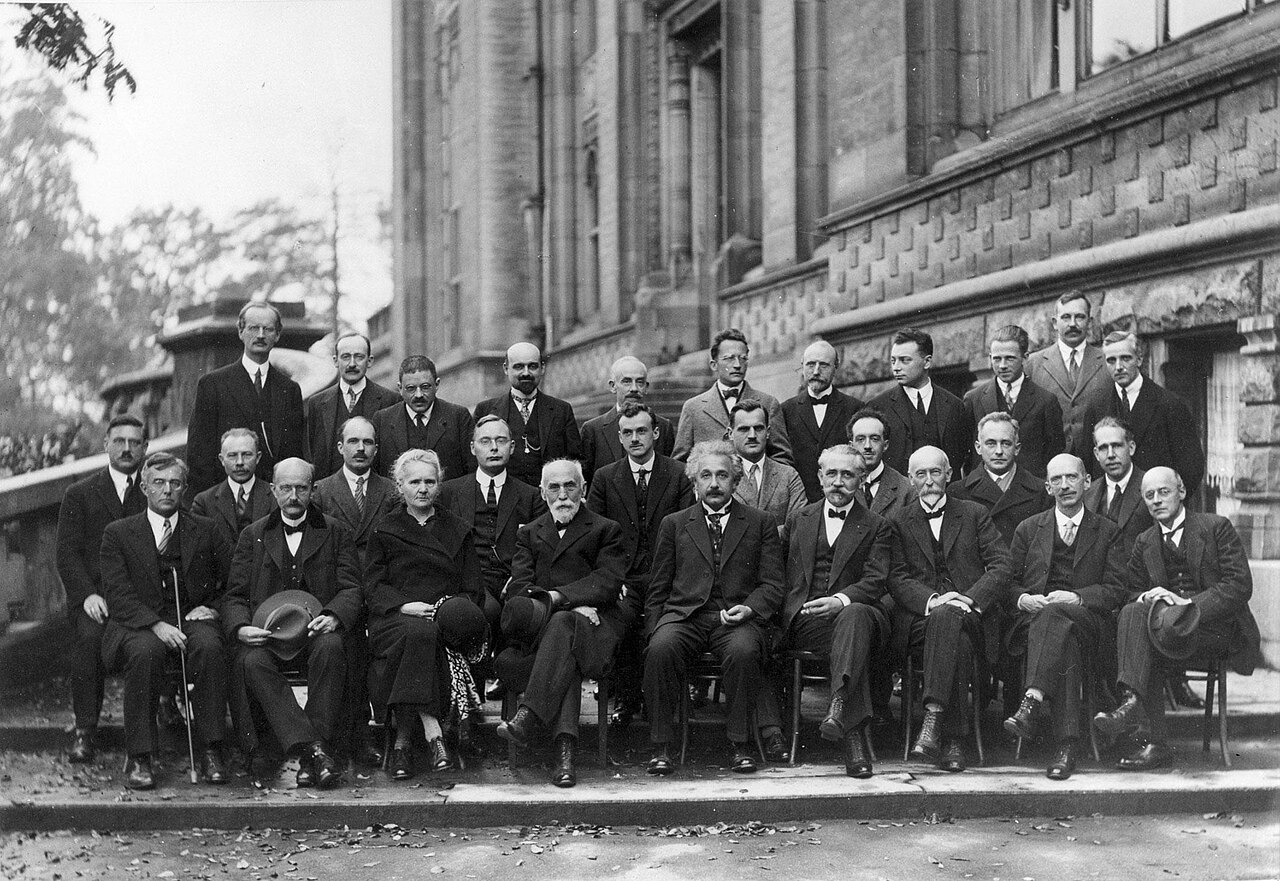

Fig. 04 — the unifying principle
Quantum reality resists classical description; knowledge is bounded by complementarity and measurement — and physics must be argued into being through relentless dialogue.
Fig. 05 — engines of the scene
Contraria sunt complementa — opposites are complementary
● Convergent engines — what drew it together
- Bohr's Institute and its open-door culture
- the visiting-fellowship flow of young physicists
- the seminar and the endless walk-and-talk
◯ Divergent engines — what pulled it apart
- the foundational fight with Einstein and Schrödinger over interpretation
- nationalism and WWII scattering the cohort
- the industrialization of physics (Big Science) dissolving the intimate scale
Fig. 06 — internal dynamics
A fatherly-mentor institute where a rotating international youth argued quantum mechanics into existence; authority was Bohr's, but the method was collective combat.
Fig. 07 — society & impact
Produced quantum mechanics and its dominant interpretation — the foundation of modern physics, chemistry, and electronics — and modeled the international research institute.
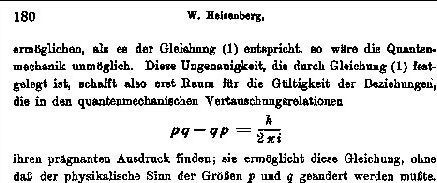

Fig. 08 — scenius signature
One small institute where a generation's best physicists collided daily until a new physics emerged.
Fig. 09 — the fate
Dispersed by war and the shift to Big Science; its interpretation reigned for decades and its institute-model was copied worldwide.
Fig. 10 — the physicists
The cohort
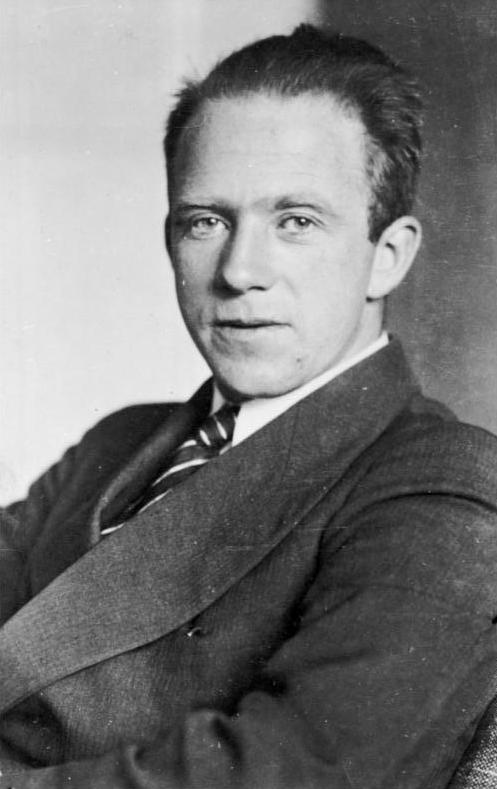
Portrait of Werner Heisenberg (centre): CC BY-SA 3.0 de · Deutsches Bundesarchiv, Bild 183-R57262 (original caption retained for documentary purposes). Wikimedia Commons. Bohr portrait credited above.

Fig. 11 — mediums
Fig. 12 — archetypal layer
Plates & credits
Niels Bohr, physicist — media/img0.jpg · Public domain. Photograph credited by the American Institute of Physics to AB Lagrelius & Westphal (Nobel Foundation, Les Prix Nobel). Source: Wikimedia Commons.
1927 Solvay Conference on Quantum Mechanics — media/img1.jpg · Public domain. Photograph by Benjamin Couprie, Institut International de Physique Solvay, Brussels. Source: Wikimedia Commons.
Werner Heisenberg, portrait — media/img2.jpg · CC BY-SA 3.0 de · Deutsches Bundesarchiv, Bild 183-R57262 (original archival caption retained for documentary purposes). Source: Wikimedia Commons.
Canonical commutation rule (uncertainty principle), 1927 — media/img3.jpg · Public domain. Werner Heisenberg (1901–1976). Source: Wikimedia Commons.
- — Abraham Pais, Niels Bohr's Times (1991)
- — Werner Heisenberg, Physics and Beyond (1971)
- — David C. Cassidy, Uncertainty: The Life and Science of Werner Heisenberg (1992)