JackYour Body
Residents — Frankie Knuckles · Ron Hardy · Jesse Saunders
Four on the floor — the 909 keeps the room
Black and queer DJs who rebuilt disco from a drum machine at the Warehouse — a sound that became the world's dance-music grammar.
A Sound Built
From The Machine Up
House music was built in early-1980s Chicago by Black and largely queer DJs, most famously Frankie Knuckles at the Warehouse — from which "house" takes its name — and Ron Hardy at the Music Box. Working after disco's mainstream backlash, they rebuilt dance music from a drum machine: the Roland TR-909 kick, four on the floor.
They extended, re-edited, and stripped tracks into hypnotic, euphoric tools for the dancefloor. Cheap gear and the 12-inch single let a whole community produce and press its own records. House exported a new grammar for global dance music, gave rise directly to Detroit techno and the UK's rave explosion, and remains one of popular music's deepest wells.
Knuckles
Hardy
Saunders
A marginalized community building its own ecstatic dancefloor made the music a vessel of liberation and belonging.
Cheap drum machines — the 808 and 909 — let anyone produce, exploding participation across bedrooms and basements.
The club's ritual intensity created evangelists who carried the sound outward and spread it.
Convergent — Pulling Together
- the Warehouse / Music Box clubs and their resident DJs
- the Roland drum machines and cheap production
- local labels and the 12-inch single
Divergent — Splitting Apart
- the sound splitting into subgenres and scenes
- the move to Europe, where it was commercialized
- the informal scene outrun by a global industry
A club-centered, DJ-led scene rooted in Black and queer Chicago; innovation came from resident DJs and bedroom producers feeding the dancefloor.
The DJ
Preaches
House was never just records — it was a room, a resident, and a congregation. The DJ stood where a preacher would, the drum machine kept the room, and the floor answered back all night.
The mediums were plain and portable: the club, the drum machine (909), the 12-inch, and the DJ set — cheap enough that a whole community could make its own.
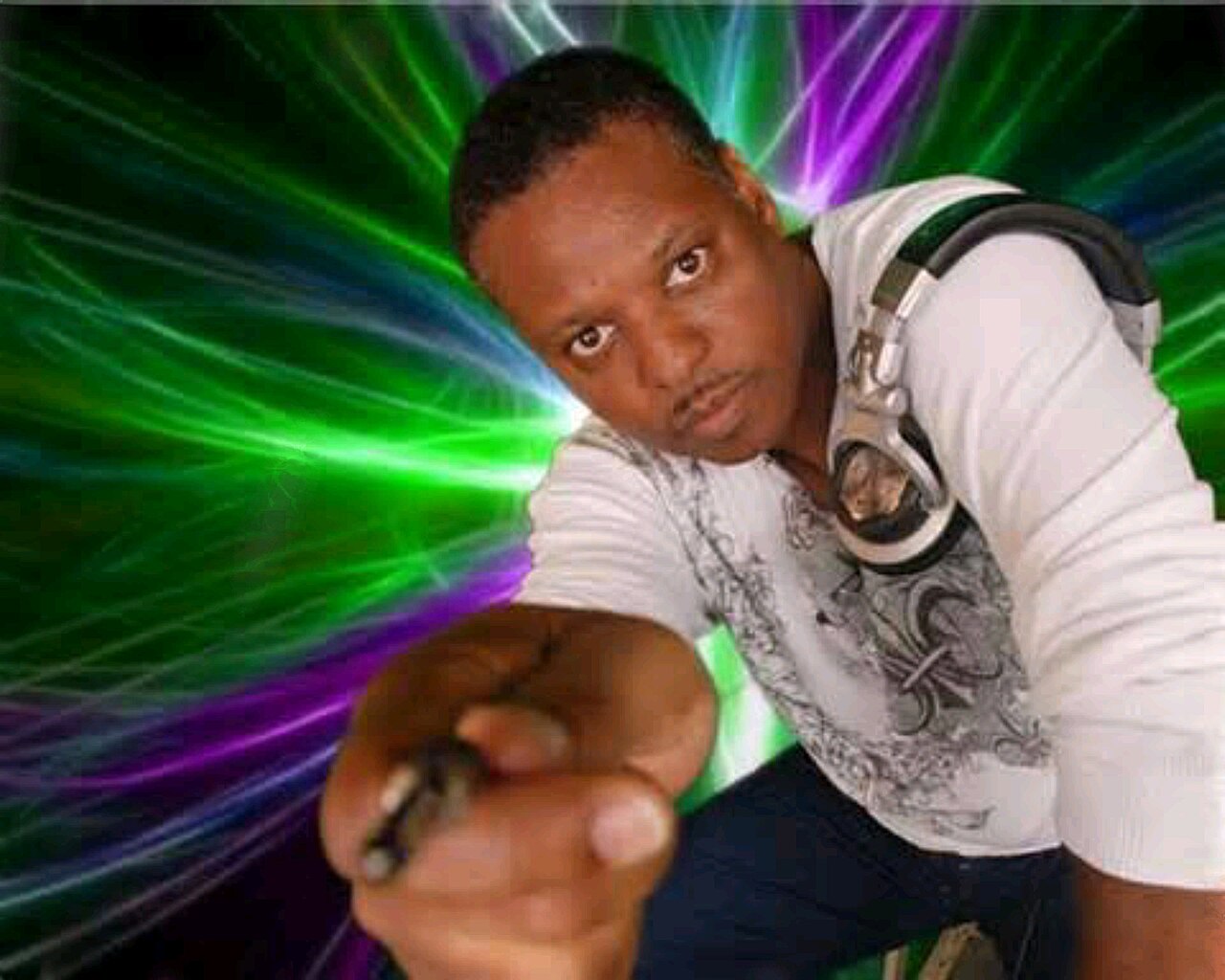
Artist: User:Jessesndrs · Wikimedia CommonsCC BY-SA 3.0
A marginalized community that rebuilt disco from a drum machine into the world's dancefloor language.
Founded house music — now a global pop and dance grammar — and, with Detroit, the entire electronic dance music world.
Went global and commercial, especially via Europe; its Chicago origins became the wellspring of worldwide house and EDM.