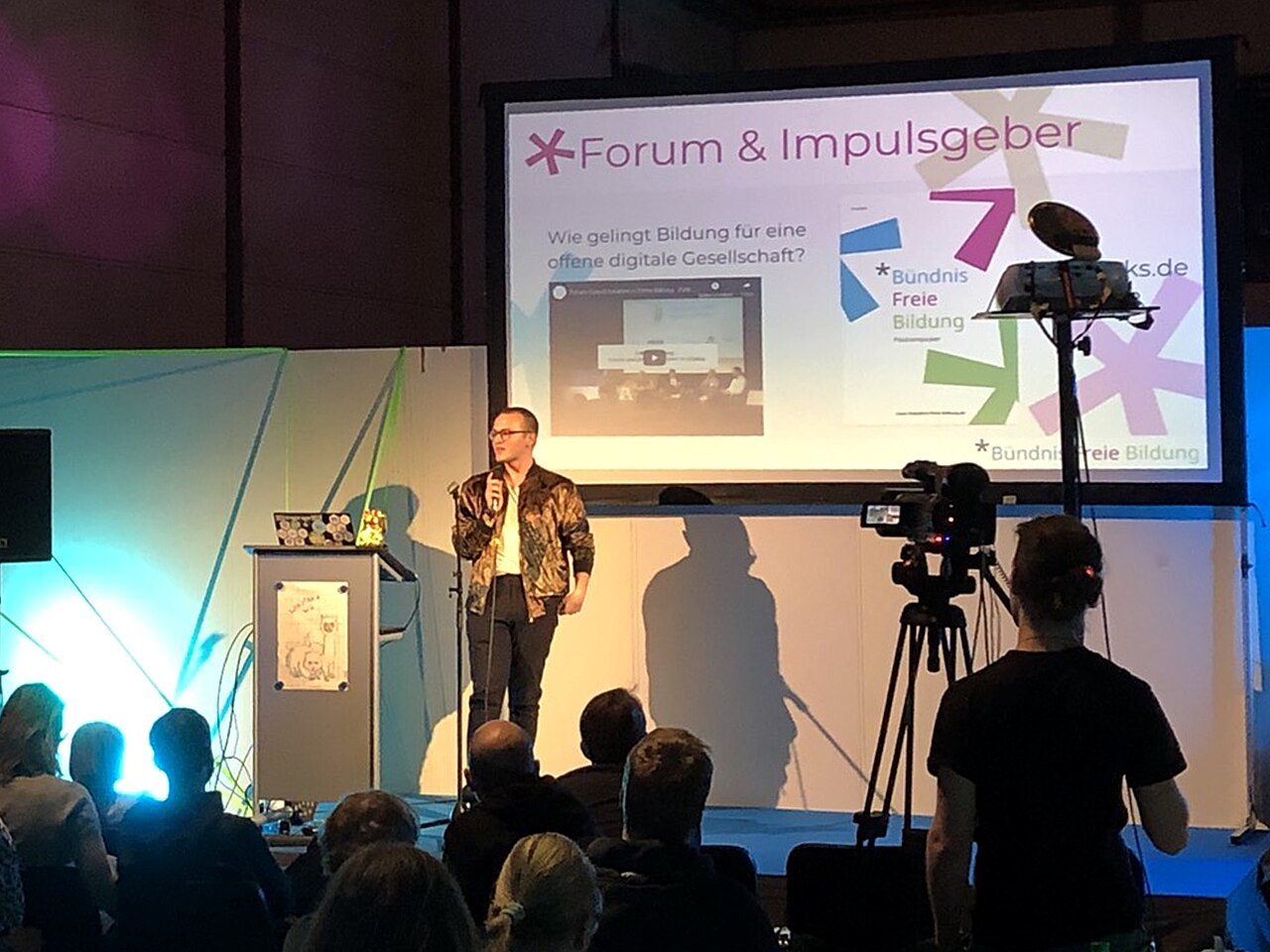
The Chaos Computer Club, founded in Hamburg in 1981 around Wau Holland, is Europe's largest and most influential hacker association — proof that hacking could be an ethics as much as a mischief. From early stunts exposing the insecurity of the German Bildschirmtext banking system to decades of work on privacy, transparency, e-voting security, and the "right to tinker," the CCC married technical daring with a principled politics of information freedom.
Its annual Chaos Communication Congress became a global gathering of the hacker world. The Club's hacker ethic — curiosity, openness, distrust of authority, and public-interest disclosure — profoundly shaped digital-rights activism, the free-software culture, and the European conversation about technology and society.
Signal patterns
- the hack as public-interest test
- transparency and the right to information
- privacy and crypto for the citizen
- the annual Congress
- hacker ethics against surveillance
Memetic forces
- hacking framed as ethical public service — exposing insecure systems gave technical mischief a principled identity
- the yearly Congress became a tribal homecoming that sustained the community
- standing against state and corporate surveillance offered a clear, righteous enemy
Access to information and technology is a civil right; hackers should probe and expose the powerful, defend privacy, and educate the public — under an ethic of curiosity without harm.
- the Chaos Communication Congress
- a public ethical code and press-savvy demonstrations — the Btx hack
- a durable membership organization
- the tension between white-hat ethics and members drawn to espionage — the KGB-hacker affair, Karl Koch
- state pressure and legal risk
- balancing mass growth with hacker intimacy
Internal dynamics
A rare hacker collective that built a lasting, ethical, public institution; it polices its own line between activism and crime through a stated ethic and community norms.
Impact on society
Europe's leading voice on digital rights, security disclosure, and privacy; shaped policy, exposed insecure systems — voting machines, biometrics — and modeled ethical hacking.
Hackers who institutionalized curiosity into a decades-long civic conscience for the digital age.