A household, not a manifesto
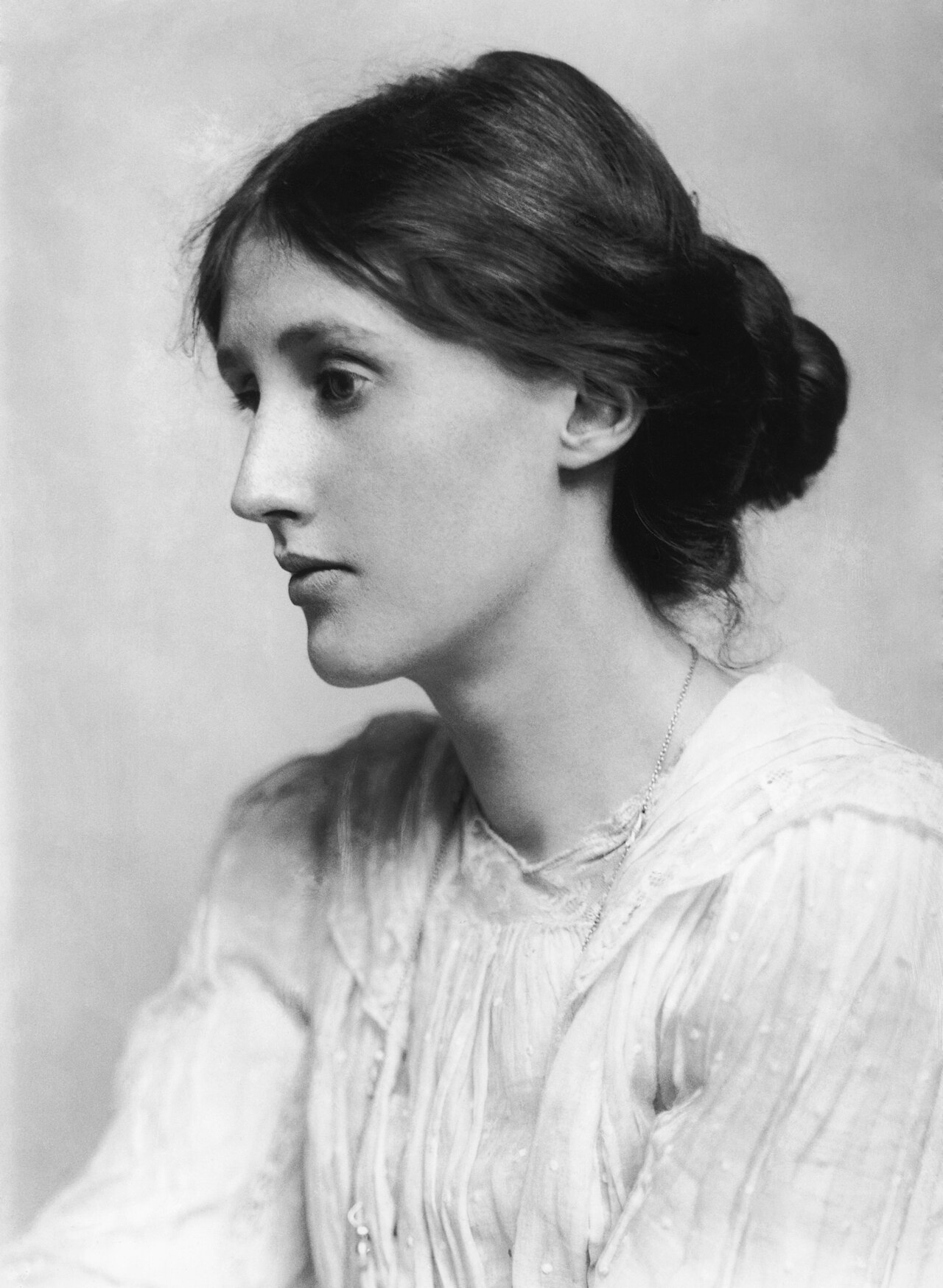
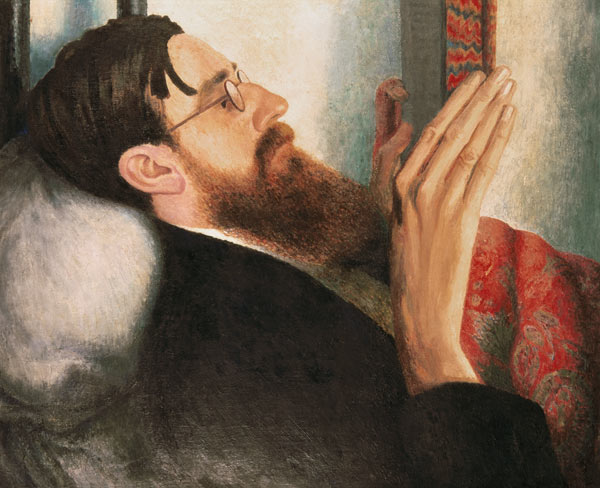
Bloomsbury was not a movement with a manifesto but a household turned into an intellectual commons. It began as the Thursday Evenings that Vanessa and Virginia Stephen held at 46 Gordon Square after 1904, into which their brother Thoby funneled his Cambridge friends — Lytton Strachey, Clive Bell, Leonard Woolf, Saxon Sydney-Turner, and soon Duncan Grant, Roger Fry, John Maynard Keynes, E. M. Forster and Desmond MacCarthy.
What held this scattering of novelists, painters, critics and an economist together was less a program than a shared ethical temperament, inherited from G. E. Moore's Principia Ethica (1903): that the supreme goods in life were love, the contemplation of beauty, and the pursuit of knowledge, pursued among friends rather than through institutions, careers, or inherited pieties.
Over three decades this produced the Hogarth Press, Eminent Victorians, To the Lighthouse, the Omega Workshops, and The General Theory — an oeuvre astonishingly various in medium but unified by a common refusal of Victorian solemnity, hierarchy and sexual repression.
The circle
Portraits


The unifying principle
The good life is composed of personal affection and aesthetic enjoyment; states of mind matter more than action or dogma.
Recurring motifs
Memetic forces — why it held
- A shared belief that they were freer and more honest than Victorian England — intoxicating and self-reinforcing.
- Dense romantic entanglement made loyalty and betrayal high-stakes; the group was a single emotional organism.
- Elite Cambridge credentials gave them the confidence to simply declare new standards of taste.
The engines — what drew together, what pulled apart
Convergent
forces that bound the circle
- Cambridge Apostles origins and G. E. Moore's ethics.
- Overlapping love affairs binding everyone to everyone.
- Regular at-homes and the Hogarth Press as a shared organ.
Divergent
forces that scattered it
- The First World War and their pacifism isolating them.
- Diverging fame — Keynes to the Treasury, Woolf to literary immortality.
- Death, suicide, and the drift of a friendship-based scene with no doctrine to enforce.
Internal dynamics
No leader, no manifesto; authority was purely a matter of taste and wit, adjudicated in conversation. The group policed itself through irony and mutual mockery rather than rules.
Scenius signature
Mutual appreciation raised to a way of life — a scene whose product was partly just the quality of its own attention to one another.
What it gave the world
Modernist fiction (Woolf), a revolution in economics (Keynes), the modern candid biography (Strachey), and the introduction of Post-Impressionism to Britain (Fry) — plus a durable model of the bohemian intelligentsia.
Fate
Dispersed by war, fame, and death; canonized into the very English establishment it had teased, and endlessly re-sold as biography and BBC drama.
Images & sources
- Portrait of Virginia Woolf, 1902 — photograph by George Charles Beresford, restoration by Adam Cuerden. Public domain. Source · Wikimedia Commons
- Lytton Strachey — painting by Dora Carrington (1893–1932). Public domain. Source · Wikimedia Commons
Text coded from public web sources (Wikipedia-led; Britannica, the National Trust, Literature Cambridge); high confidence, not yet independently verified. Part of the Scenic Garden, a deep map of the ecology of generative subcultures.