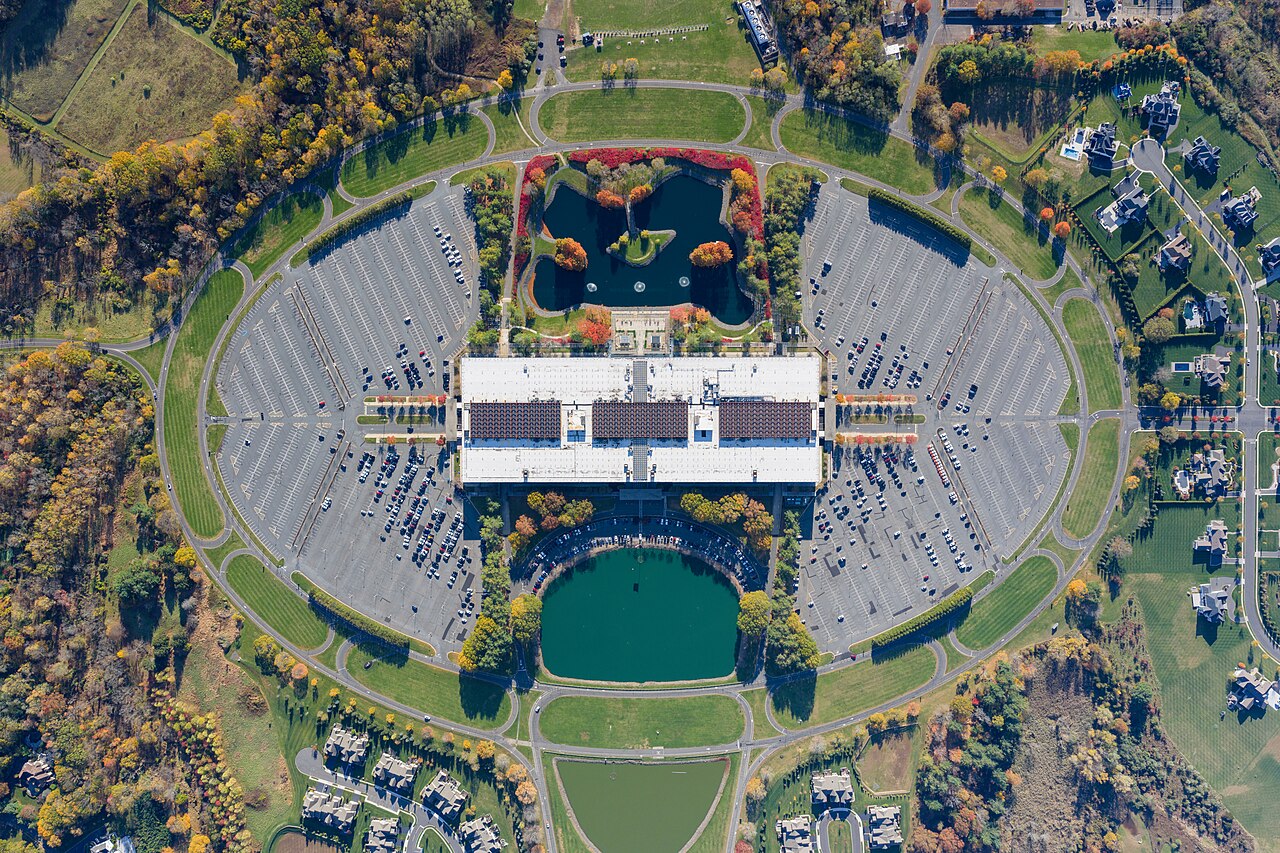
The 20th century’s greatest industrial research lab, where the transistor, information theory, the laser, Unix, and C were invented in one long golden age.
Bell Labs was the improbable case of a monopoly’s compliance obligation becoming a civilization-scale engine of discovery. Chartered in 1925 to keep AT&T’s telephone network working reliably and universally, its “Idea Factory” at Murray Hill, New Jersey converted an engineering mandate into a nearly unbounded license for pure and applied science.
Between the 1930s and the 1970s it produced the point-contact transistor (Bardeen and Brattain, 1947, under Shockley), Claude Shannon’s information theory (1948), the laser (Schawlow and Townes), the first practical silicon solar cell, the charge-coupled device, the Unix operating system and the C language (Thompson and Ritchie), and the accidental discovery of the cosmic microwave background (Penzias and Wilson).
Nine Nobel Prizes and five Turing Awards later, it stands as the paradigm case of an institution-backed scenius: a place where mathematicians, physicists, chemists, and engineers were housed together, funded indefinitely by regulated telephone revenue, and left remarkably free to follow ideas from abstraction to hardware.
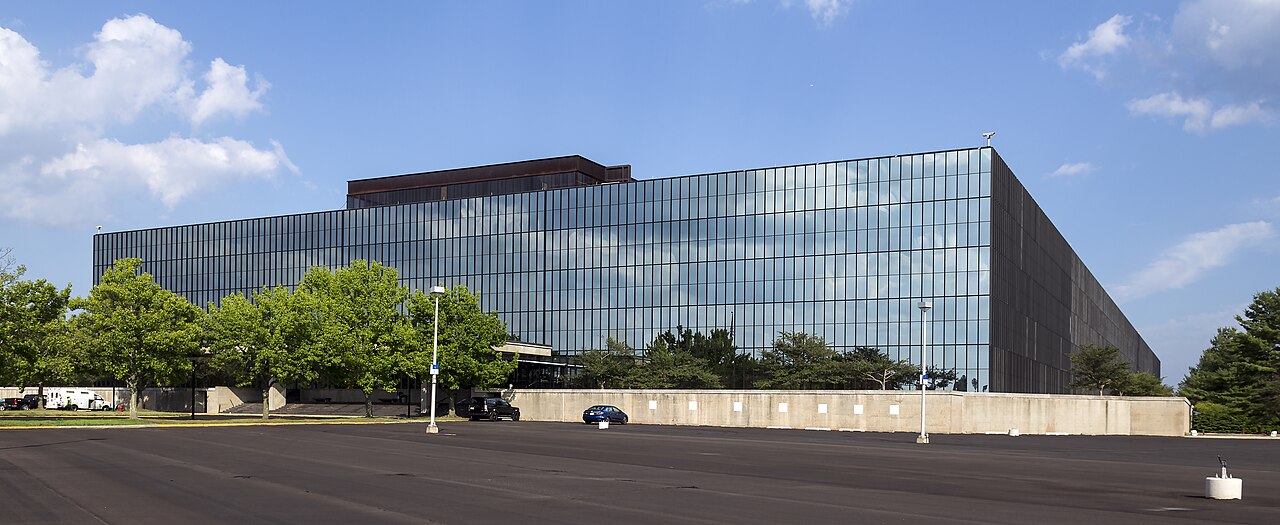
Give brilliant people freedom, time, superb instruments, and one another, and let curiosity-driven basic research pay off unpredictably but enormously over decades.
The talent magnetNear-total intellectual freedom plus the world’s best equipment and colleagues was a talent magnet that compounded — and the culture of the open door, the obligation to help any colleague, turned individual genius into collective output.
The patient subsidyMonopoly profits, funded by every phone bill, removed short-term pressure, letting people chase fundamentals for years. A corporate lab was run with academic freedom; its genius rested on a business model — regulated monopoly — that made patient basic research rational. When that model died, so did the golden age.
Scenius signature — concentration of the best minds and instruments with freedom and time; Kevin Kelly’s ingredients maximally funded, inside one endlessly generative building.
Invented or co-invented the substrate of the digital age — and set the template for the great corporate research lab.