The banner
Arte Povera was less a style than a polemical banner raised by a single critic over a loose, combative circle of artists working in Turin, Rome, Milan, and Genoa between 1967 and 1972. Germano Celant’s “guerrilla” rhetoric gave a shared name to artists — Kounellis, the Merzes, Pistoletto, Anselmo, Boetti, Fabro, Pascali, Penone, Zorio, Calzolari, Paolini, Prini — who had independently begun using soil, rags, coal, wax, twigs, live animals, and neon to short-circuit the commodity logic of the gallery and the slick industrial materials of American Pop and Minimalism.
The result was an art of process, entropy, and raw matter staged as a philosophical and political provocation against “bourgeois rationality” at the exact moment Italy’s postwar boom was souring into 1968.
The unifying principle · a material ethic
Poor, ordinary, living matter
Art should work with poor, ordinary, and living materials and elemental processes, resisting the technological slickness and commodification of the consumer age.
Why it caught — the memetic charge
Using worthless, everyday matter felt like a moral and political refusal of the commodity and the spectacle.
The Italian economic-miracle context made the anti-industrial stance pointed and urgent — the gallery filled with soil at the precise hour the factories filled with plastic.
And the critic Celant’s framing gave scattered artists a shared banner and international reach: one word, printed in Flash Art, turned a scatter of studios into a front.
Recurring motifs
What kept
returning
- poor, humble, and living materials
- the raw natural element against industrial slickness
- the gesture and process over the finished commodity
- earth, fire, plants, animals in the gallery
The circle
Key
figures
Mediums — installation · raw materials · the exhibition · the critical essay.
The scenius engine
What pulled it together — and apart
Convergent engines (+)
Divergent engines (−)
Internal dynamics
A critic-defined grouping of independent Italian artists sharing an attitude to materials more than a program, cohering through exhibitions and Celant’s advocacy.
Plates · documentation & homage
Matter, staged
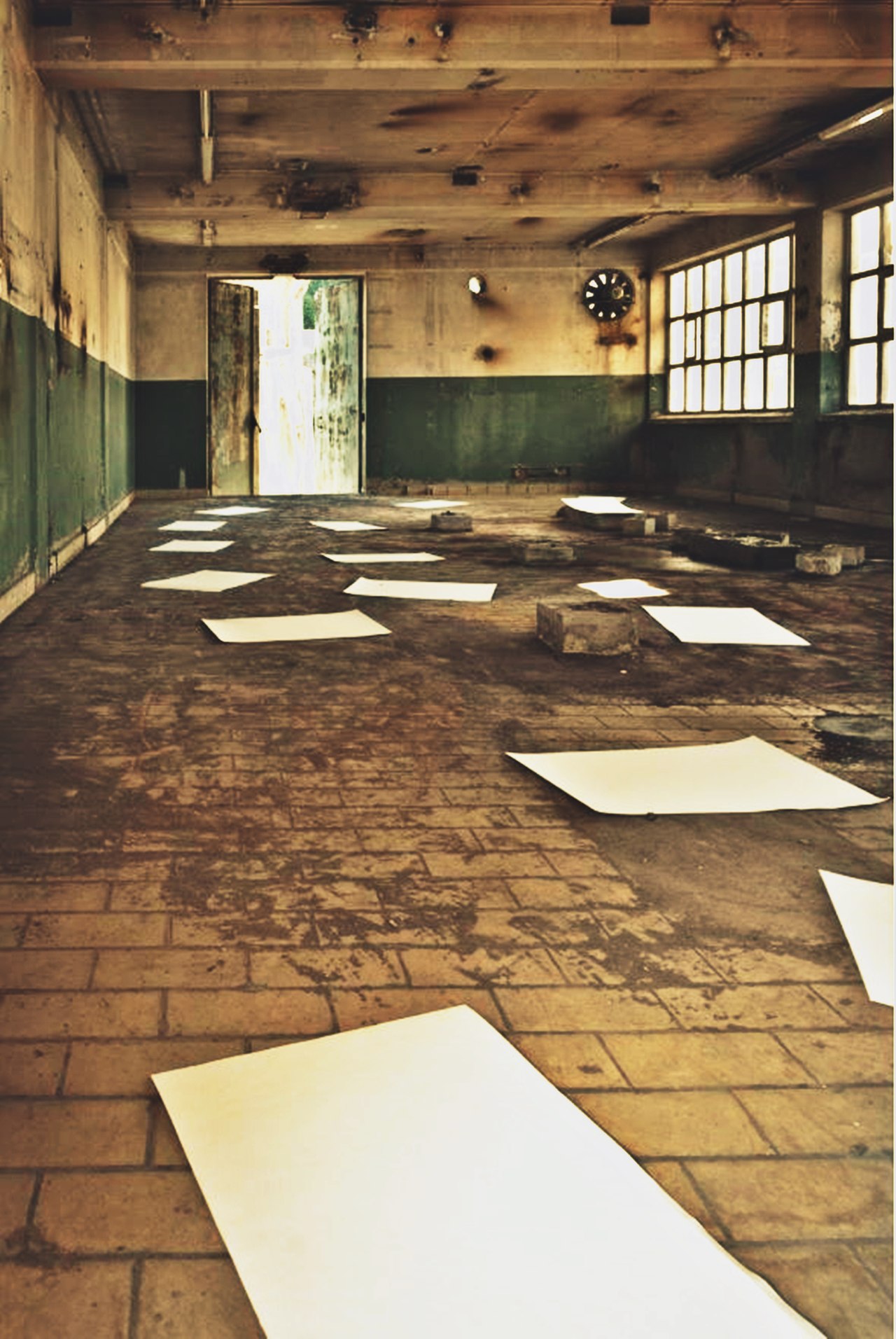
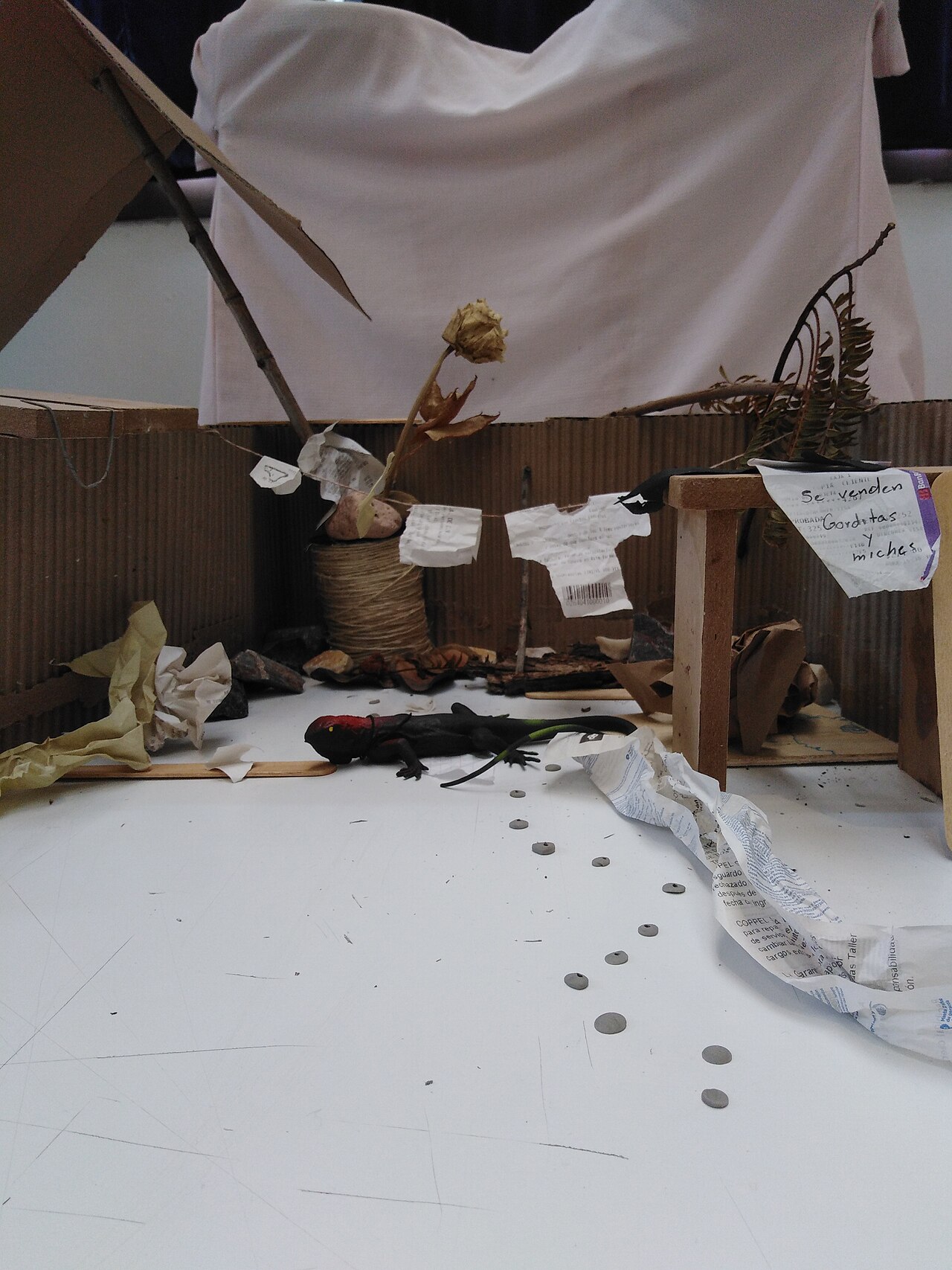
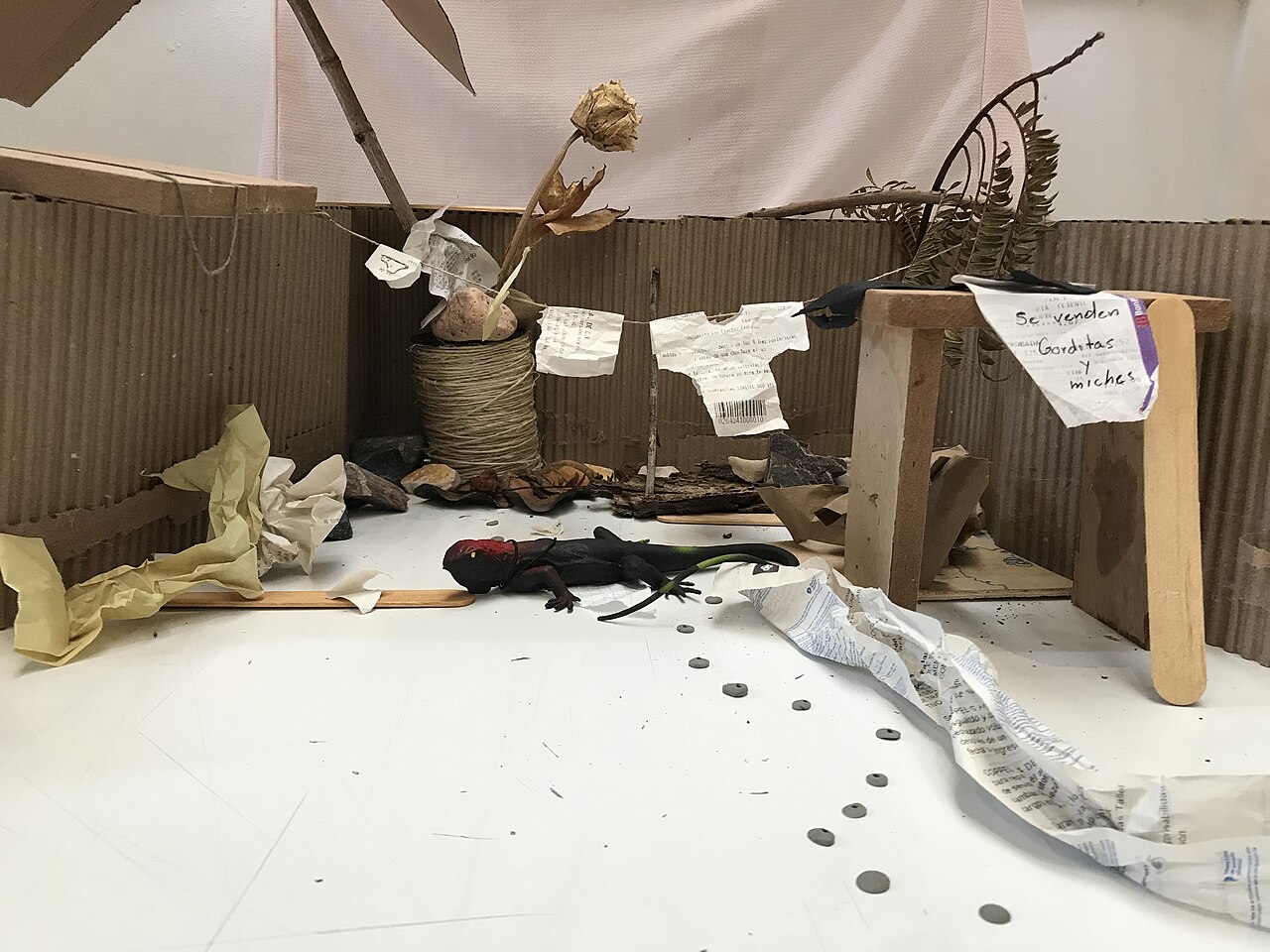
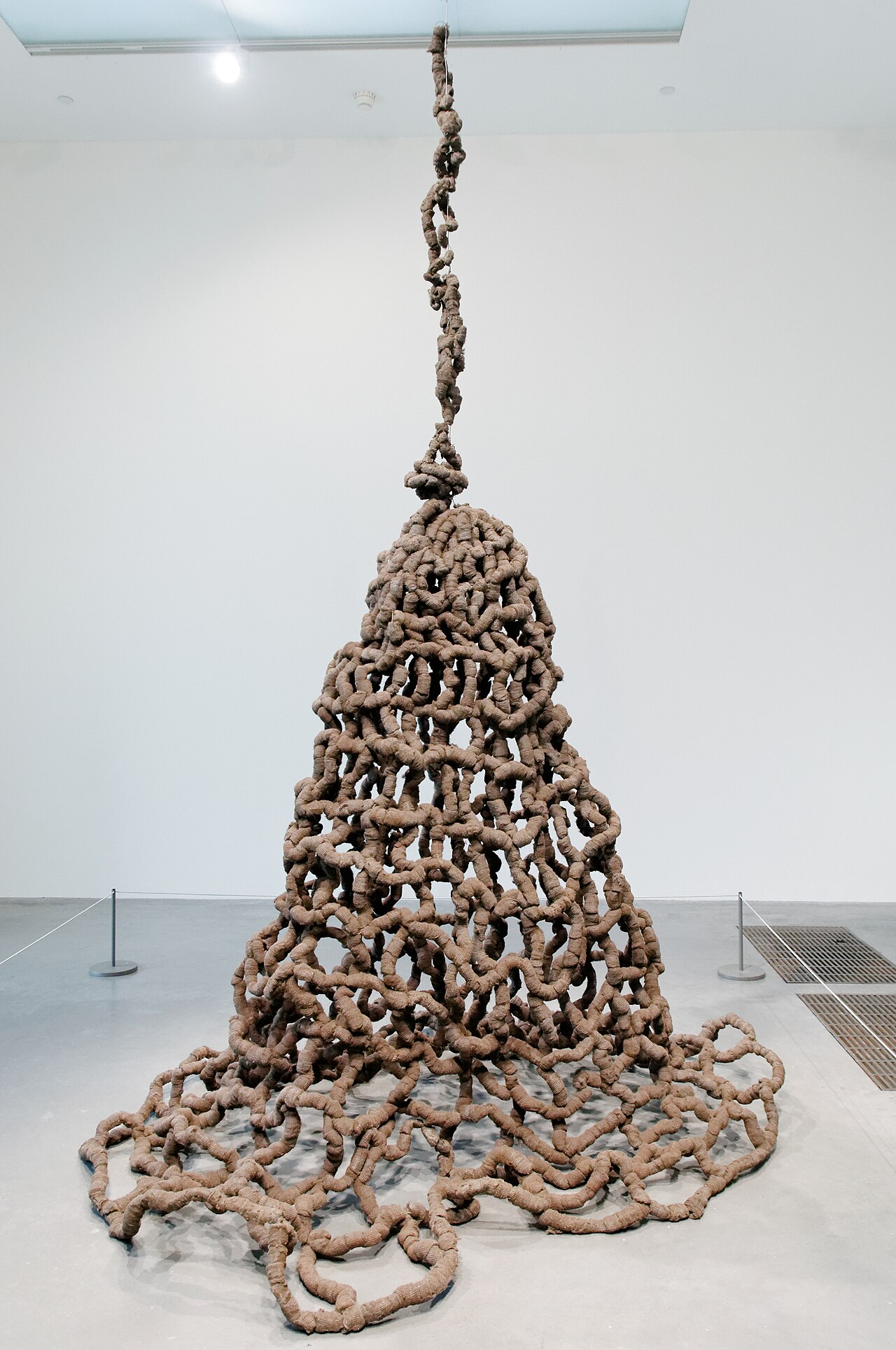
Contemporary works in the Arte Povera spirit — waste, organic and inorganic matter, and found material assembled as installation. Every image is credited to its maker below.




_(10351813585).jpg)
Impact on the wider world
One of the most influential postwar movements — it reshaped installation and post-minimal art worldwide and permanently legitimized humble and living materials.
Fate
Faded as a movement by the mid-1970s but absorbed into the mainstream of contemporary installation practice, its artists now canonical.
Scenius signature
A critic’s frame plus a shared material ethic turning strong individualists into an internationally potent movement.