← the scenic garden
ARCHIGRAM — a magazine, not a firm LONDON · 1961–1974 NO BUILDINGS RAISED ISSUES 1–9½

ARCHIGRAM

City & Structure morphology: network pop-tech avant-garde the zine · the collage · the unbuilt project

A pop-tech avant-garde that drew plug-in, walking, & instant cities — architecture as comic-book, gadget, & provocation.

01 the dispatch

Six young
architects.
One magazine.

Never realizing a single building as a group, they broadcast the future from a stapled zine.

Archigram (1961–1974) was a London-based sextet of young architects — Peter Cook, Warren Chalk, Dennis Crompton, David Greene, Ron Herron, and Michael Webb — who used a self-published, comic-book-styled magazine rather than built commissions to broadcast a vision of architecture as consumable, mobile, and disposable technology. They produced megastructural fantasies — Cook's Plug-In City (1964), Herron's Walking City (1964), Cook's Instant City (1968–70) — that treated the city as a plug-in, obsolescing, pop-cultural machine rather than a monument.
02 parts catalogue

The recurring gadgets

// UNIT A

The Plug-In City and the Walking City

// UNIT B

The Instant City airdropped by balloon

// UNIT C

Expendability & consumer choice in architecture

// UNIT D

Gadgetry, capsules, and pop graphics

// UNIT E

The building as consumer product, not monument

03 why it spread

Memetic forces

Zap!Projects designed never to be built could be pure, joyful, and provocative — freed from clients, they spread as images.
Pop!The comic-book zine format made avant-garde architecture fun and collectible.
Blast-off!The optimism of the space age gave a generation permission to imagine radically.
the one rule

Architecture should be light, expendable, responsive, and fun — a consumer technology serving mobile, changing life, not a heavy permanent monument to institutions.

04 the circuit

What powered it / what pulled the plug

Plug In

convergent engines
  • The self-published Archigram magazine
  • A shared pop-tech-optimist sensibility
  • A tight London group at the AA

Unplug

divergent engines
  • An image-movement — it dispersed once members took academic and practice posts
  • The 1970s oil-crisis mood killing techno-optimism
  • The gap between provocative drawing and buildable practice
05 internal wiring

A loose crew

A loose collaborative of friends producing a magazine; no doctrine to enforce, held together by shared humor and the publication until careers pulled them apart.

06 downstream

What it rewired

Reoriented architecture toward flexibility, technology, and image; directly seeded High-Tech architecture (Rogers, Piano's Pompidou) and the whole tradition of paper / visionary architecture as legitimate practice.

07 the masthead

Bylines

Peter CookPlug-In City · Instant City
Ron HerronWalking City
Warren Chalkcapsules · editor
David Greenepoet of the group

The full sextet also counted Dennis Crompton and Michael Webb — engineers of the magazine's electric layouts.

08 channels

Mediums

The zine (Archigram) The collage / drawing The project (unbuilt) The exhibition
09 deep patterns

Archetypes

The Ideal City
Prometheus
10 the signature

A self-published organ plus a shared sensibility turning a handful of young architects into a global provocation — without ever raising a building.

11 found material

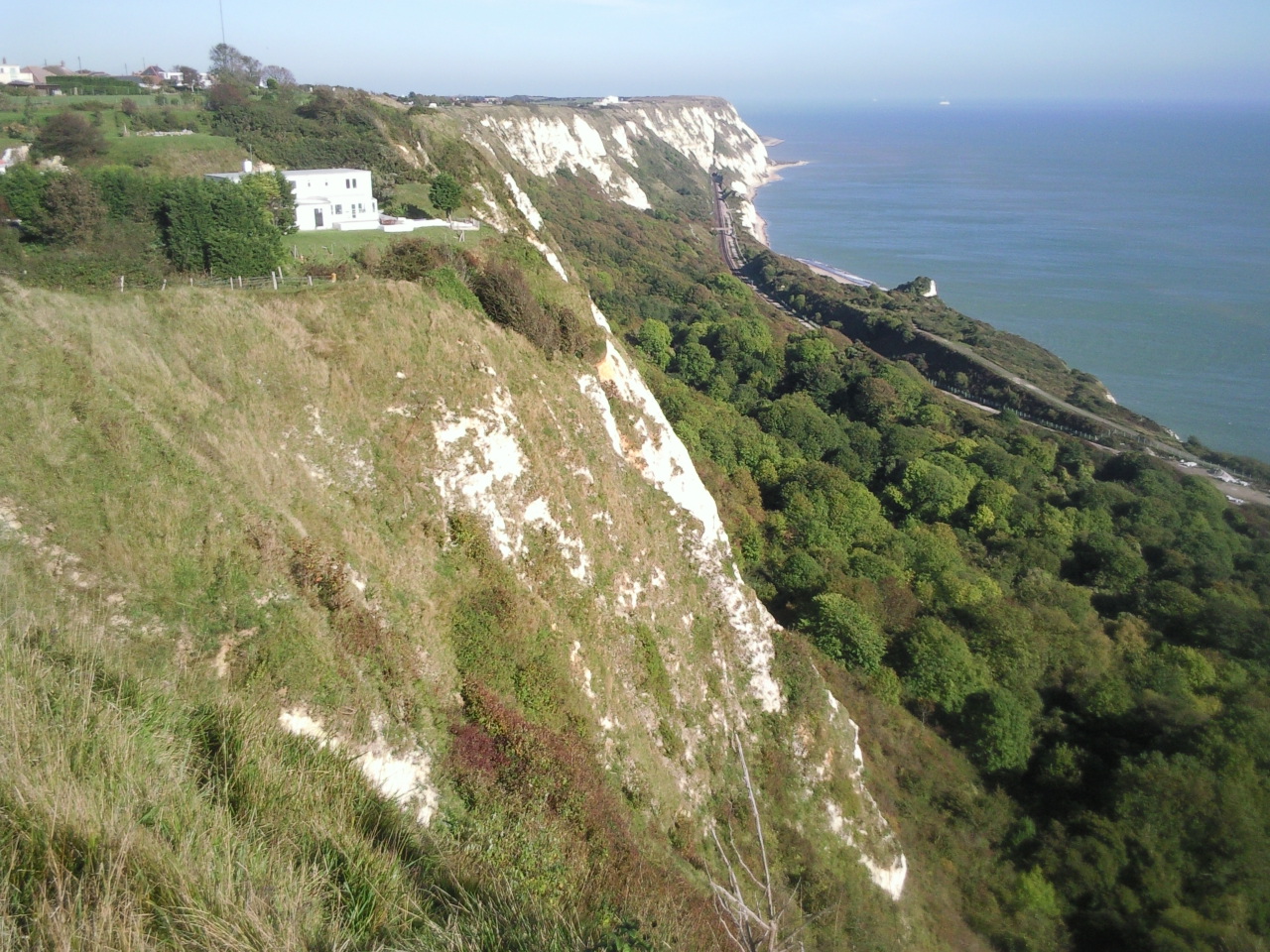
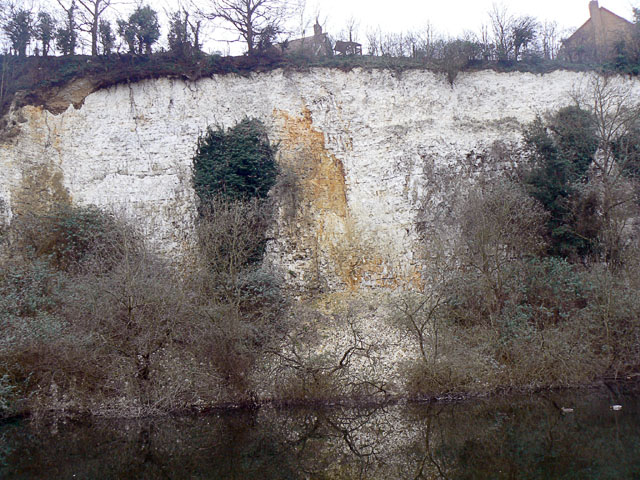
Cut-outs: the Warren, in chalk

Screenprint duotone applied to found photographs — the collagist's raw stock. A wink at member Warren Chalk: here, the chalk cliffs of Folkestone Warren, treated as if clipped and pasted into an issue.

Chalk cliffs rising above Folkestone Warren, rendered in a pop-art duotone screen.
Chalk cliffs above Folkestone Warren Photo: Marathon · CC BY-SA 2.0 · source ↗
A chalk cliff face at Warren Gorge, rendered in a pop-art duotone screen.
Chalk Cliff at Warren Gorge Photo: John Rostron · CC BY-SA 2.0 · source ↗
last transmission

Dispersed into academia and practice; its images became canonical and its ethos flowed into High-Tech and parametric design.

colophon & sources

Coded from public web sources for the Scenic Garden's map of generative subcultures. Prose is compressed analysis, not encyclopedia.

PROVENANCE: imported
CONFIDENCE: medium
NOTE: Coded from public web sources (Wikipedia-led); not yet independently verified.